Tianbo publishes company updates and industry analysis on safety glazing, energy codes and regulation-driven demand. Recent articles cover fire-resistant glass in design, laminated glass growth, triple glazing and the 2026 tempered glass safety specifications. Follow our news for buying guidance, and contact our factory when you are ready to source.
It is no longer aesthetics alone. Stricter energy codes, mandatory safety standards, and the demand for high-performance building envelopes are reshaping how the industry specifies glass—and manufacturers like Tianbo are engineering solutions to meet that shift.
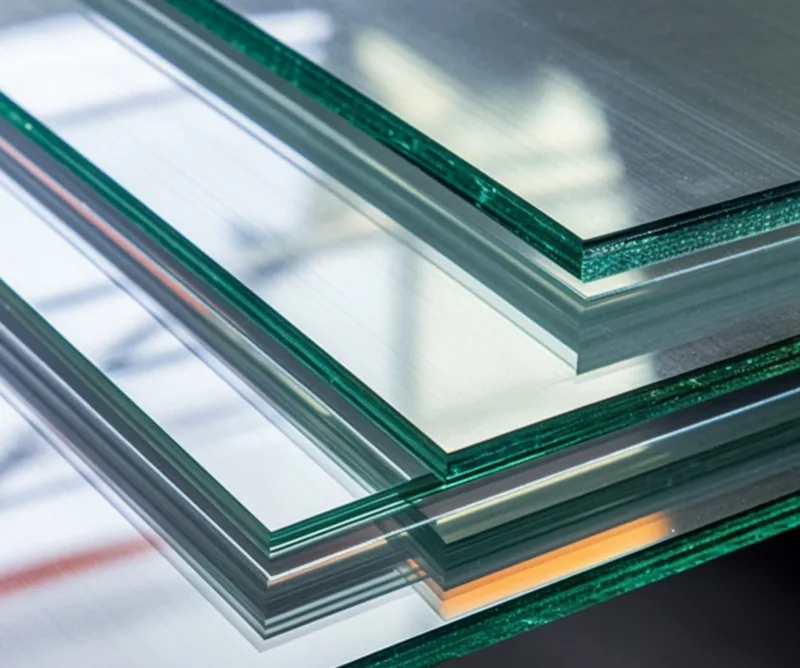
Historically viewed as a strict compliance cost, fire-resistant glass has evolved into a powerful architectural design advantage. Modern fire-rated glazing now enables seamless visual continuity, maximizes natural light, and meets rigorous life-safety standards without compromising aesthetic vision.
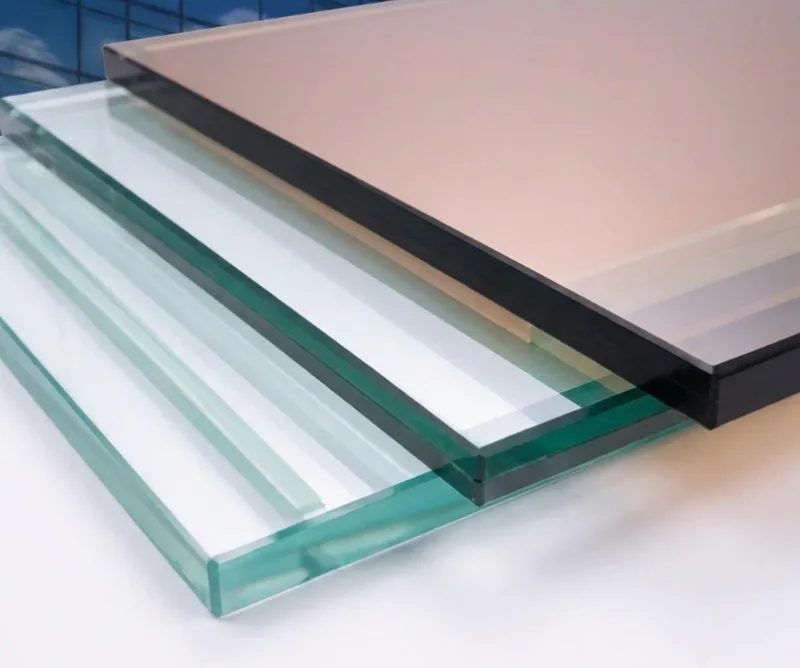
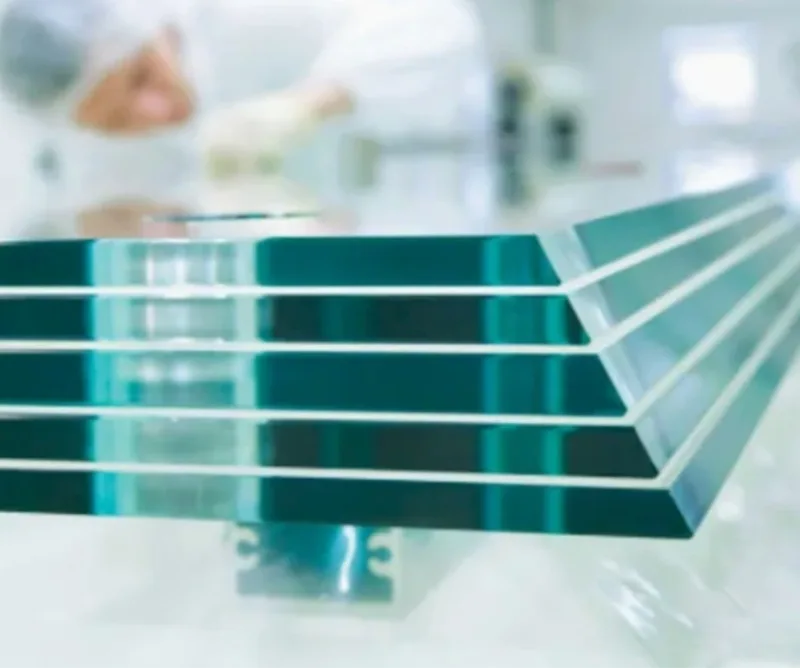
Once confined to automotive windshields, laminated glass has emerged as a critical material for modern skyscrapers. Driven by increasingly stringent building regulations and a demand for high-performance safety glazing, its role in commercial architecture is expanding faster than ever.
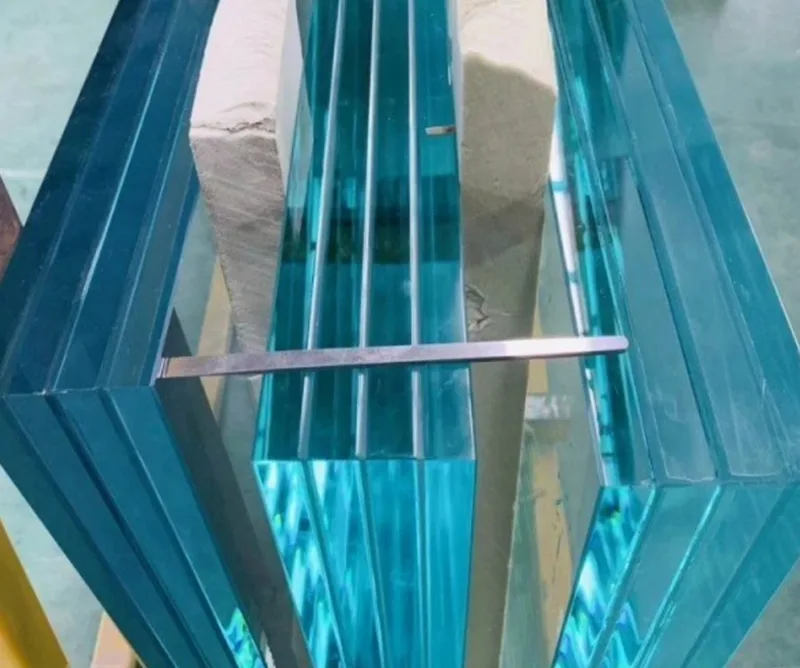
Triple glazing has reached a global tipping point. As energy codes tighten and net-zero building targets become mandatory, the demand for high-performance insulated glass units (IGUs) is rapidly rewriting the rules of architectural design.
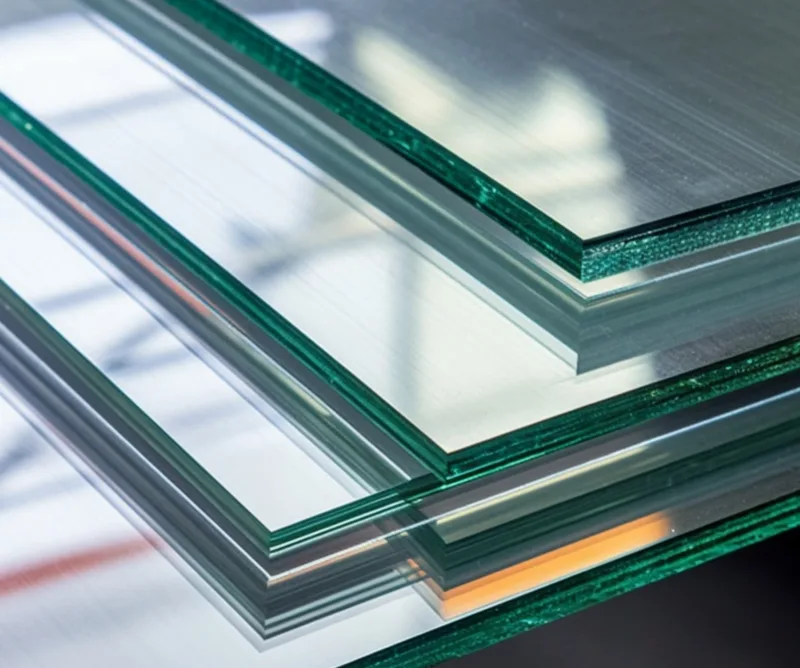
In 2026, tempered glass is no longer just an option for high-risk areas—it has become the default safety specification across global commercial construction. Driven by stricter building codes, the demand for larger glass facades, and the need for absolute occupant protection, architects and contractors are standardizing on tempered glass for doors, windows, partitions, and curtain walls.
We use cookies to offer you a better browsing experience, analyze site traffic and personalize content. By using this site, you agree to our use of cookies. Privacy Policy

 2026-11-09
 2026-11-05
 2026-11-05
 2026-11-05
 2026-11-05