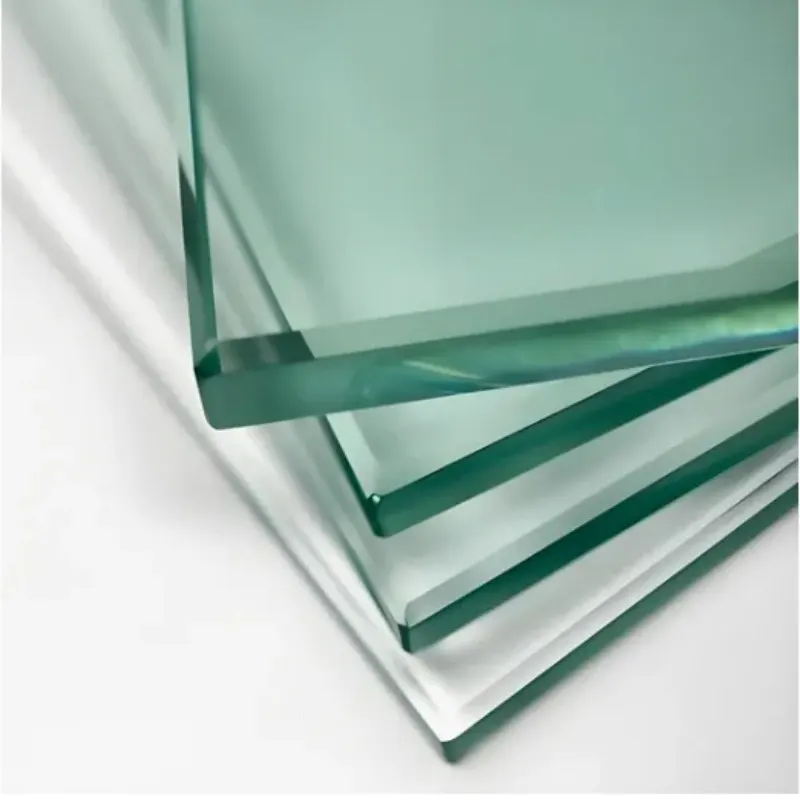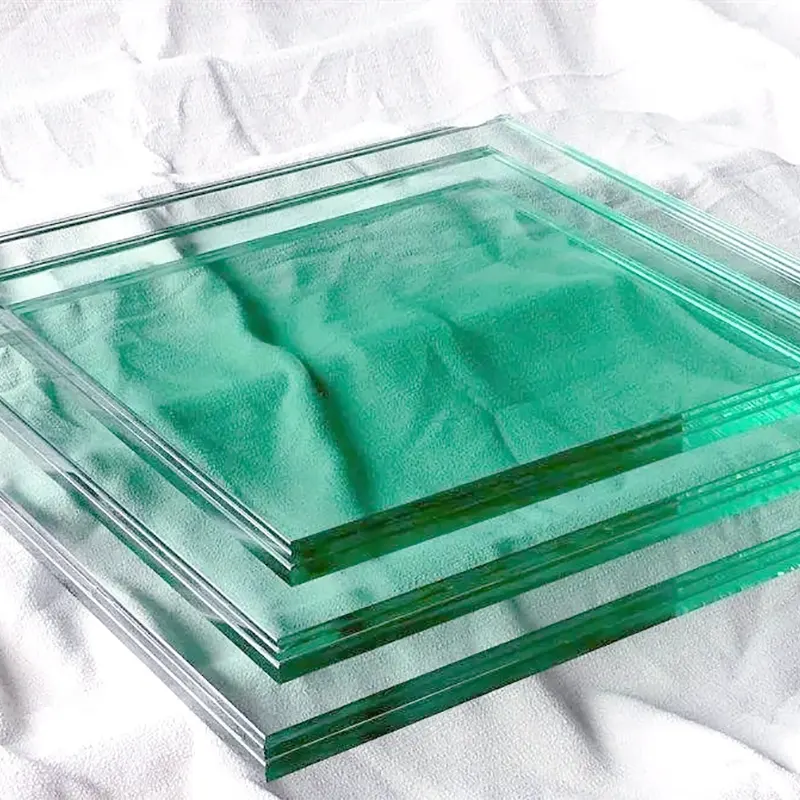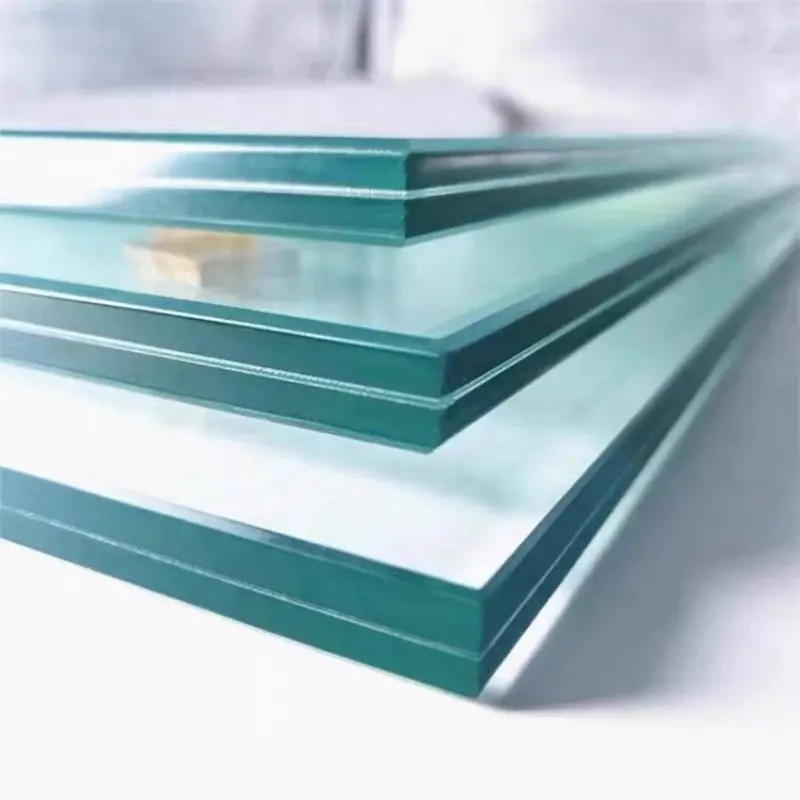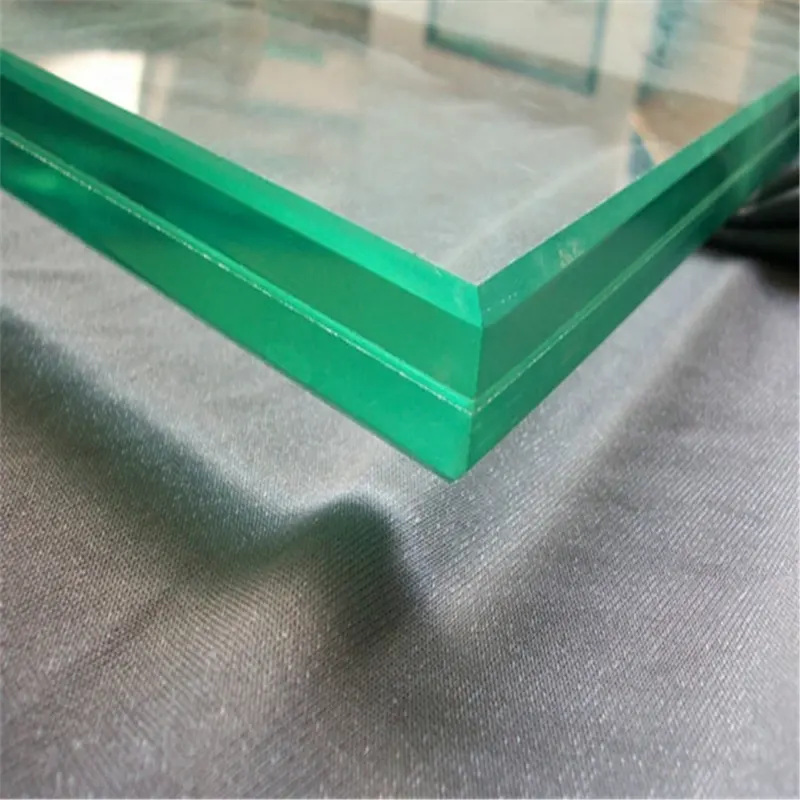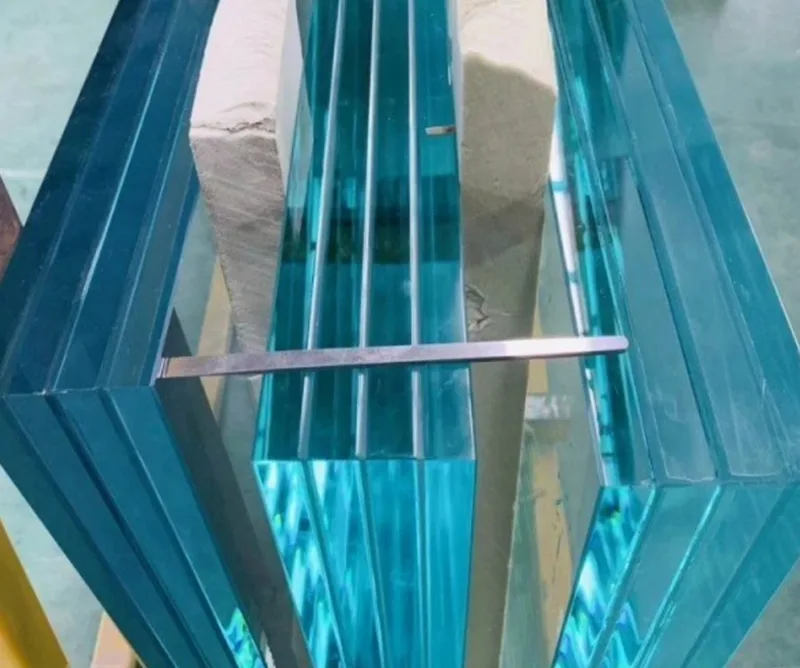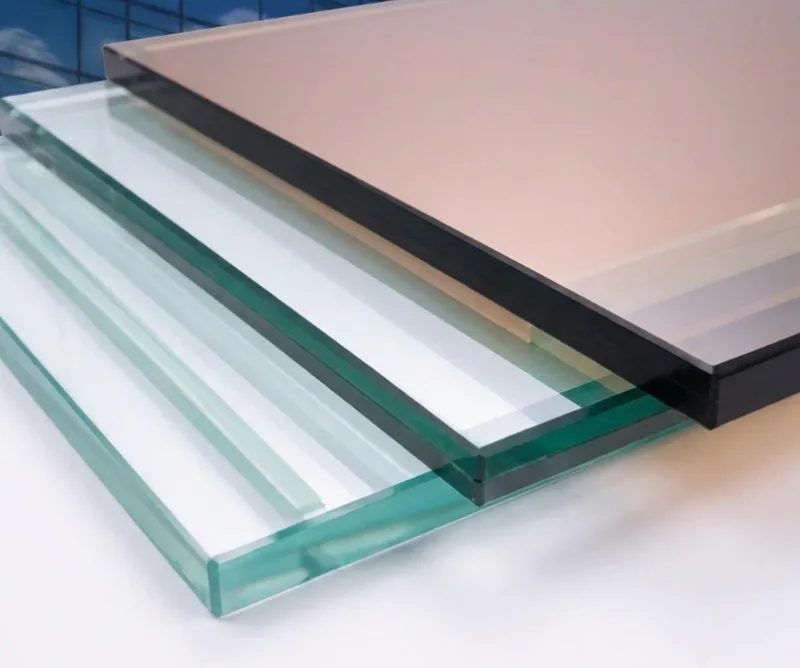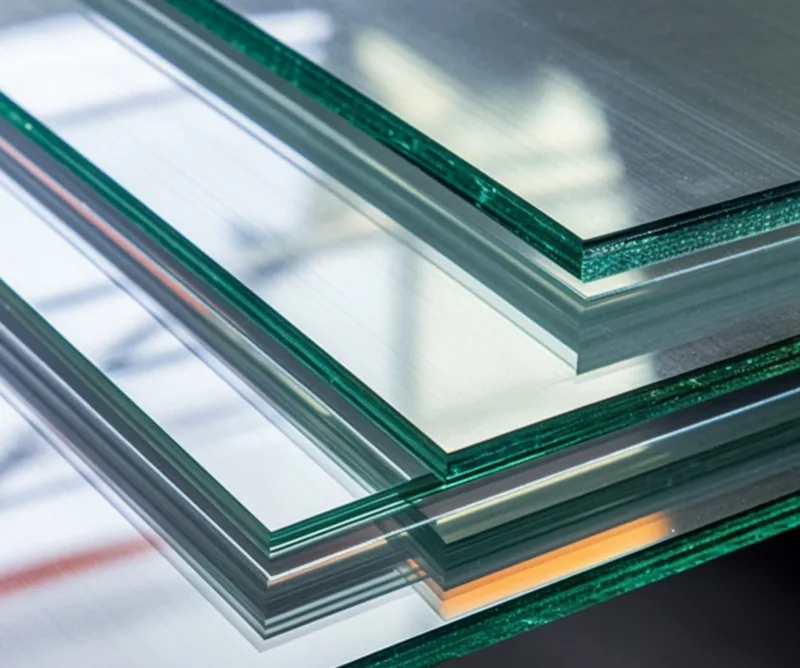

Once confined to automotive windshields, laminated glass has emerged as a critical material for modern skyscrapers. Driven by increasingly stringent building regulations and a demand for high-performance safety glazing, its role in commercial architecture is expanding faster than ever.
In this article
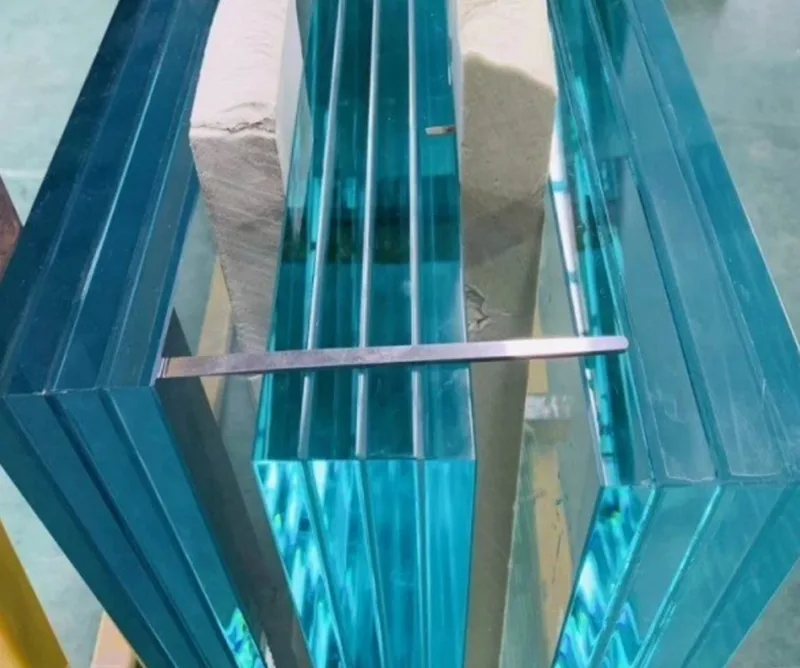
The Evolution of Safety Glazing
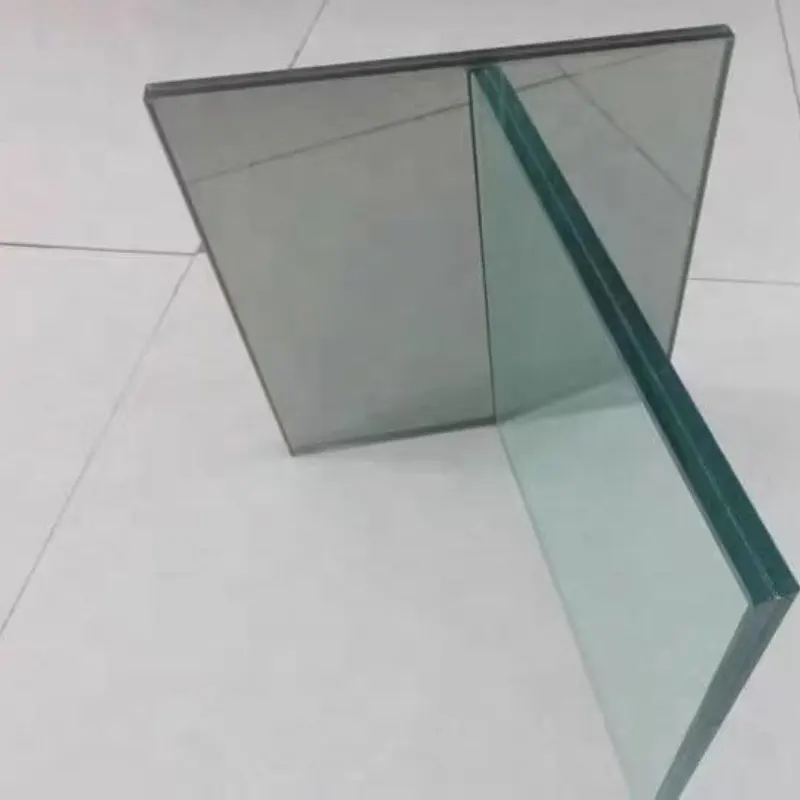
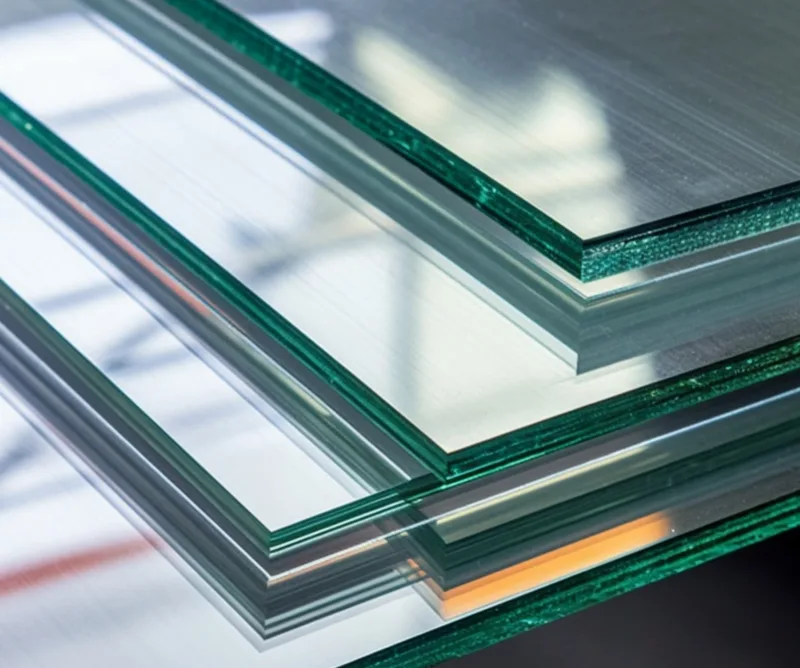
For decades, laminated glass was primarily associated with the automotive industry, utilized in windshields to prevent shattering upon impact. The core technology—bonding two or more glass panes with a durable interlayer under high heat and pressure—proved so effective at holding fragments together that the architectural world quickly took notice.
Today, as cities build higher and architectural envelopes become more complex, laminated glass has become an indispensable component of high-rise construction, overhead glazing, and glass balustrades.
Regulation-Driven Demand in Construction
The rapid growth of laminated glass in the construction sector is largely driven by stricter building codes and safety regulations worldwide. Modern building standards increasingly mandate the use of safety glazing in areas prone to human impact or where broken glass could fall from a height.
"The primary driver for architectural laminated glass is life safety—the tough interlayer ensures that even if the glass breaks, the fragments remain firmly bonded in place."
Whether it is for external facades, skylights, or internal partitions, architects and developers are turning to laminated glass to ensure compliance while maintaining the transparent, light-filled aesthetics demanded by modern clients.
Beyond Safety: Performance Advantages
While safety is the primary catalyst, laminated glass offers a host of secondary benefits that make it a highly versatile building material:
Acoustic Insulation
The PVB or SGP interlayer acts as an excellent sound-dampening layer. This makes laminated glass ideal for buildings located in noisy urban environments, such as airports or busy city centers.
Security and Resistance
When combined with multiple layers and thicker interlayers, laminated glass provides enhanced resistance against forced entry, smash-and-grab attempts, and even ballistic threats.
UV Protection
The interlayer effectively blocks up to 99% of harmful ultraviolet radiation, protecting interior furnishings, artwork, and flooring from fading and degradation.
Integration with Other Glass Systems
To meet complex architectural demands, laminated glass is rarely used alone. At Tianbo, we engineer laminated composites that integrate seamlessly with other glass types to maximize performance.
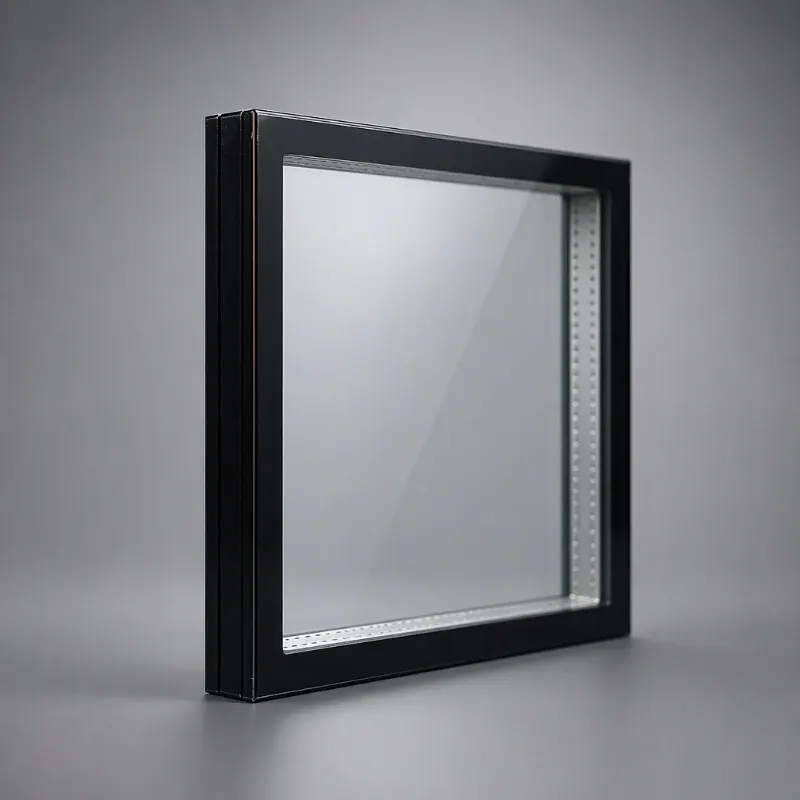
By using tempered glass as the base panes, the laminated unit achieves significantly higher mechanical strength and thermal stability. When assembled into an insulated glass unit, it delivers both critical safety and excellent thermal insulation, making it the ultimate choice for high-rise curtain walls and energy-efficient facades.
Explore our complete range of architectural glass products to find the right combination for your next project.
Why is laminated glass preferred for skylights and overhead glazing?
Because the interlayer holds the shattered fragments in place even after breakage, preventing dangerous shards from falling and causing injury to people below. It is a critical safety requirement for overhead applications.
What is the difference between PVB and SGP interlayers?
PVB (Polyvinyl Butyral) is the standard interlayer offering excellent safety and acoustic performance. SGP (SentryGlas Plus) is significantly stronger and stiffer, often used for structural applications, hurricane resistance, and high-security glazing.
Can laminated glass be customized for specific projects?
Yes. We support full customization regarding dimensions, interlayer thickness, color, and edge finishes. Please send your drawings or specifications to our team for confirmation.
How do you ensure the glass arrives safely during ocean shipping?
We use heavy-duty wooden crates with foam padding and interlayer protection. Our packaging is optimized for long-distance sea freight to reduce the risk of damage during transit.
Sourcing High-Performance Laminated Glass?
With a 30,000 m² factory and 3C-certified quality control, Tianbo delivers reliable, factory-direct solutions for global projects.