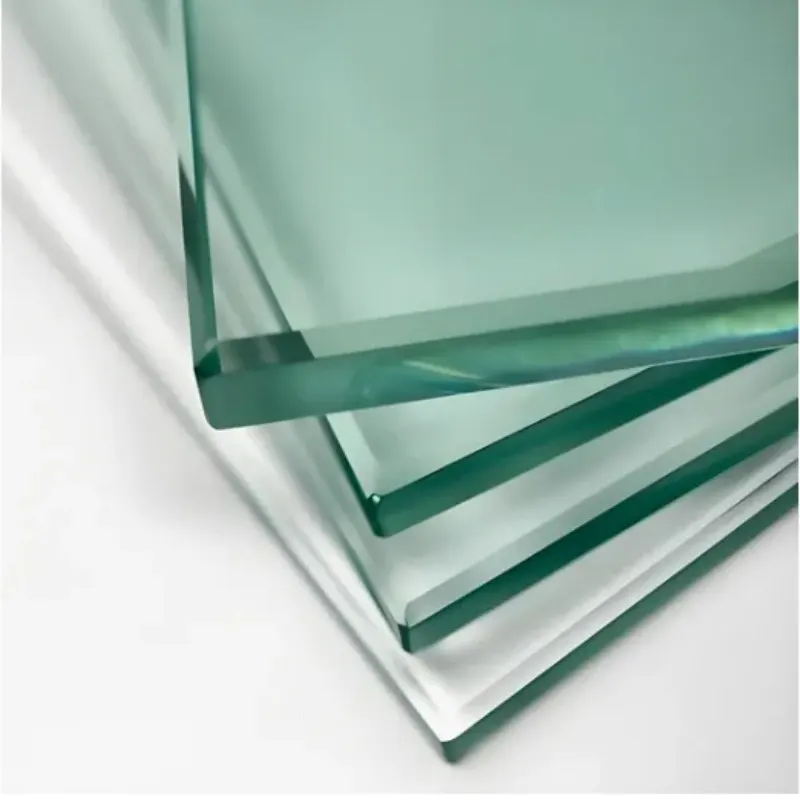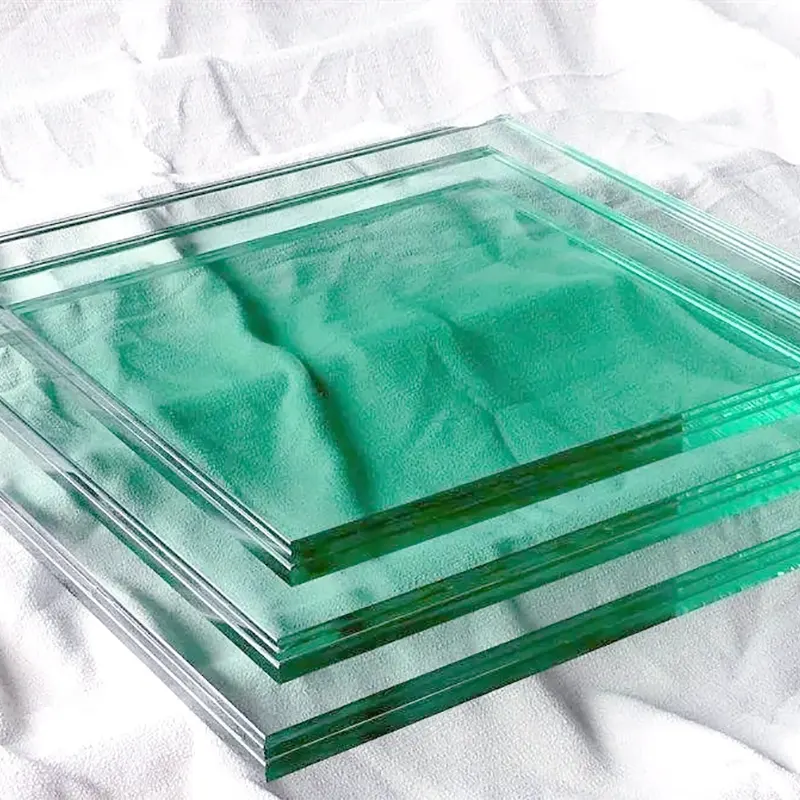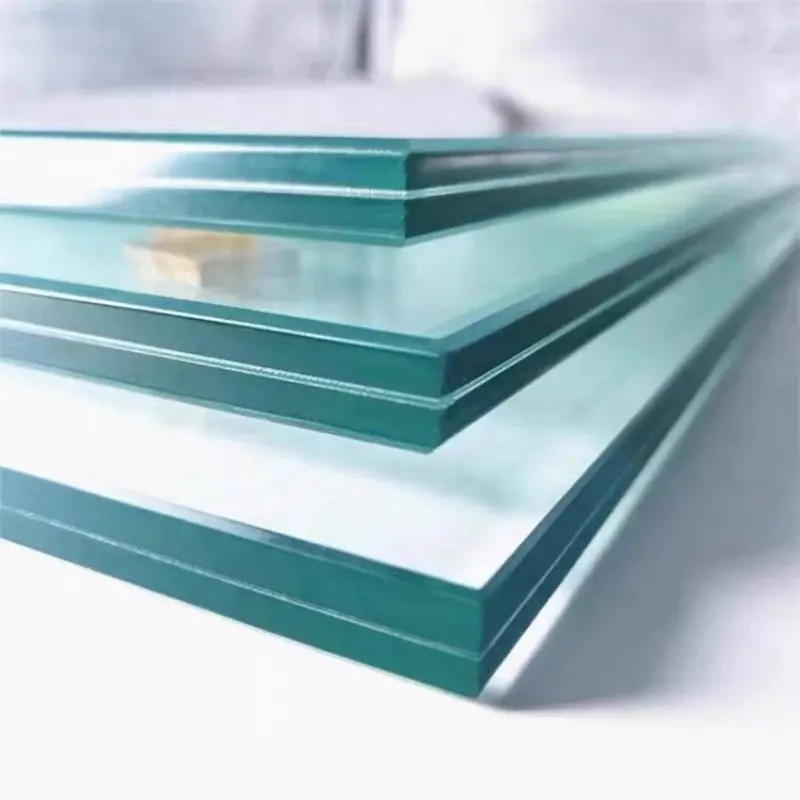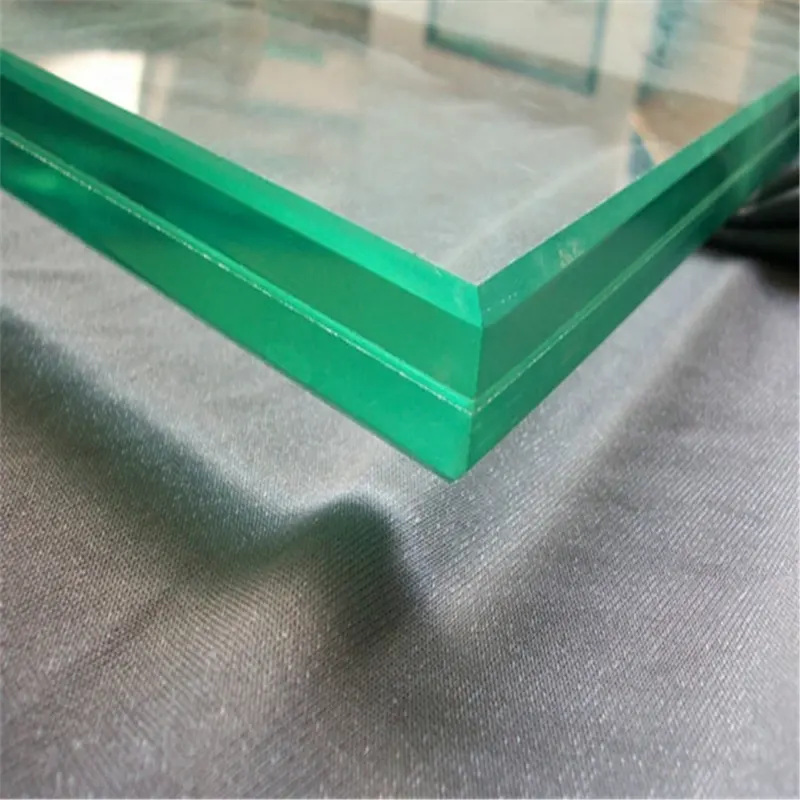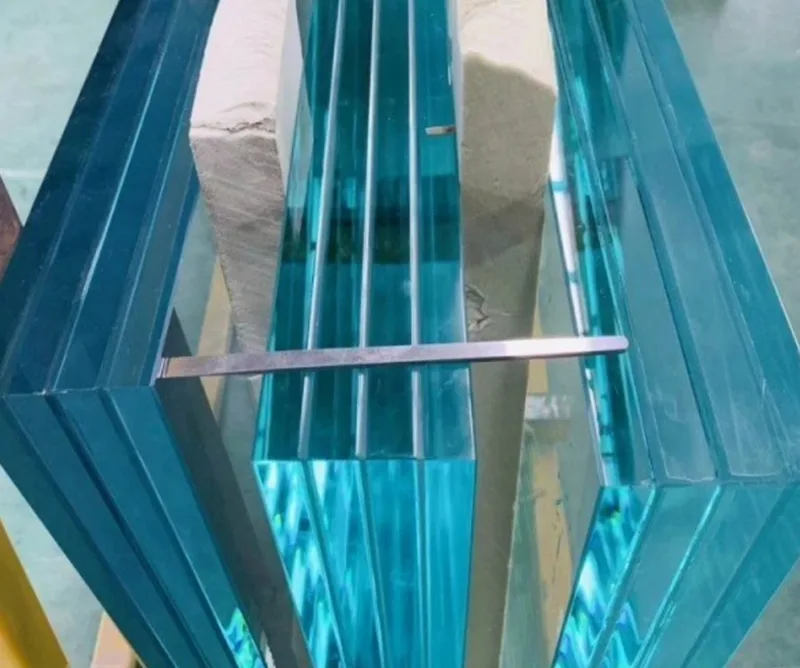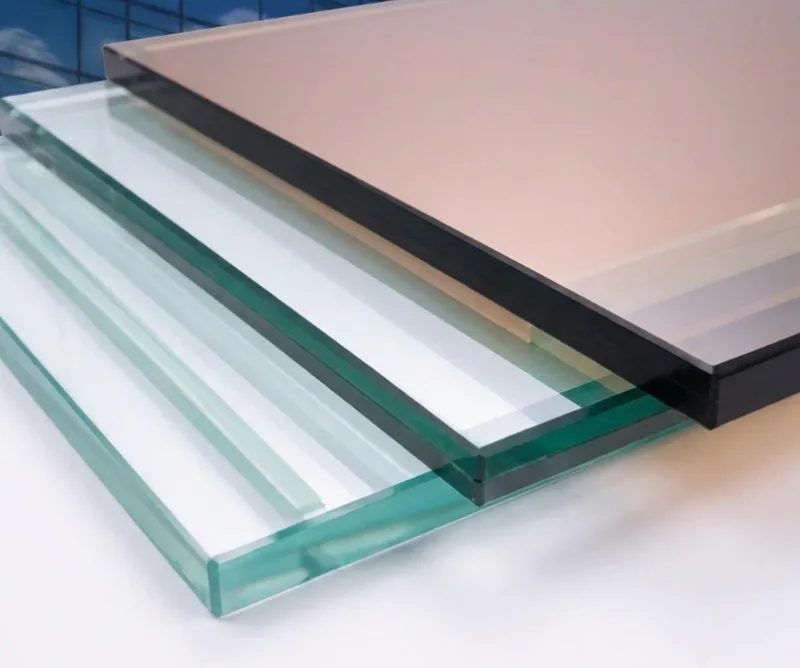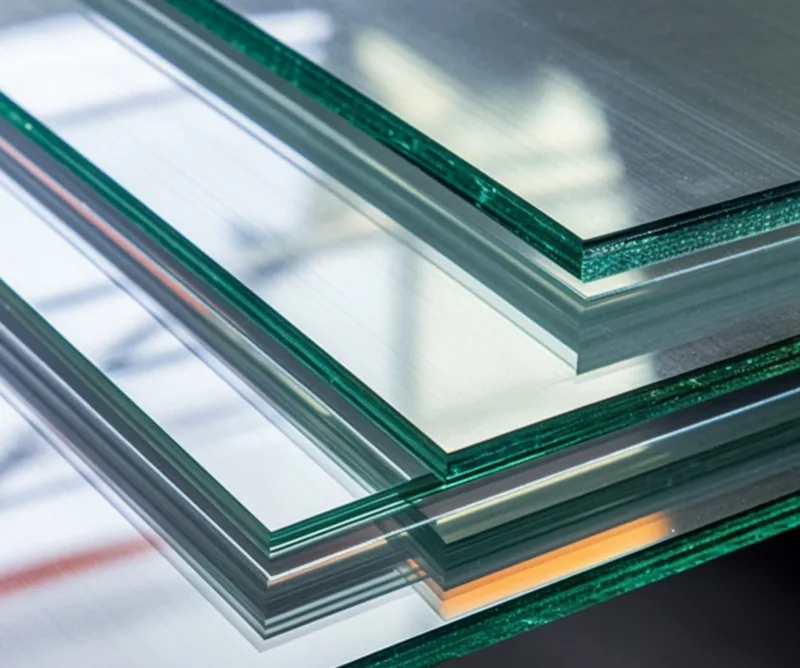
In 2026, tempered glass is no longer just an option for high-risk areas—it has become the default safety specification across global commercial construction. Driven by stricter building codes, the demand for larger glass facades, and the need for absolute occupant protection, architects and contractors are standardizing on tempered glass for doors, windows, partitions, and curtain walls.
01 The 2026 Landscape: Shifting Safety Standards 02 Beyond Impact: The Core Physics 03 Navigating Stricter Building Codes 04 2026 Commercial Construction Trends 05 Integration with Facade Systems 06 Life-Cycle and Sustainability 07 Tianbo's Manufacturing Edge 08 Frequently Asked Questions
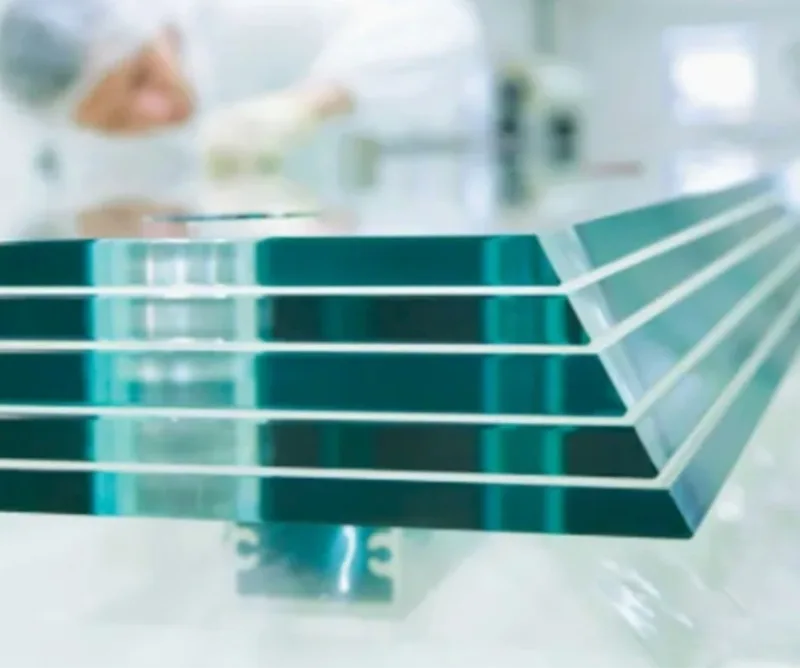
01 The 2026 Landscape: Shifting Safety Standards
For decades, the construction industry approached safety glass on a case-by-case basis. Today, the landscape has fundamentally changed. As commercial spaces become more transparent, interconnected, and densely populated, the risk of human impact on glass surfaces has increased dramatically.
By 2026, building codes worldwide are aligning to demand higher safety baselines. Tempered glass, with its ability to shatter into harmless granular particles rather than lethal shards, has moved from a niche specification to the default standard for architectural safety.
02 Beyond Impact: The Core Physics
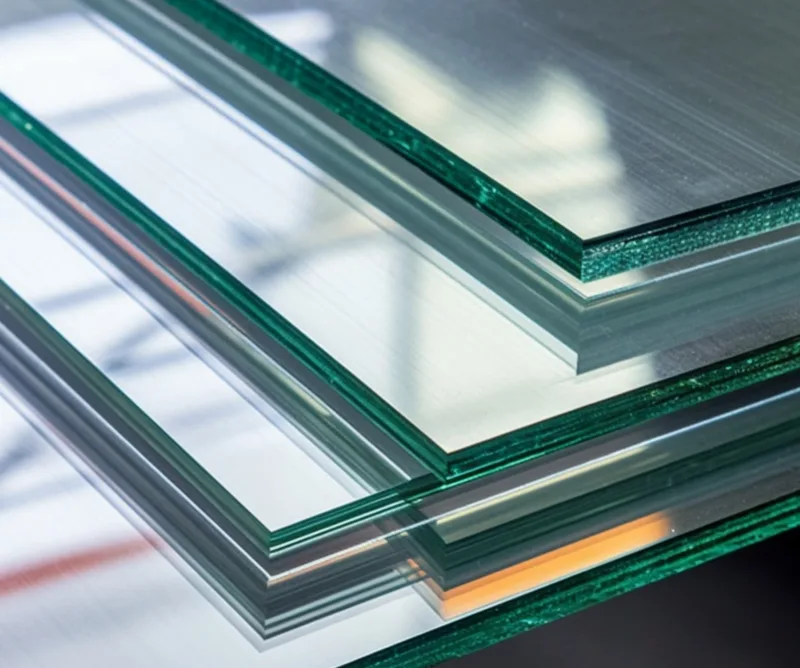
The dominance of tempered glass in 2026 is rooted in its exceptional physical properties. Through a process of extreme heating and rapid cooling, the outer surfaces of the glass are locked in a state of high compression, while the interior remains in tension.
This structural balance results in a material that is approximately four to five times stronger than annealed glass. It can withstand immense wind loads, thermal stress from extreme weather, and accidental impacts, making it indispensable for modern high-rise construction.
03 Navigating Stricter Building Codes
Regulatory bodies are responding to public safety concerns with increasingly stringent requirements. The International Building Code (IBC) and similar frameworks globally now mandate safety glazing in areas prone to human contact—such as floor-to-ceiling windows, glass doors, and interior partitions.
To ensure compliance and avoid costly redesigns, specifiers are choosing tempered glass as their default specification. Its certified safety performance eliminates the guesswork and guarantees adherence to evolving life-safety regulations.
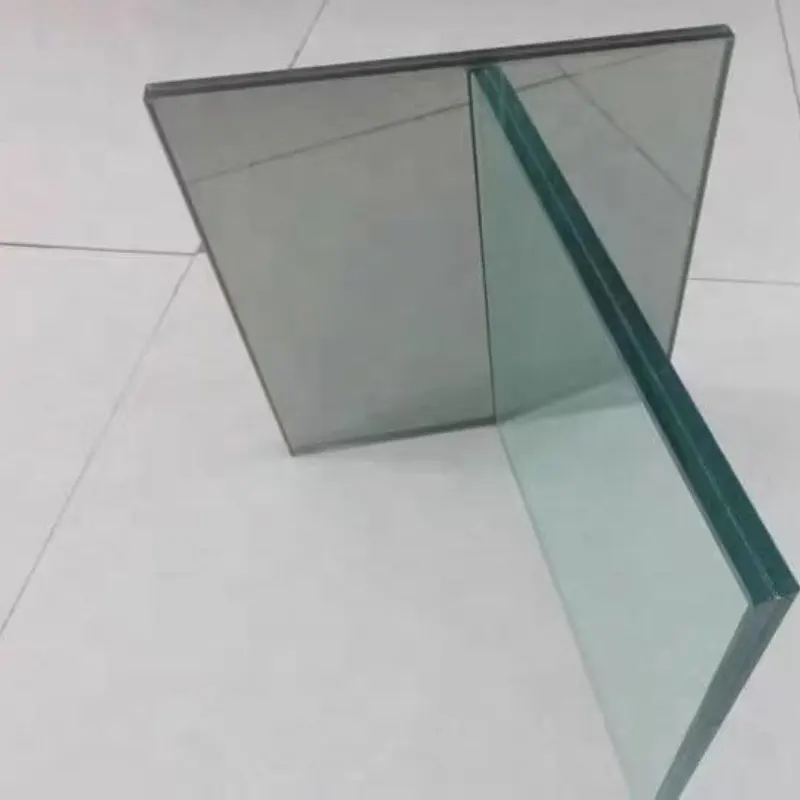
Industry Insight: The shift toward all-glass facades has made tempered glass the foundational layer of modern architecture. When combined with laminated glass, it creates a redundant safety system capable of withstanding severe impacts while retaining shattered fragments.
04 2026 Commercial Construction Trends
The aesthetic trends of 2026 heavily favor transparency and uninterrupted views. This has led to a surge in frameless glass doors, expansive glass balustrades, and floor-to-ceiling curtain walls.
Because these designs eliminate traditional framing that might otherwise provide structural support, the glass itself must bear the brunt of wind and impact loads. Tempered glass provides the necessary mechanical strength to bring these bold, minimalist architectural visions to life without compromising safety.
05 Integration with Facade Systems
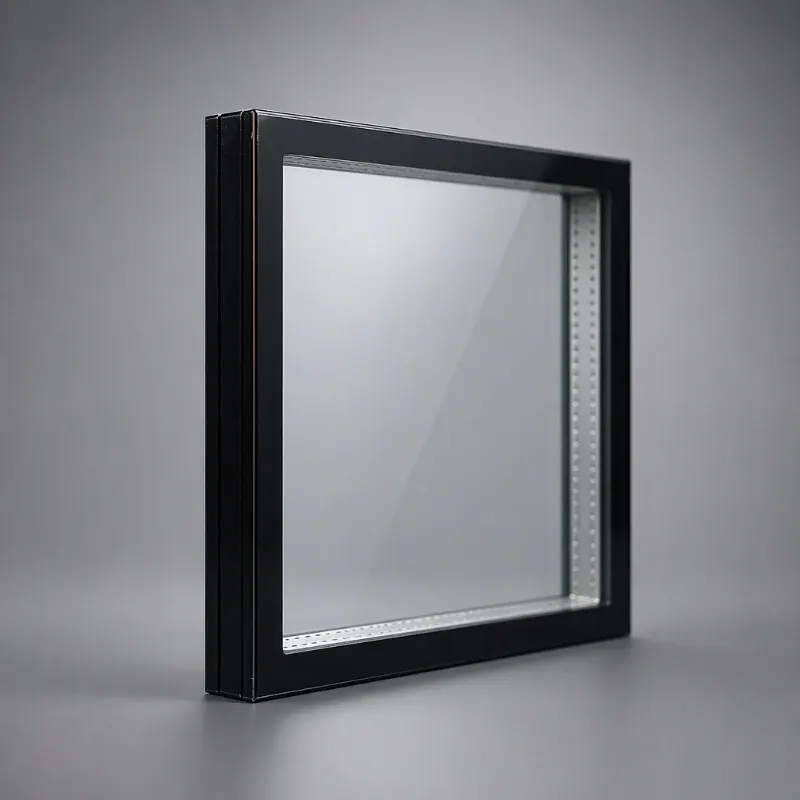
Modern commercial facades require multifunctional performance. Tempered glass serves as the perfect base material for advanced composite systems. When assembled into an insulated glass unit (IGU), it delivers crucial thermal insulation and energy efficiency alongside its inherent safety benefits.
Furthermore, the application of ceramic fritted glass to tempered panels allows architects to control solar heat gain and achieve unique aesthetic patterns, proving that high safety standards do not hinder design creativity.
06 Life-Cycle and Sustainability
Beyond safety, tempered glass plays a critical role in the sustainability goals of 2026. By enabling high-performance insulated units, it helps reduce the operational carbon footprint of buildings through minimized heating and cooling demands.
Additionally, the durability and strength of tempered glass contribute to lower life-cycle costs. It resists scratching, thermal breakage, and wind fatigue, ensuring the building envelope remains intact and visually pristine for decades.
07 Tianbo's Manufacturing Edge for 2026 Projects
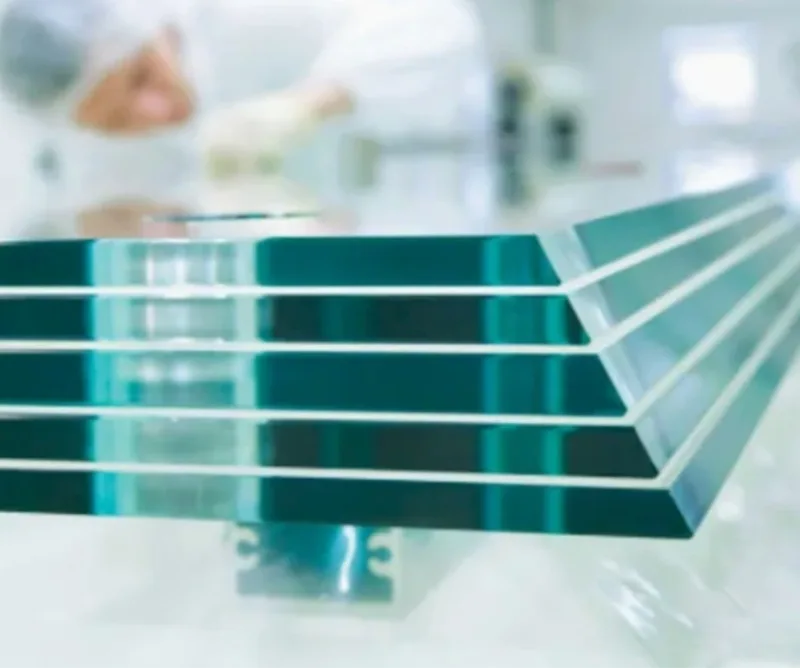
At Tianbo, we are prepared for the stringent demands of 2026 construction. Operating a 30,000-square-meter facility with advanced horizontal and bent tempering lines, we ensure every pane meets exacting structural tolerances.
Our tempered glass is 3C certified, reflecting our unwavering commitment to quality and safety. Whether you need custom sizes, intricate cutouts, or complex multi-layer composites, explore our complete range of architectural glass products to secure your next project.
08 Frequently Asked Questions
QCan tempered glass be cut or drilled after manufacturing?
No. All cutting, drilling, and edge grinding must be completed before the tempering process. Once tempered, any attempt to modify the glass will cause it to shatter.
QDoes tempered glass offer thermal insulation?
Standard monolithic tempered glass does not offer high thermal insulation. However, it can be assembled into an insulated glass unit (IGU) with a sealed air or argon cavity to achieve excellent thermal performance.
QWhat are the maximum sizes available for your tempered glass?
For flat tempered glass, the maximum specification is typically 2440mm by 5000mm, with thicknesses ranging from 5mm to 19mm. Please consult our technical team for specific project requirements.
QHow do you ensure safe transport for export orders?
We utilize heavy-duty wooden crates with specialized foam padding and interlayer protection. This robust packaging is designed to withstand the rigors of ocean freight and ensure your glass arrives safely.