
It is no longer aesthetics alone. Stricter energy codes, mandatory safety standards, and the demand for high-performance building envelopes are reshaping how the industry specifies glass—and manufacturers like Tianbo are engineering solutions to meet that shift.
What Is Driving Demand? How Are Safety Standards Changing? What Defines Performance? How Is AI Changing the Process? How Does Tianbo Respond? FAQ
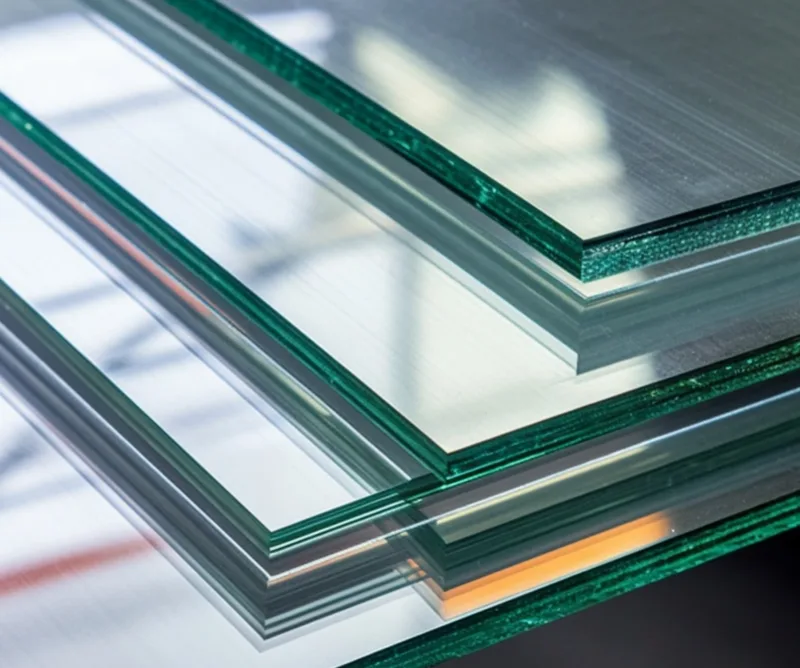
The global architectural glass market is growing steadily as building codes evolve. But the real story is not the size of the market—it is the fundamental shift in what glass is expected to do. Glass is no longer a commodity component. It is a performance-critical system that must satisfy energy regulations, safety standards, and occupant comfort demands simultaneously.
What Is Really Driving Demand for Advanced Glass?
Energy regulation is the primary demand driver, not aesthetic preference. The building and construction glass market is shaped by energy efficiency codes, safety standards, and architectural performance requirements.
Stricter Energy Regulations
In recent years, regulatory bodies worldwide have advanced implementation of revised Energy Performance of Buildings requirements, reinforcing stricter thermal transmittance limits for glazing systems. Similar dynamics are evident in North America, where the U.S. Department of Energy reaffirmed building envelope efficiency guidelines. This is why insulated glass units and Low-E coatings have moved from premium options to baseline requirements.
Urbanization and Retrofit Activity
Buildings account for a significant portion of global energy consumption, making the building envelope a high-priority efficiency lever. Aging building stock in Europe, North America, and East Asia requires window and façade upgrades to meet modern energy and comfort standards. Retrofit projects often involve replacing single glazing with insulated units, creating stable demand independent of new construction cycles.
How Are Safety Standards Reshaping Product Selection?
Safety is no longer a secondary consideration. Tempering, laminating, and coating processes transform base glass into safety-critical products that protect both occupants and the building envelope.
Tempered vs. Laminated Glass
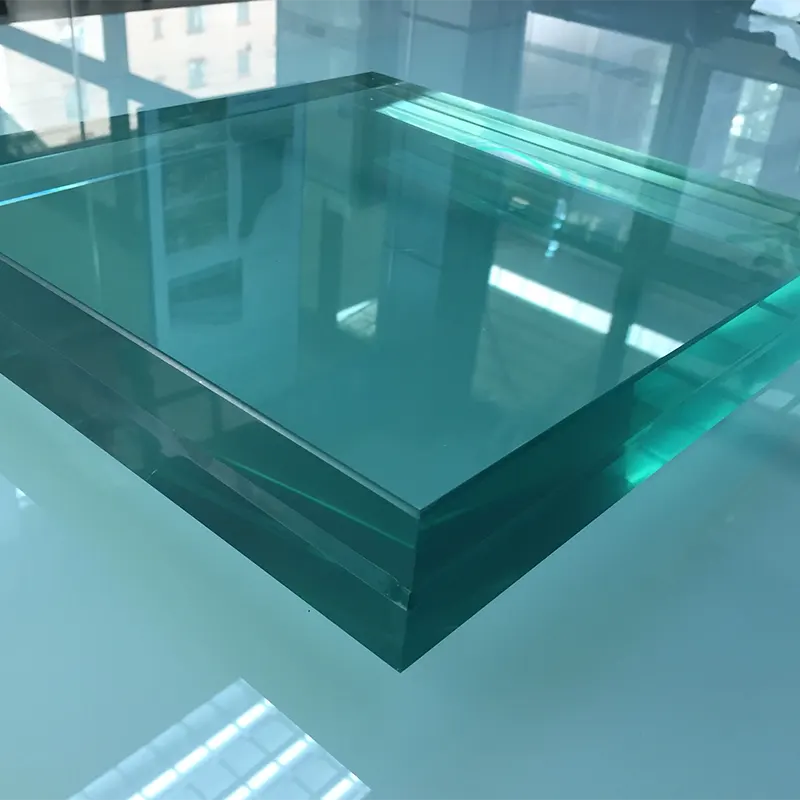
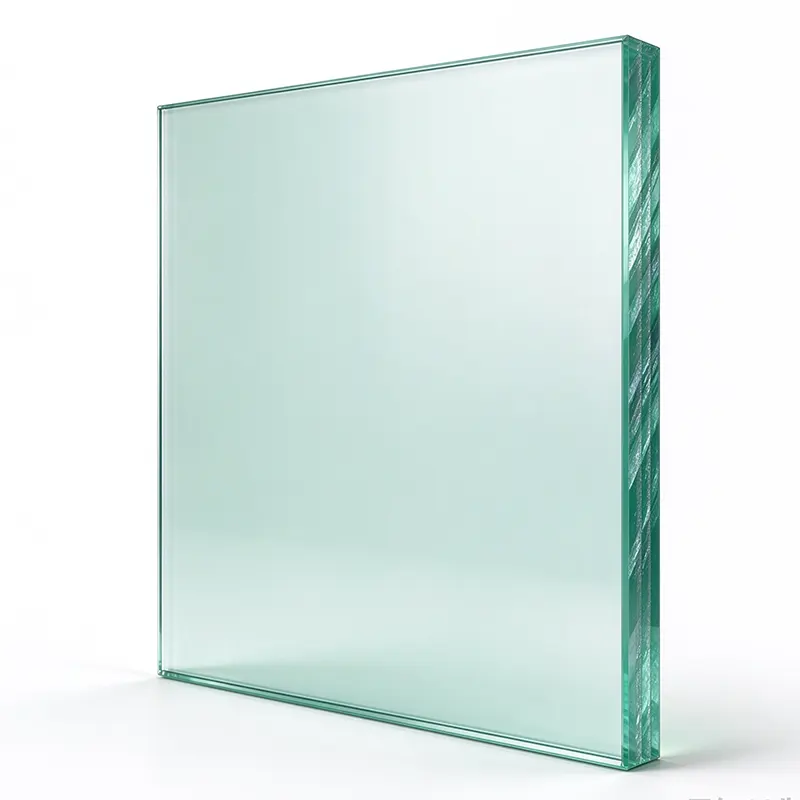
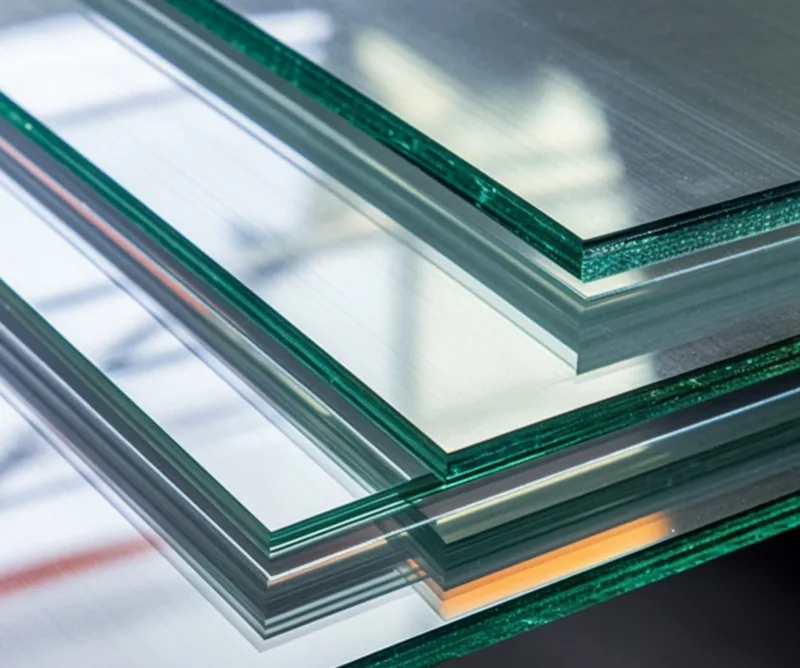
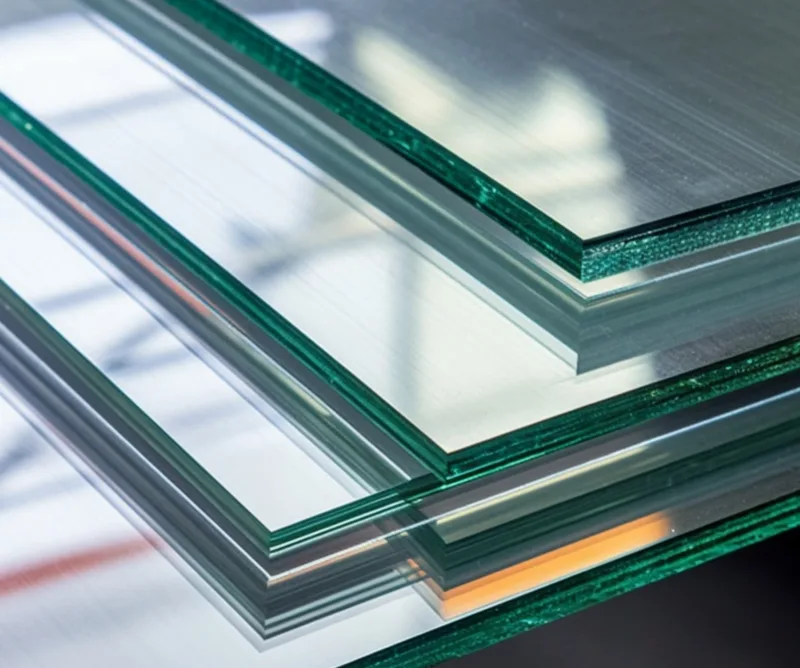
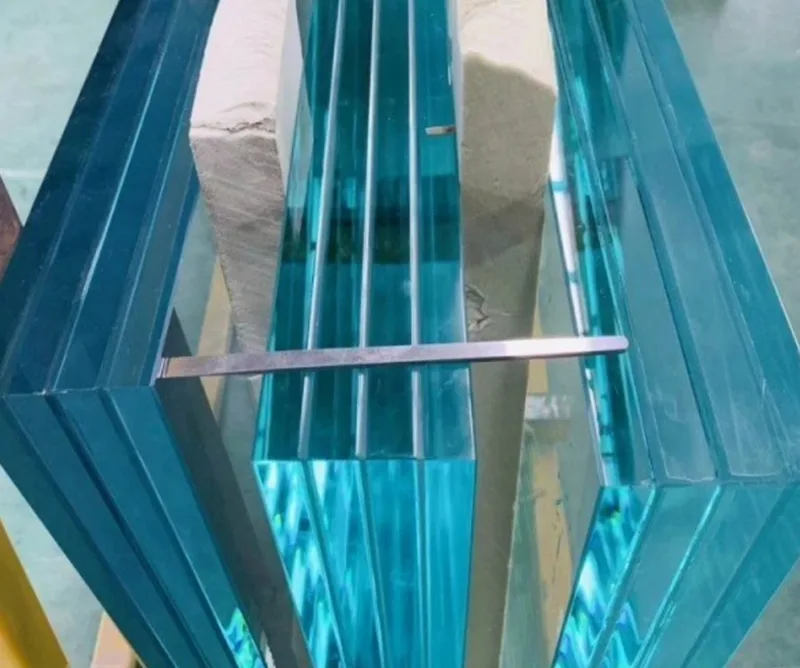
Laminated glass is increasingly specified for impact resistance, sound insulation, and occupant safety, while tempered glass remains essential where strength and breakage behavior are regulated. In this environment, tempered glass and laminated glass are not interchangeable—they are specified according to the specific safety function they must perform.
Industry note: The construction glass landscape is being reshaped by stricter energy-performance rules, green building certification, and owner demand for healthier indoor environments. Architects and developers are prioritizing glazing systems that balance visible light transmission, solar heat gain control, safety, and embodied carbon considerations.
What Defines a Truly High-Performance Glass System?
A high-performance glass system is no longer judged by a single metric. It must simultaneously address thermal insulation, solar control, acoustic comfort, structural safety, and fire protection.
The Multi-Layered Approach
For facade engineers, the practical implication is straightforward: every layer in the glass assembly must justify its role. A tempered outer pane handles wind load and thermal stress. A laminated interlayer provides fragment retention for overhead safety. An insulating cavity delivers thermal performance. A Low-E coating reduces solar heat gain without sacrificing daylight. No single product can do all of this alone—which is why integrated glass solutions are becoming the norm.
Value-Added Features
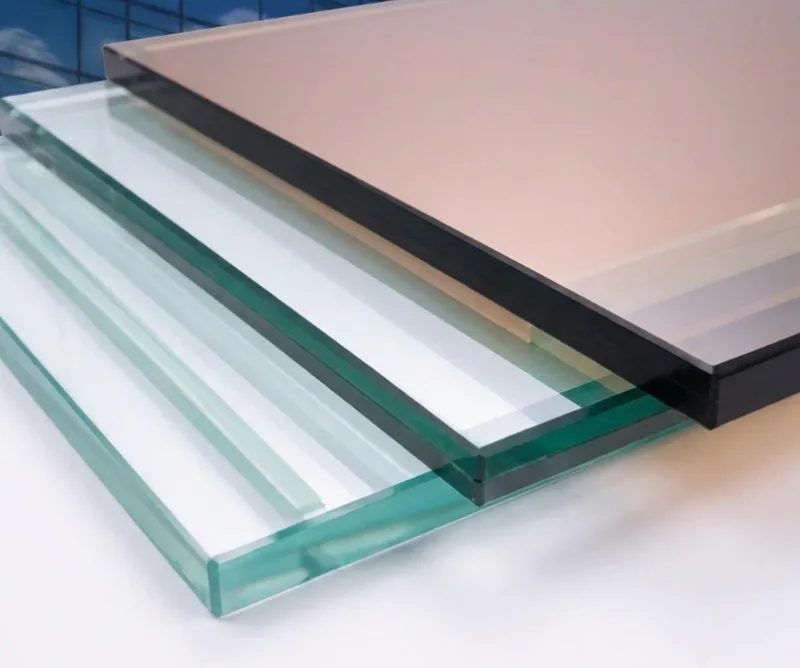
The rise of value-added glass reflects this reality. Low-E coatings, double and triple glazing, laminated interlayers, fire-rated glass, and dynamic smart glass are gaining relevance as buildings become more digitally managed and climate-responsive. Supply chains are also adapting to tighter quality traceability to support lower-carbon construction and higher installation reliability.
Is Artificial Intelligence Really Changing Glass Manufacturing?
Yes—and the impact is measurable. AI is influencing architectural glass through generative façade design, daylight and thermal simulations, automated specification support, production scheduling, defect detection, and predictive maintenance.
Quality Control and Defect Detection
Computer vision can identify scratches, inclusions, edge damage, coating irregularities, and fabrication inconsistencies earlier in the process. For manufacturers, the strongest applications combine AI with verified engineering inputs, building-information modeling, sensor data, and human review.
Process Optimization
Machine-learning models help optimize cutting patterns and reduce material waste, improving yield rates. Adoption remains dependent on data quality, interoperability, cybersecurity, and compliance with safety regulations. But the direction is clear: factories that pair advanced production lines with data-driven quality control will be better positioned to deliver consistency.
How Does Tianbo Engineer for This New Standard?
Tianbo approaches glass as an engineered system, not a catalogue item. Whether the project calls for fire-rated spandrels, high-security facades, or energy-efficient curtain walls, the starting point is the same: understand what the building code demands and what the engineer needs.
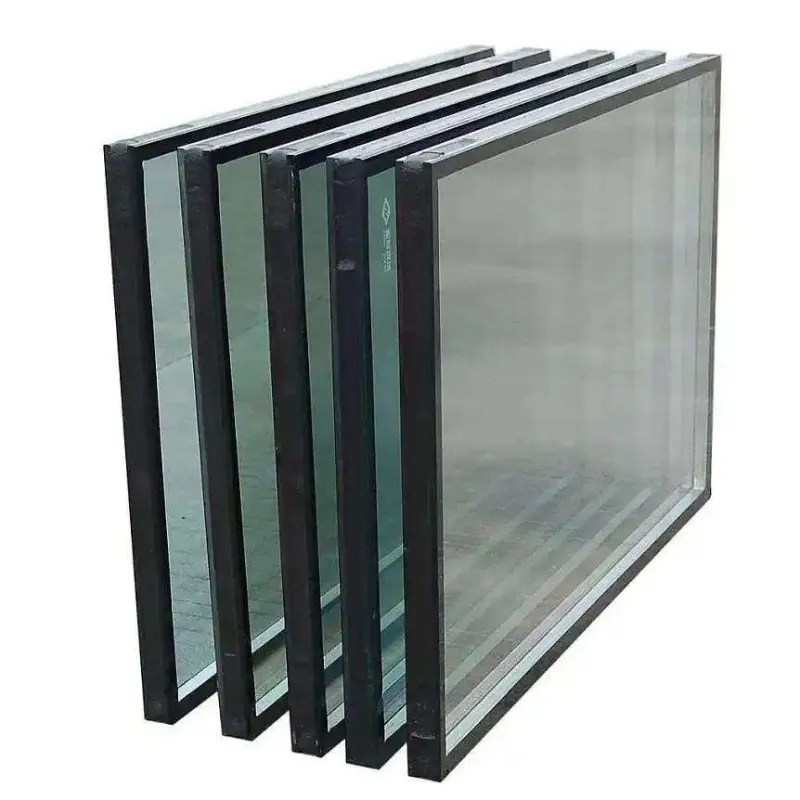
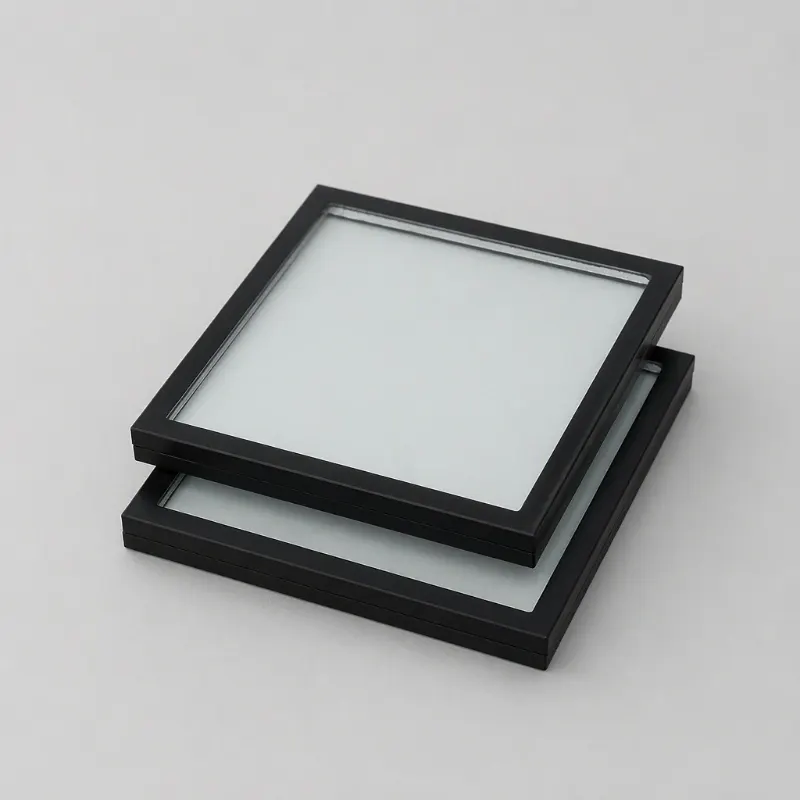
Our fire-resistant glass is designed to withstand high thermal shock and hold structural integrity under extreme heat, forming an effective fire integrity and insulation barrier. Our insulated glass units use warm-edge spacer technology and dual-seal structures to prevent gas leakage and moisture ingress, with customized cavity widths and Low-E coatings to match project-specific U-value targets.
Manufacturing Capabilities
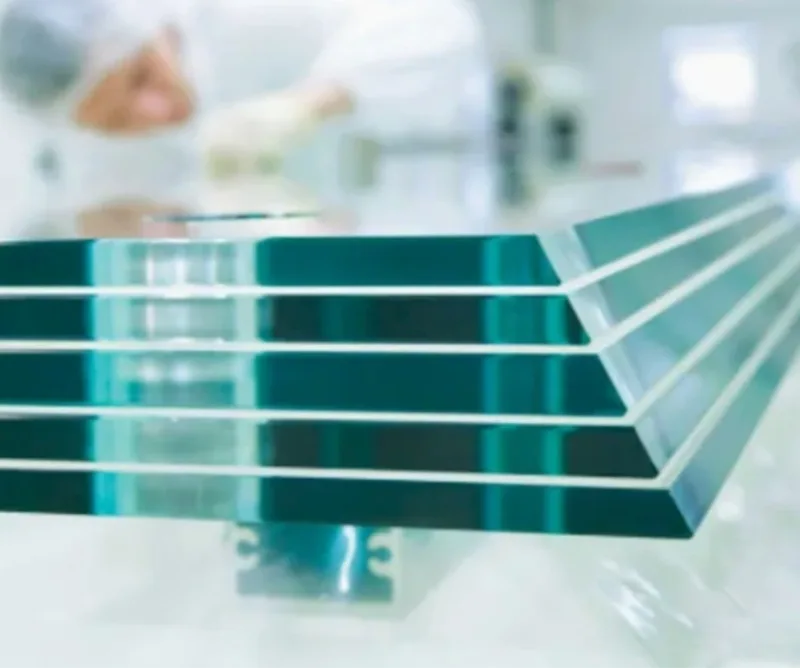
The company holds 3C certification for safety glass and has been recognized as a specialized and innovative SME. Our large-scale facility operates automatic production lines for flat tempering, curved tempering, insulating, laminated and fireproof glass. From raw material inspection to final inspection, each process follows national standards and quality management systems to ensure flatness, strength and safety.
This capacity matters because regulation-led demand is not a short-term trend—it is a structural requirement that will define commercial construction for the rest of the decade. That is the standard the industry is moving toward—and the standard Tianbo is built to meet.
Frequently Asked Questions
What is the single biggest driver of architectural glass innovation?
Energy regulation. Stricter thermal transmittance limits and net-zero building targets have made high-performance glazing a compliance necessity rather than a design preference. Safety codes and retrofit demand are close behind.
Can a single glass product meet both energy and safety requirements?
Rarely. Most high-performance facades use composite assemblies—for example, a tempered outer pane for strength, a laminated interlayer for fragment retention, and an insulating cavity with Low-E coating for thermal performance. The art is in the combination.
Does Tianbo support custom glass configurations for specific projects?
Yes. We support customized dimensions, thickness combinations, color selections, and special performance solutions including fireproof and bulletproof glazing. Please share your drawings or specifications for confirmation.
How do you ensure quality consistency across bulk orders?
Every process—from raw material inspection, tempering, laminating and bonding, insulating glue filling to final inspection—follows national standards and quality management systems. Our 3C certification and internal QC framework are designed to deliver consistent flatness, strength and optical clarity.