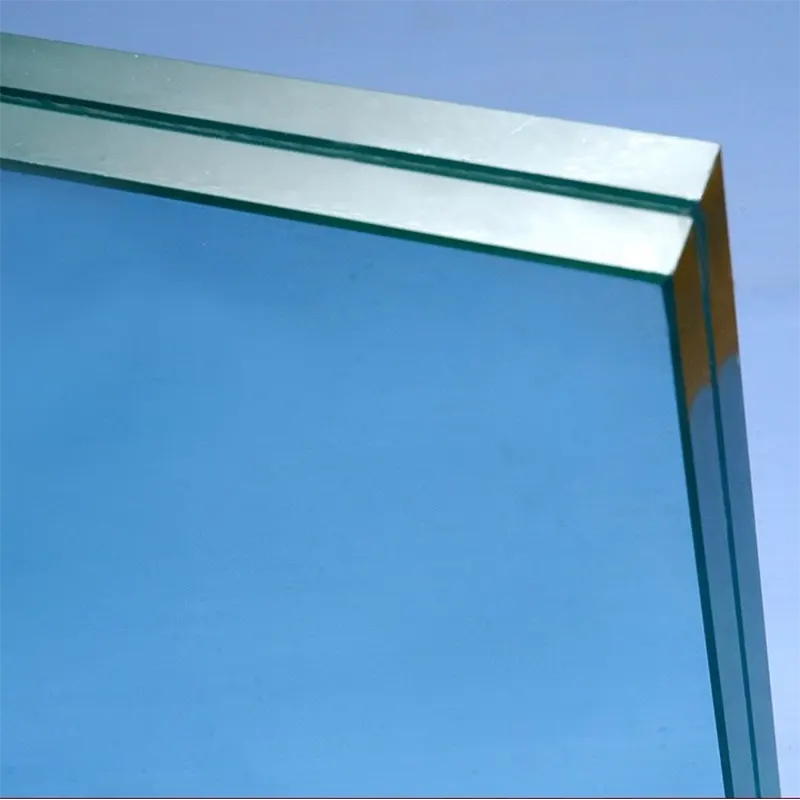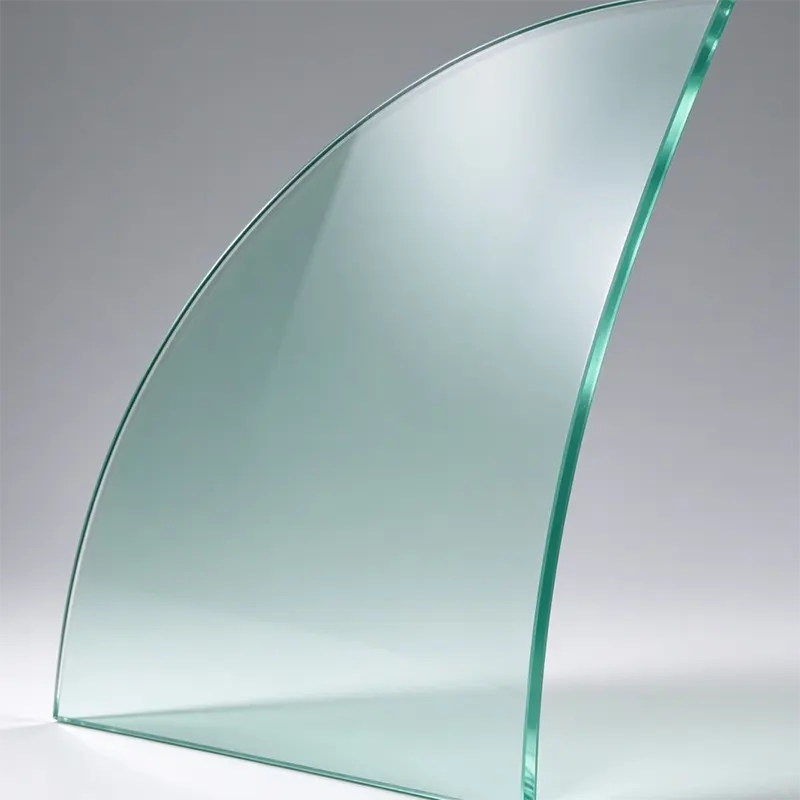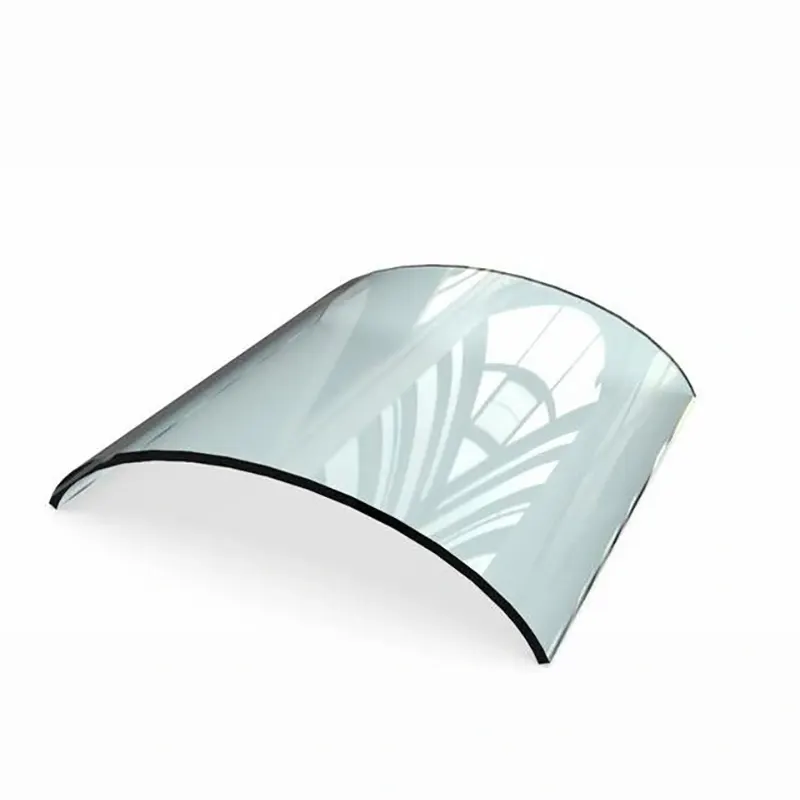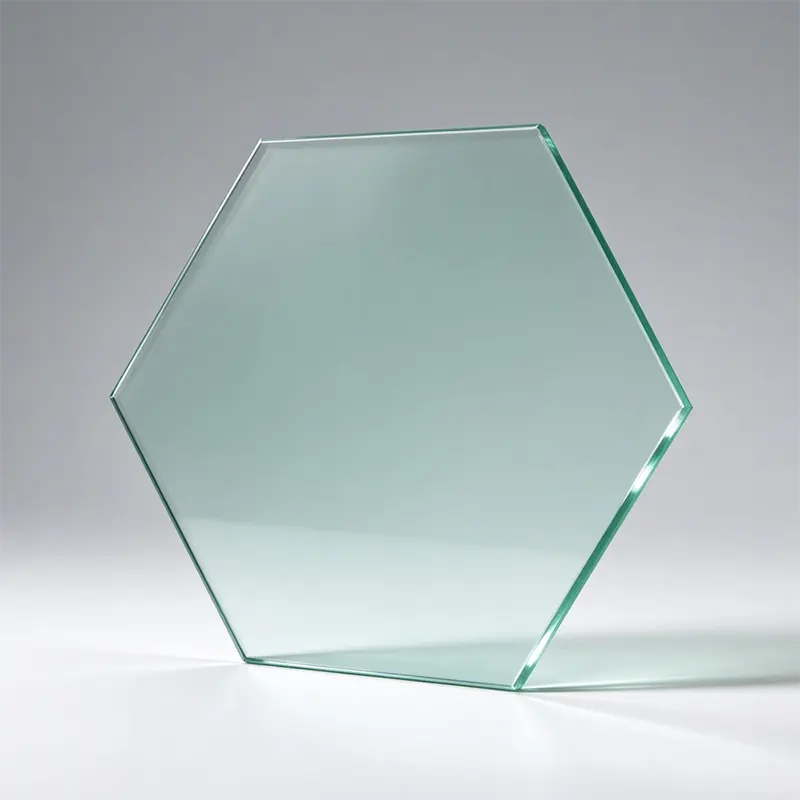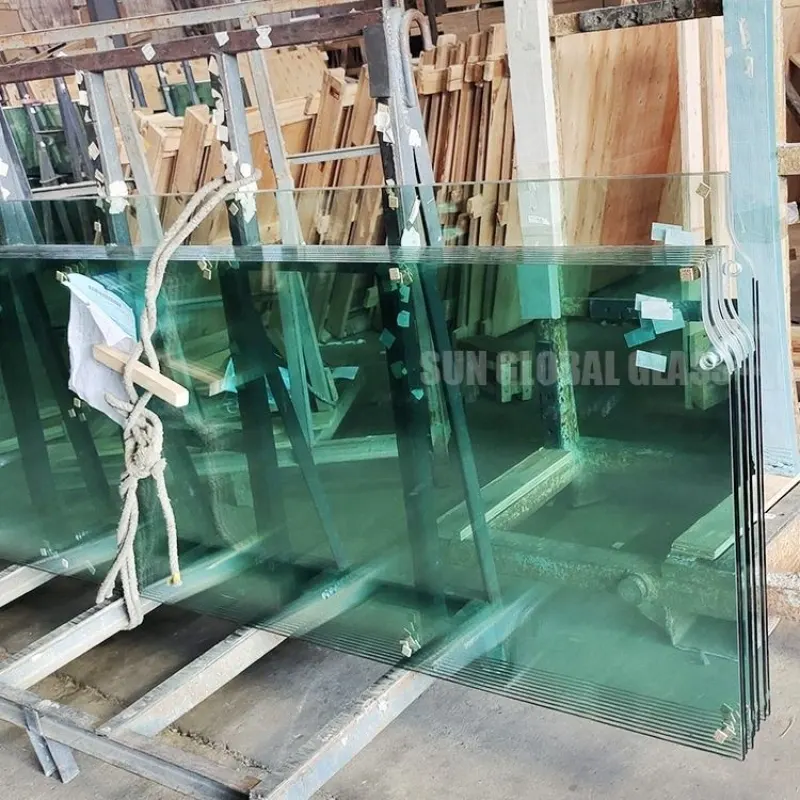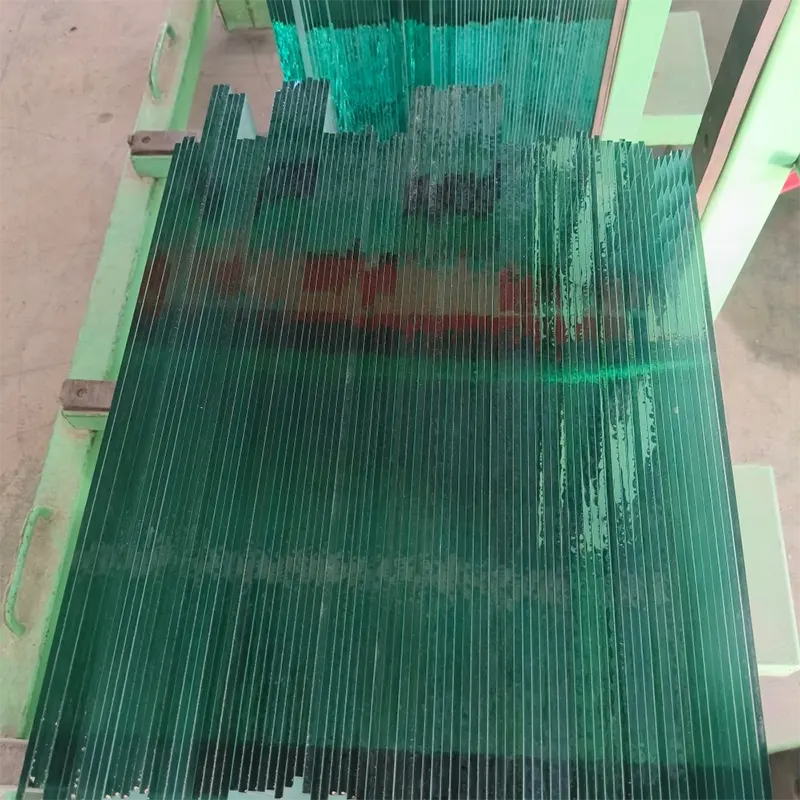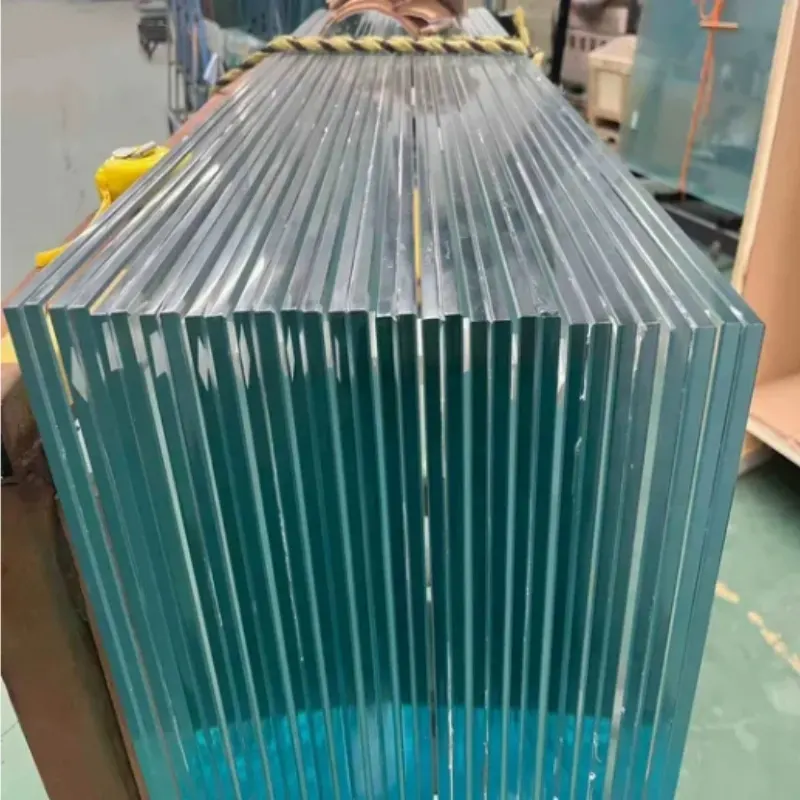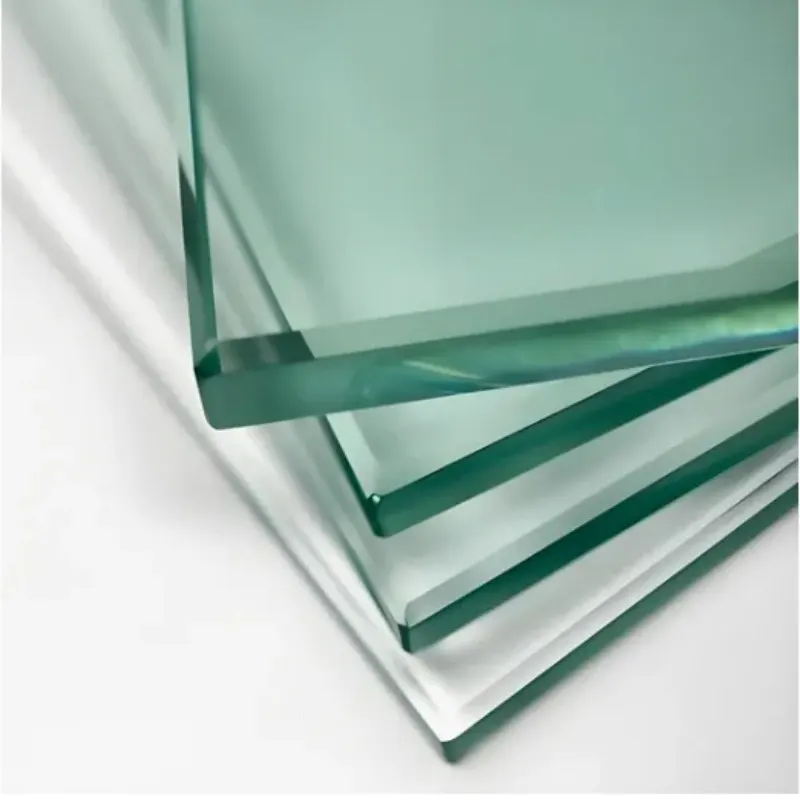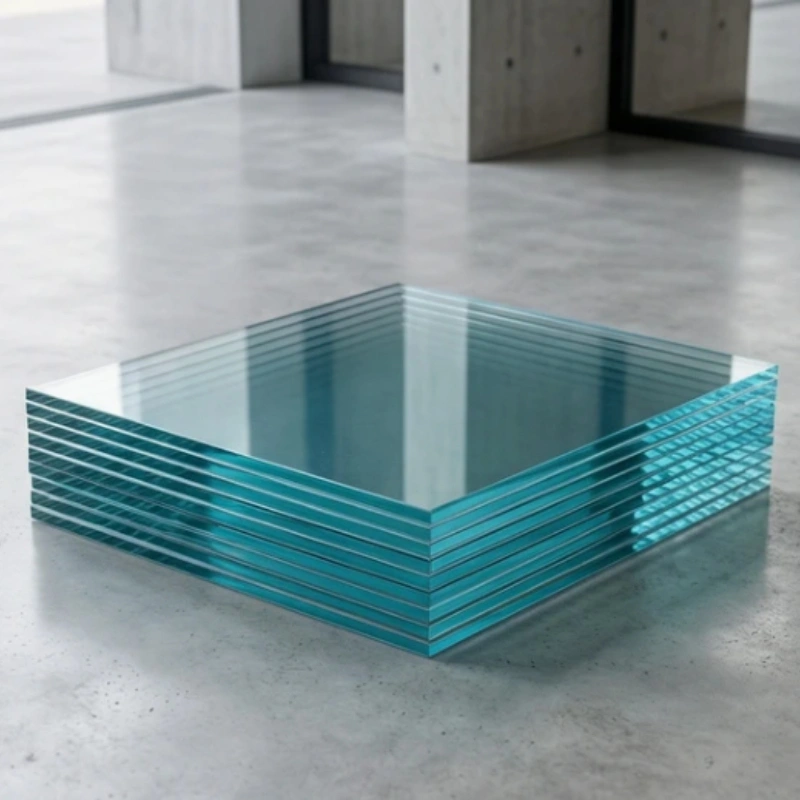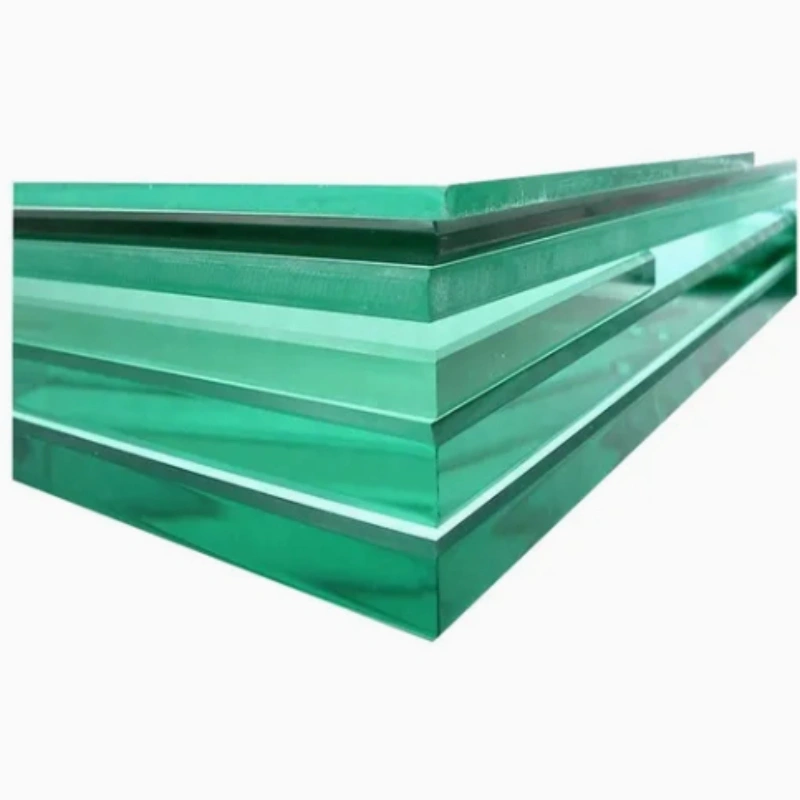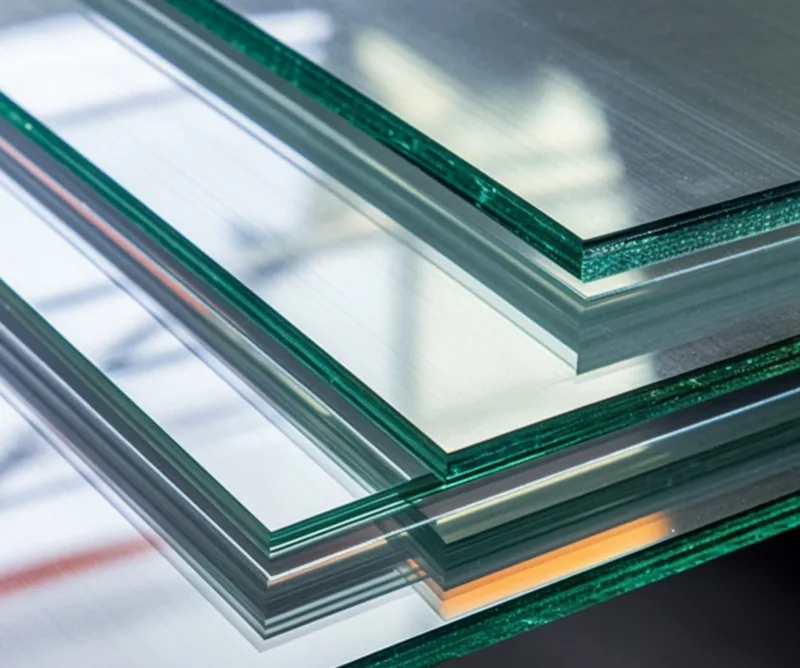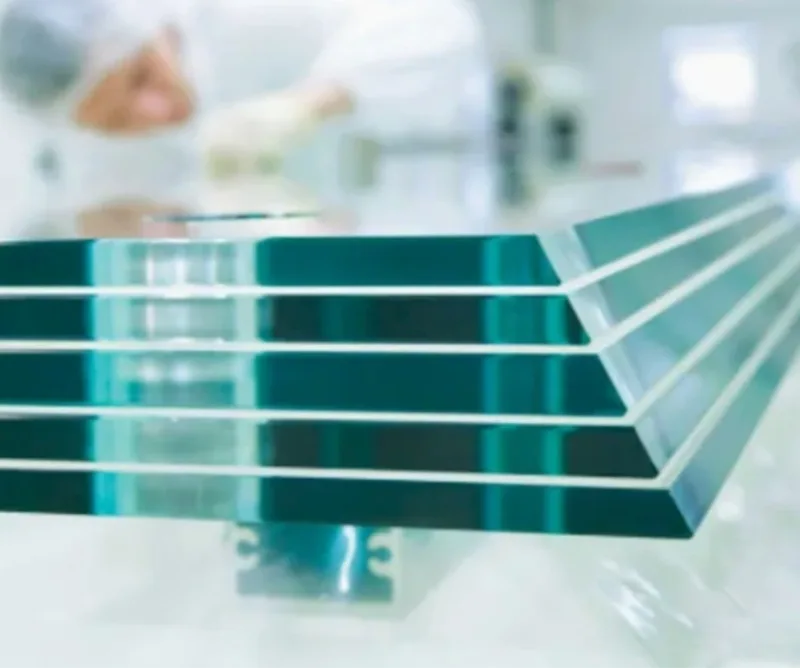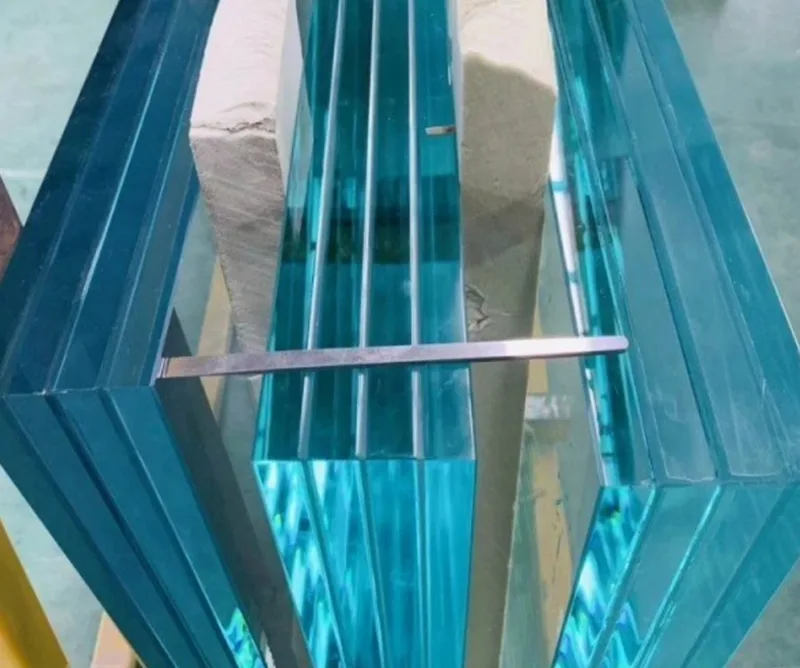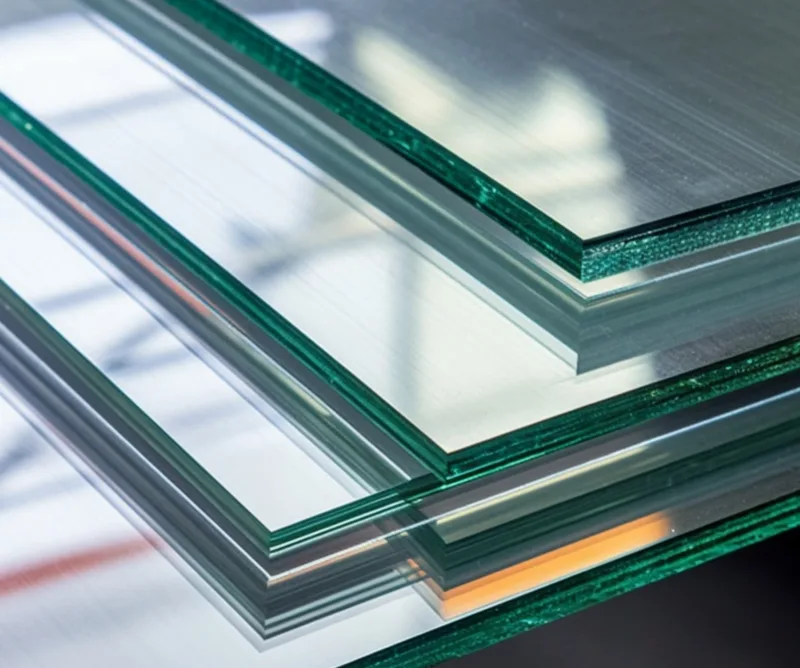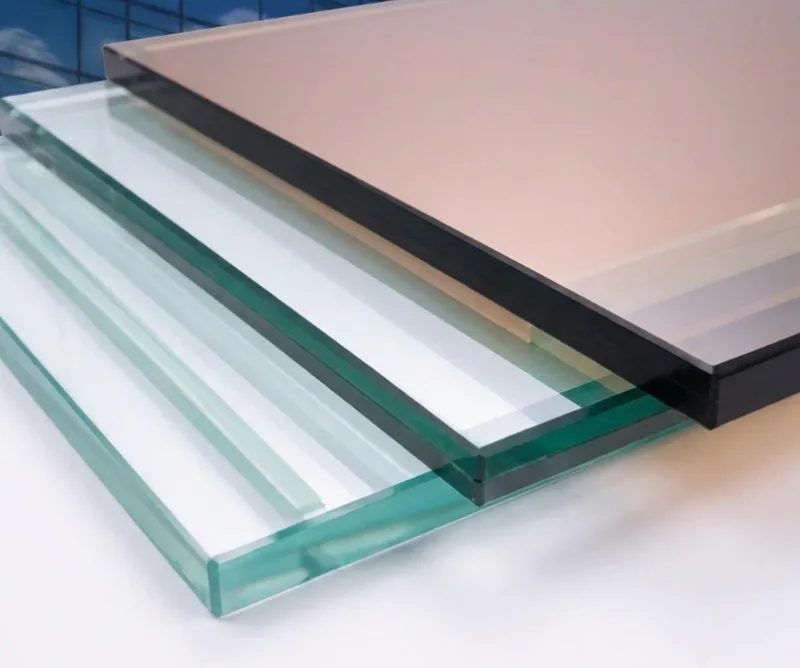
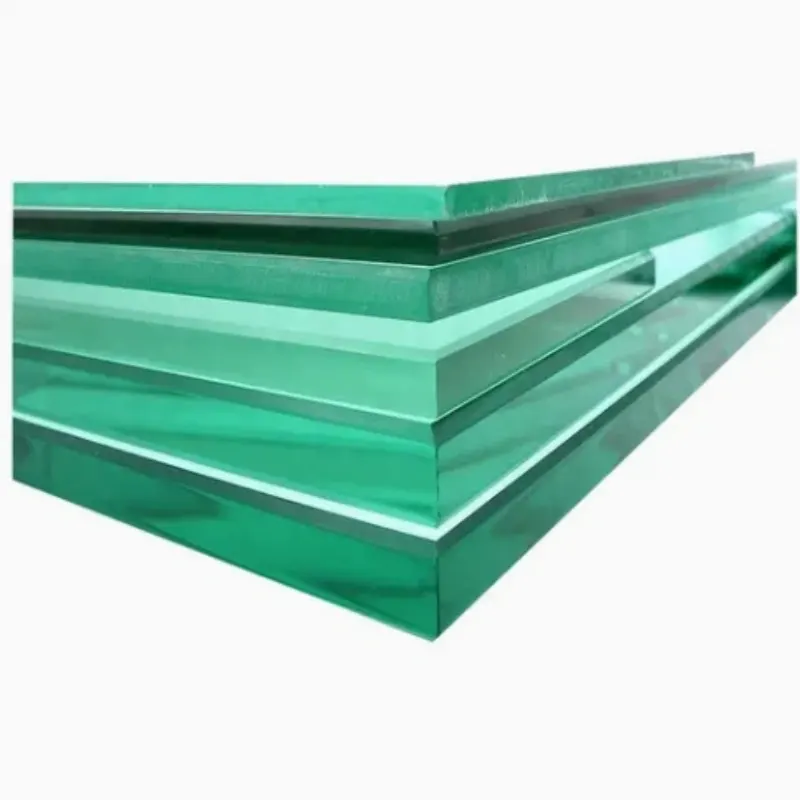
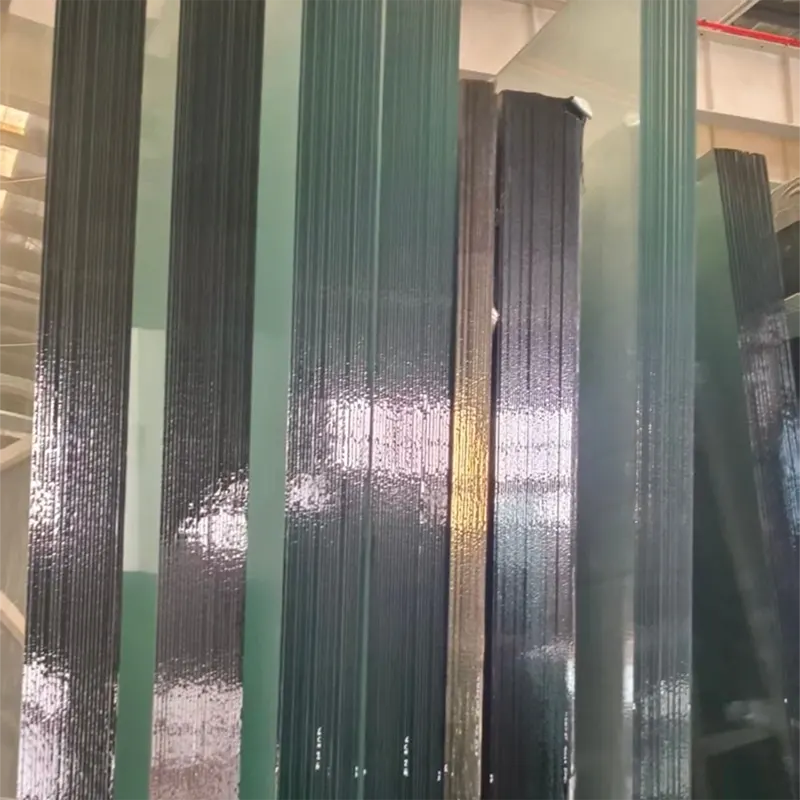
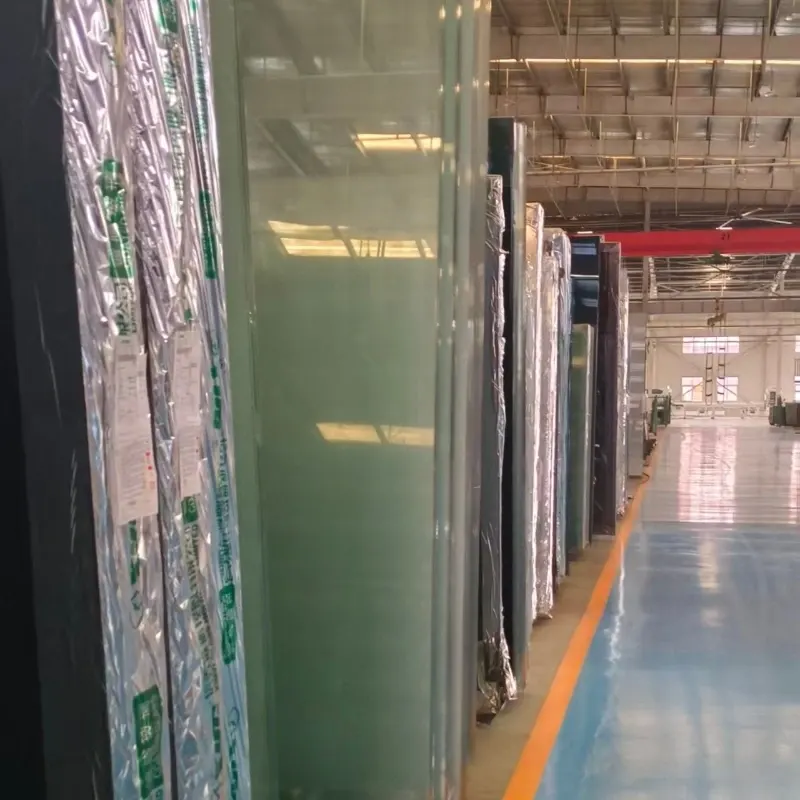
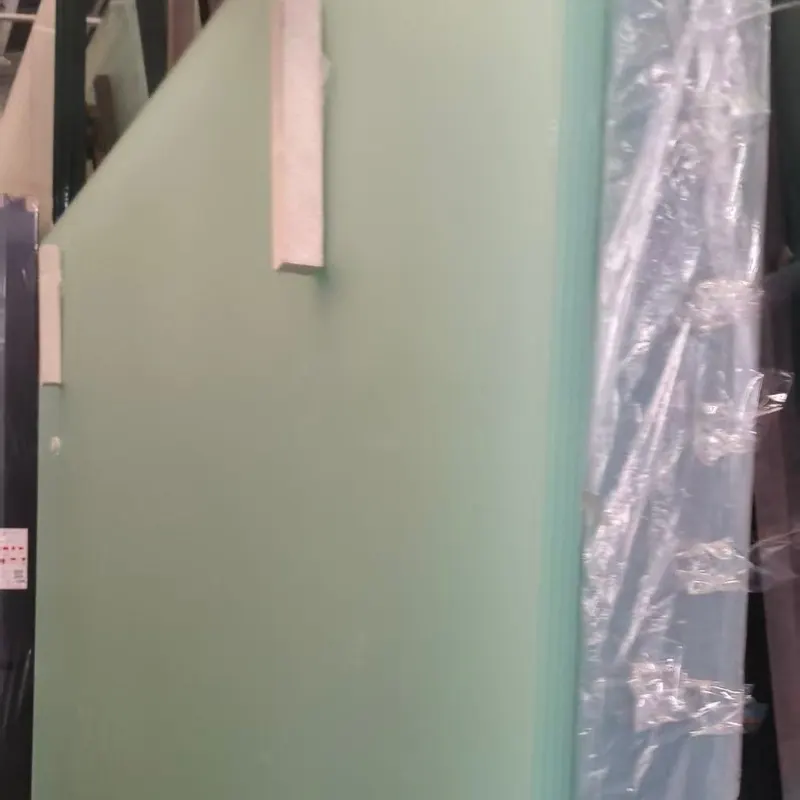
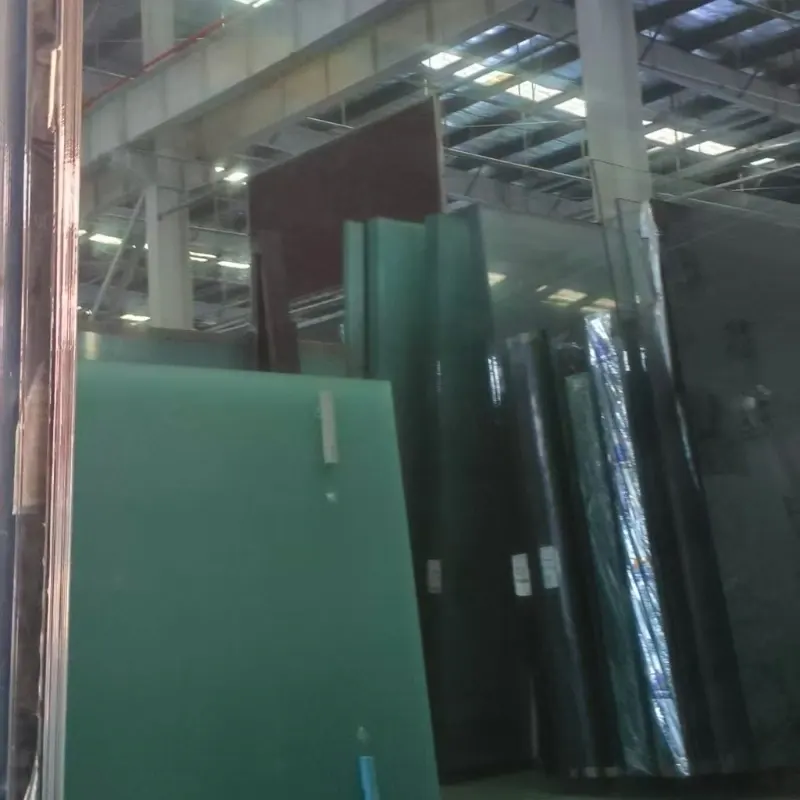
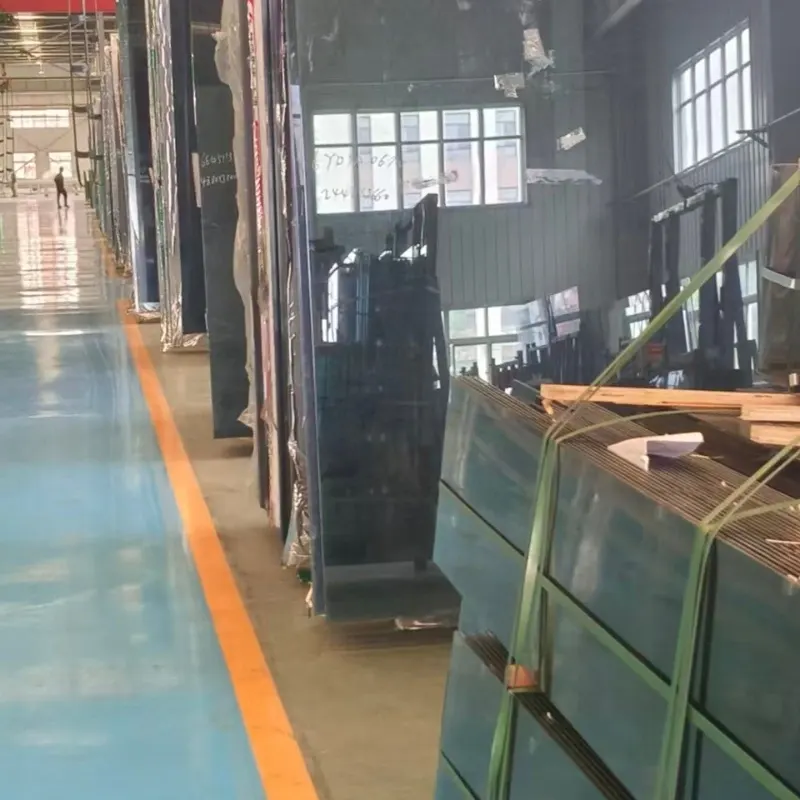
Tianjin Tianbo Glass manufactures Impact-Resistant Low-E Laminated Tempered Glass for building projects that require thermal insulation and impact protection. The glass combines a Low-E coating, tempered glass and a laminated interlayer. The Low-E coating helps reduce heat transfer and solar glare, while the laminated structure holds broken glass fragments in place if the panel is damaged. It is commonly used in high-rise windows, commercial facades, curtain walls and public buildings. Panel size, thickness, coating type, interlayer color and edge finish can be specified according to project drawings and installation requirements. Factory direct supply and wholesale orders are available.
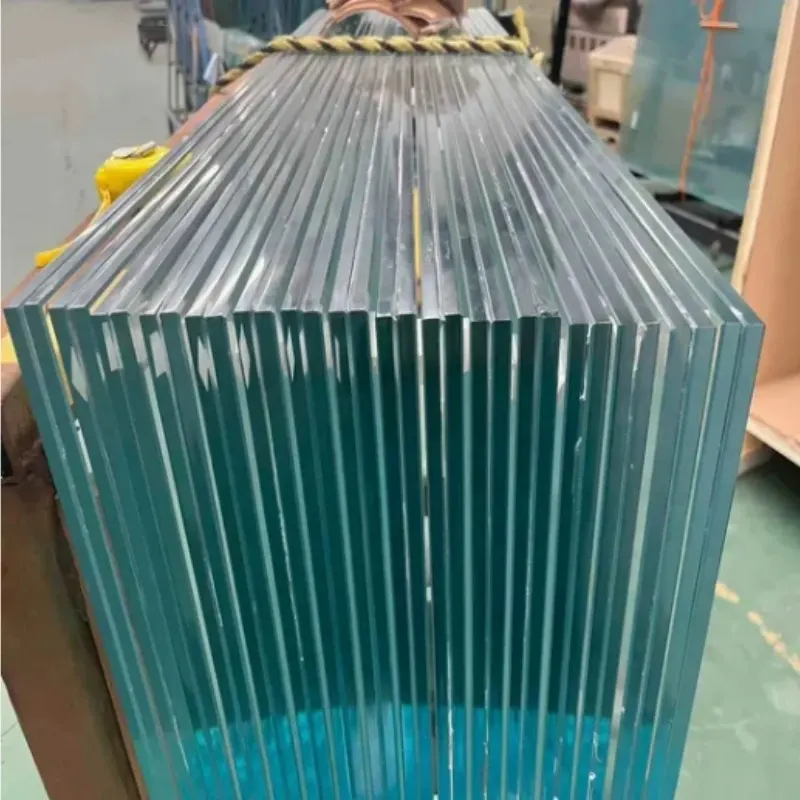
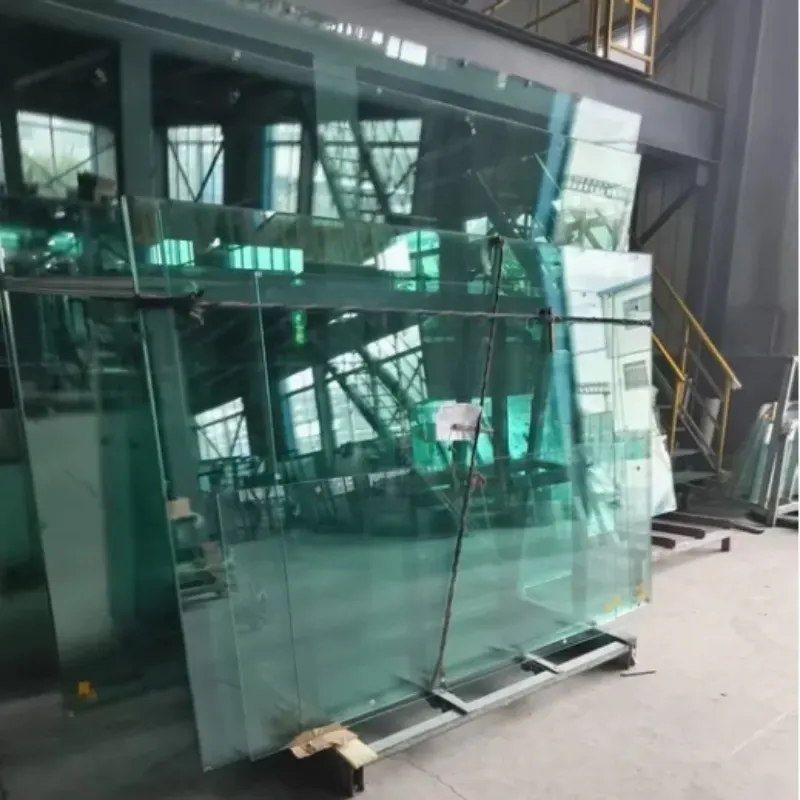
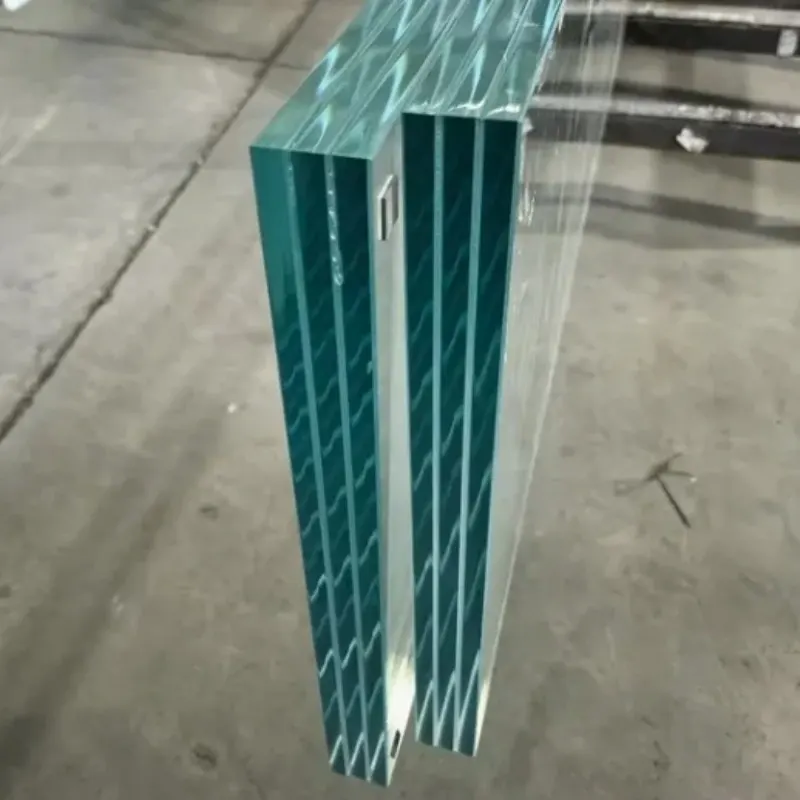
The protective and energy-saving performance of Impact Resistant Low-E Laminated Tempered Glass comes from material combination and process coordination. The Low-E coating layer is deposited on the glass surface through vacuum sputtering technology, reflecting far-infrared thermal radiation and reducing heat transfer without significantly reducing visible light transmittance; The glass substrate is tempered to form a compressive stress layer on the surface, enhancing its impact resistance and bending strength; Subsequently, the tempered glass is laminated with intermediate layers such as PVB, and the interlayer air is pre compressed and discharged before entering the high-pressure reactor for high-temperature and high-pressure curing, so that each layer is firmly bonded into a whole. When impacted, the tempered layer bears the main strength, while the middle layer absorbs energy and adheres fragments, reducing splashing; The Low-E layer continues to provide insulation and shading, ensuring that the finished product is safe and energy-efficient in areas such as building doors, windows, and curtain walls.
|
Appearance |
Flat Tempered |
|
Steel Degree |
Tempered Glass |
|
Technics |
Physically Tempered |
|
Usage |
Building, Furniture |
|
Material |
Float Glass |
|
Product Name |
Impact-Resistant Low-E Laminated Tempered Glass |
|
MOQ |
100㎡ |
|
Mix Container |
Accept |
|
Size |
customized |
|
Sample |
Accept |
|
Specification |
Any size as your request |
|
Shape |
Flat |
|
Flatness |
Conforming Article |
|
Glass Color |
Clear |
|
Processing |
Custom Designed |
|
Packing |
Plywood Crates |
|
OEM |
Accept |
|
Transport Package |
Strong Plywood Case |
|
Origin |
China |
Firstly, determine the configuration based on the building location and performance goals: Before selecting Impact Resistant Low-E Laminated Tempered Glass, it should be clearly defined whether it is used for high-rise exterior windows, curtain walls, skylights, or public building facades, and whether the project focuses more on insulation, shading, impact resistance, or fall prevention. Different parts have different requirements for safety levels and energy-saving indicators, and selection cannot be based solely on thickness or unit price.
The position of the Low-E film surface and the sequence of the interlayer should match: the position of the Low-E coating will affect shading, heat transfer, and visual effects, and the sequence of the interlayer and hollow structure will also affect sound insulation and safety performance. When selecting, the manufacturer should evaluate the membrane surface position, glass combination, and interlayer configuration based on the building orientation, climate conditions, and frame system to avoid performance degradation caused by configuration conflicts.
The tempered glass and interlayer configuration are determined according to safety requirements: based on the size of the partition, installation height, wind pressure, and personnel safety requirements, the thickness of the tempered glass and the PVB interlayer configuration are confirmed. For areas with high requirements for fall prevention, the thickness of the interlayer and the ability to retain debris should be evaluated; At the same time, it should be noted that after tempering, secondary cutting and hole opening are not allowed, and the hole position and edge processing need to be confirmed in advance.
Before batch production, check the samples, certification, and installation nodes: It is recommended to first make samples to confirm the color, transparency, shading effect, and appearance quality, and verify the 3C certification information and destination country project requirements. The installation nodes, frame sealing, and drainage design also need to be confirmed synchronously. The contract should specify the acceptance standards, packaging protection, and patch methods to facilitate subsequent bulk supply.
|
Comparison Item |
Impact-Resistant Low-E Laminated Tempered Glass |
Ordinary Low-E Insulated Glass |
|
Structural Features |
Low-E coating + tempered glass + interlayer composite, combining energy saving and impact resistance |
Insulation mainly relying on air cavity, normally without interlayer safety structure |
|
Safety Performance |
Fragments are bonded by interlayer after breakage under impact, reducing splashing and falling risk |
Limited fragment retention after breakage; anti-fall performance relies on extra accessories |
|
Application Scenarios |
High-rise external windows, curtain walls, skylights and other areas requiring both energy efficiency and safety |
General doors, windows and curtain walls focusing on thermal insulation |
Multi category comprehensive deep processing capability: Tianbo focuses on the research and production of tempered glass, hollow glass, laminated glass, fire-resistant glass, bulletproof glass and other building safety glass. It can provide multi category matching options for construction projects, reducing the time and communication costs for customers to coordinate between multiple suppliers.
Production capacity and output value support batch delivery: The annual production capacity of tempered glass is 1 million square meters, the annual production capacity of insulated glass is 600000 square meters, the annual production capacity of laminated glass is 350000 square meters, and the annual output value is over 100 million yuan. This production capacity structure can support engineering batch orders and regular supply, providing a foundation for scheduling and delivery management.
Advanced equipment ensures processing accuracy and production capacity: equipped with advanced production equipment such as horizontal tempering, bending tempering, hollow, and sandwich at home and abroad, and introducing vacuum sputtering coating equipment and technology to produce LOW-E hollow glass, which can meet the needs of deep processing and large-scale production of multiple categories.
Professional team supports customization and delivery: With an experienced production team and modern management system, we can provide glass configuration, processing, and packaging suggestions based on project drawings. We focus on production coordination, delivery time management, and export support services, providing stable support for long-term cooperation.
Address
50 meters south of the intersection of Road No. 7 and Yanfeng West Road, North Zone, High-tech Industrial Park, Ziya Economic and Technological Development Zone, Tianjin, China
Tel