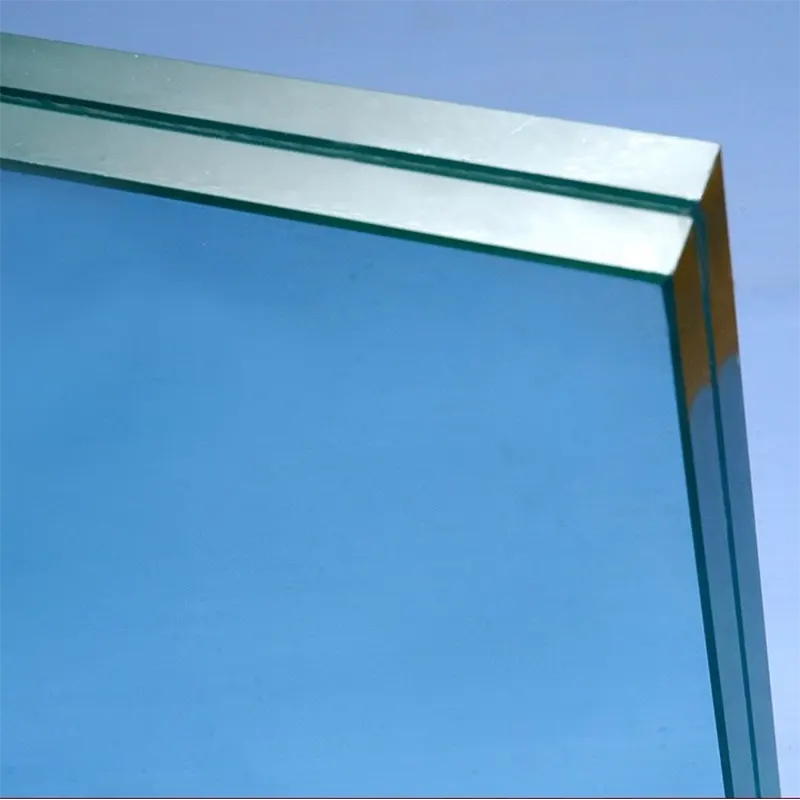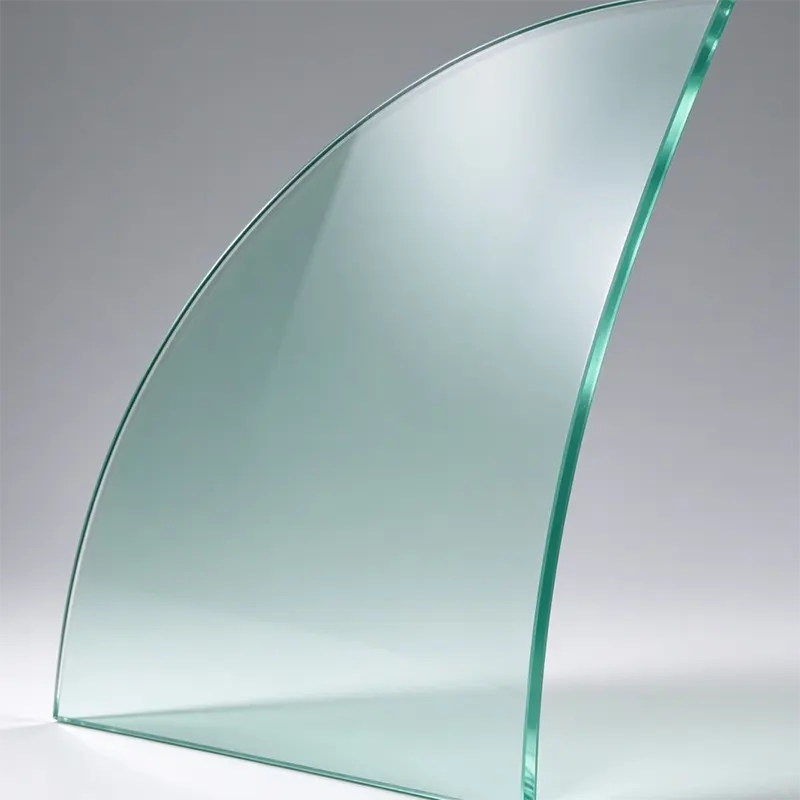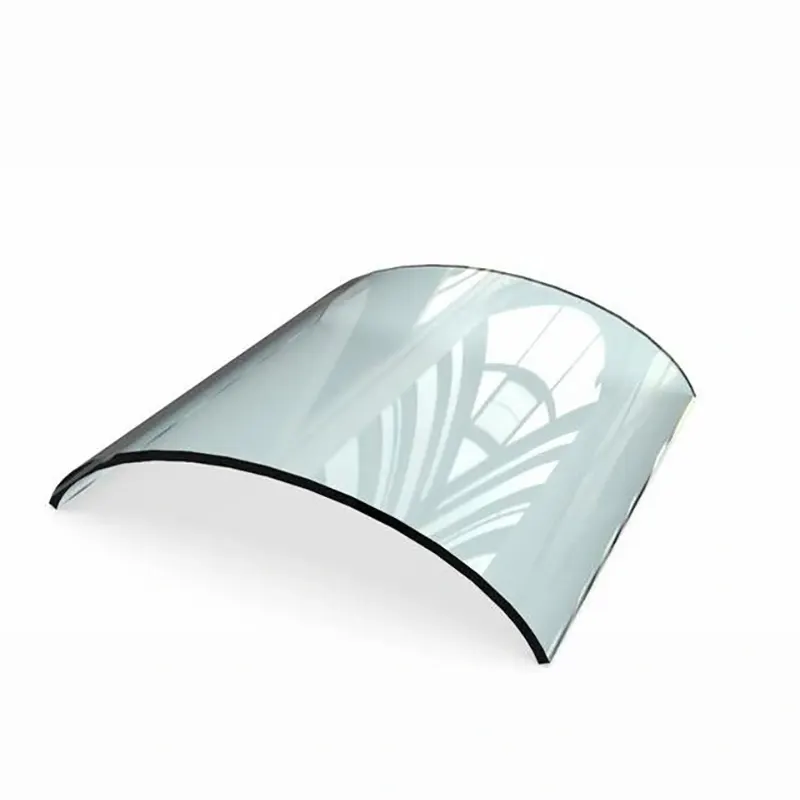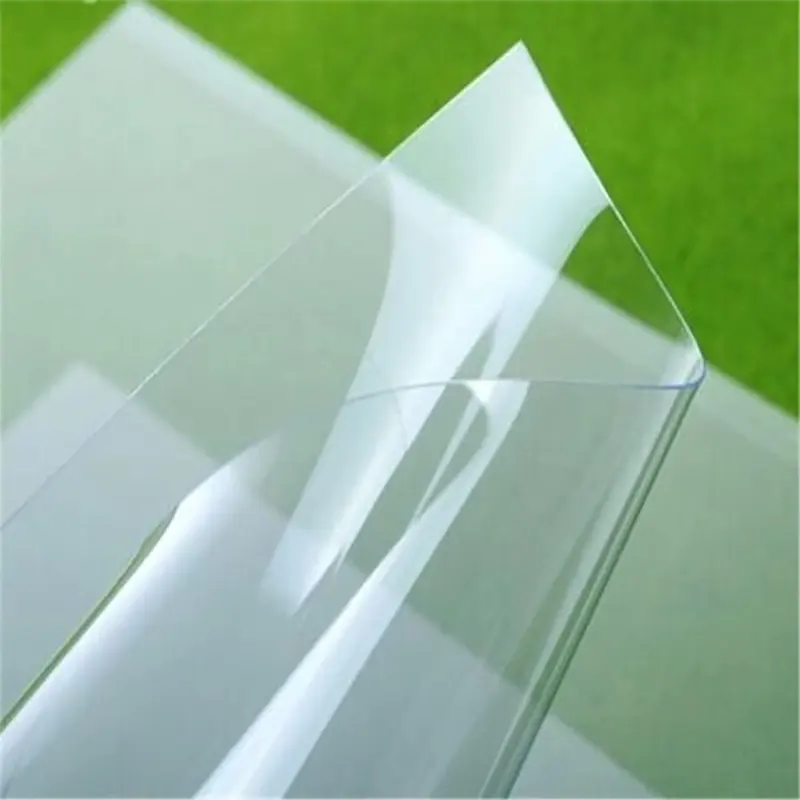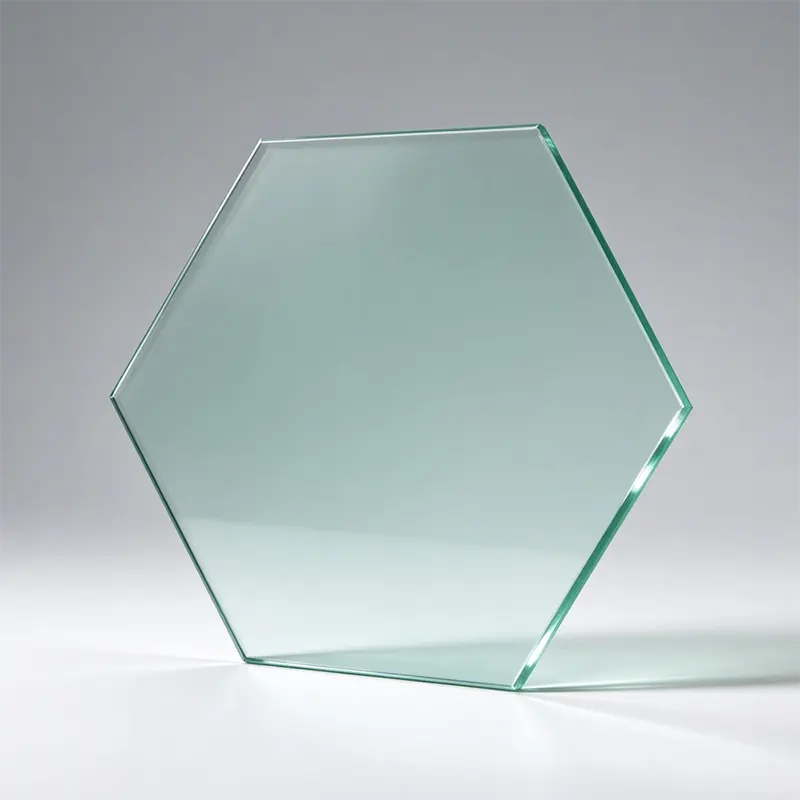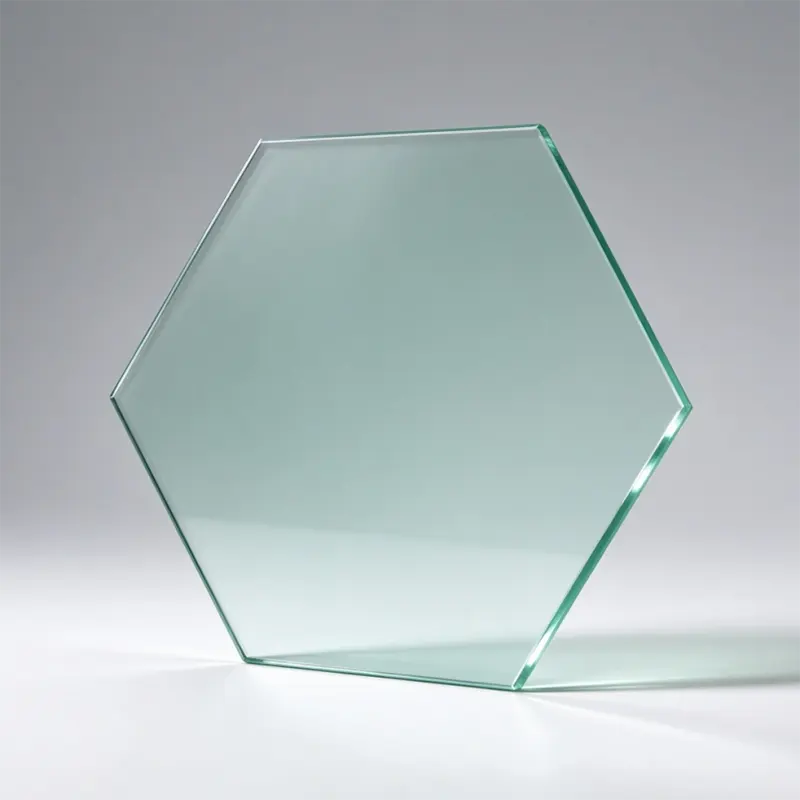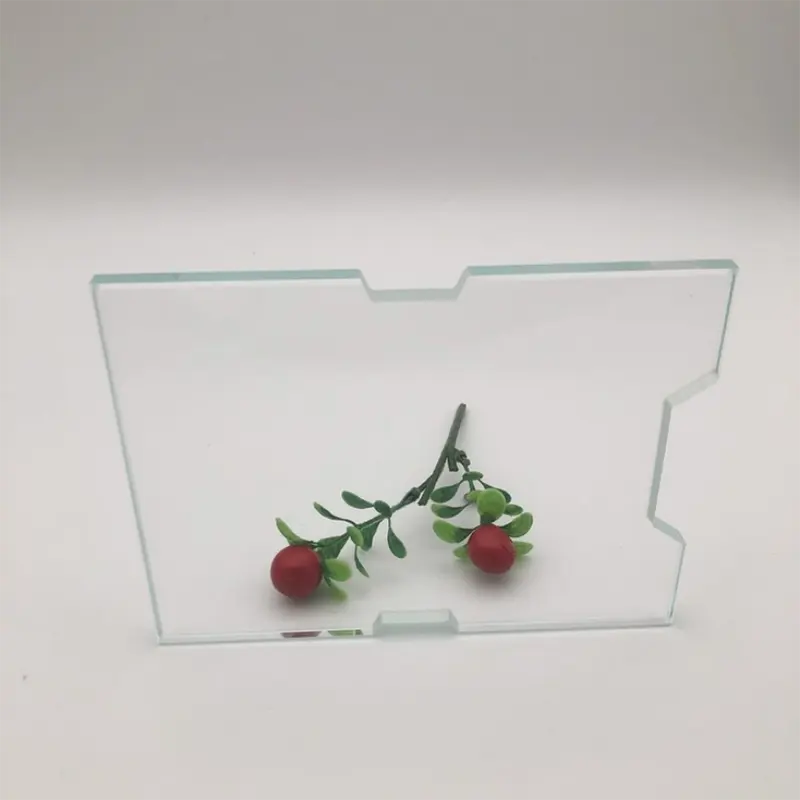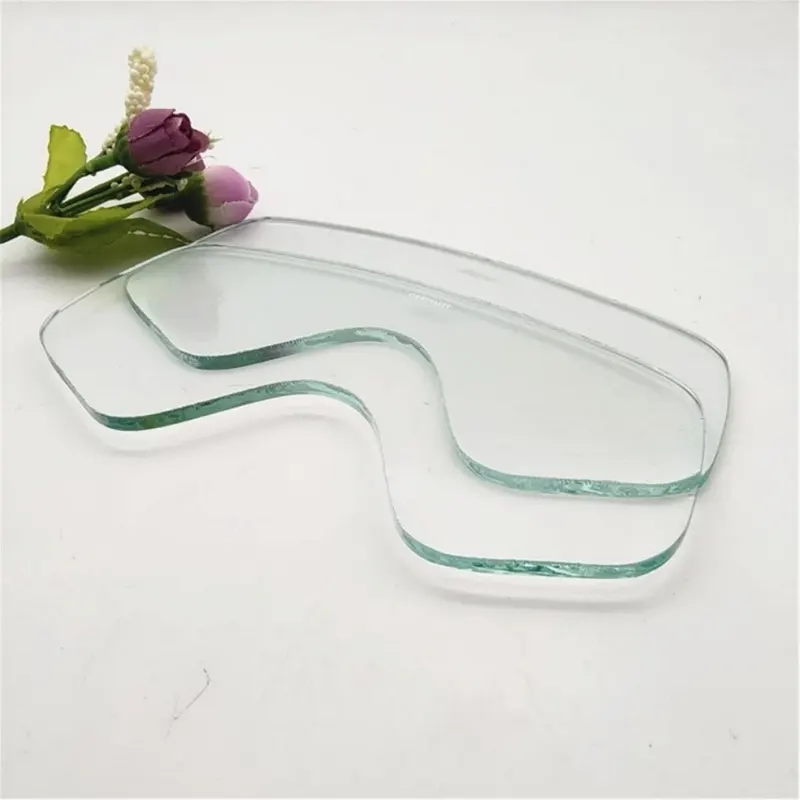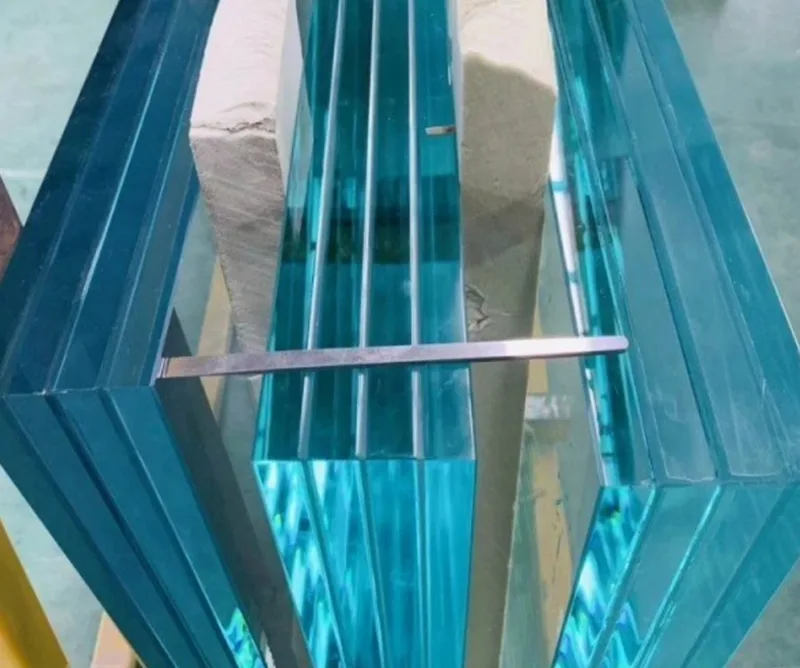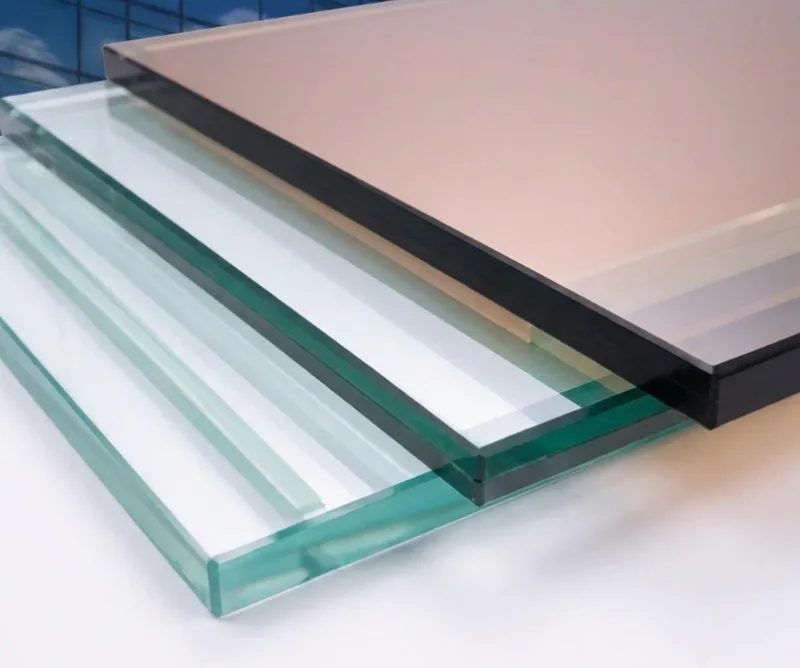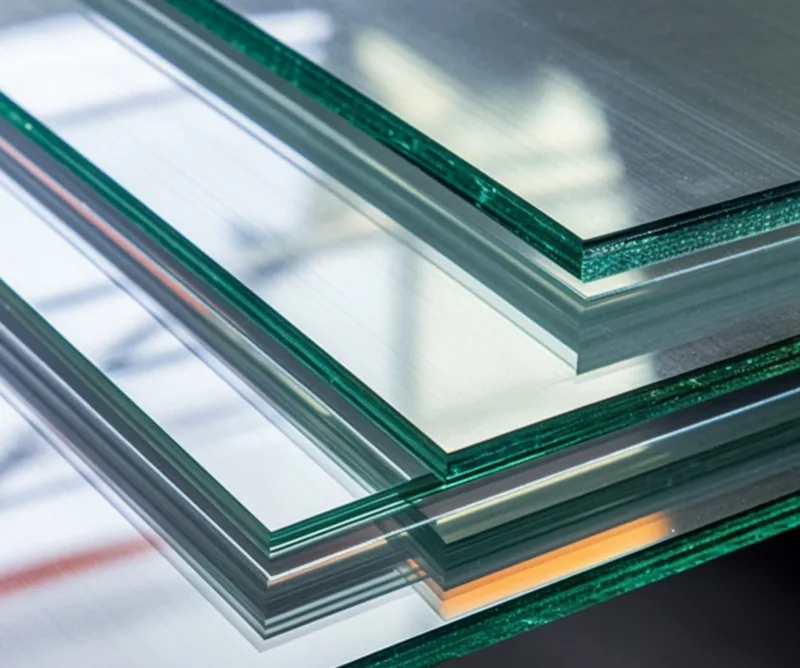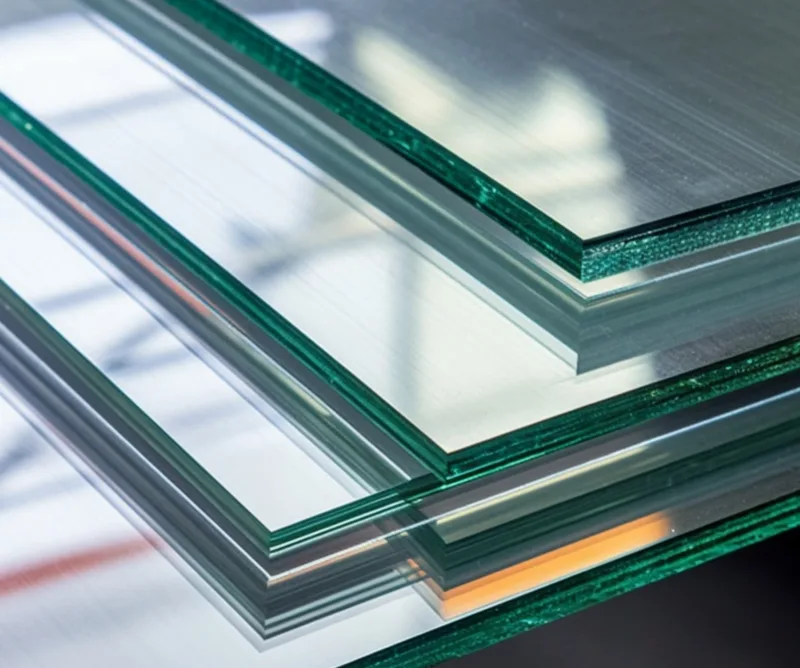
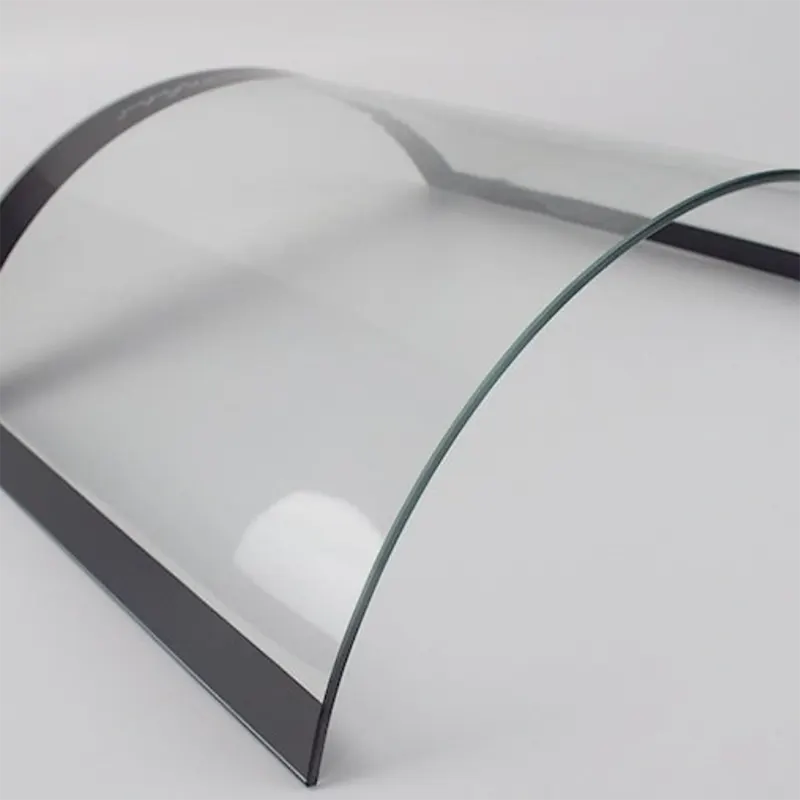
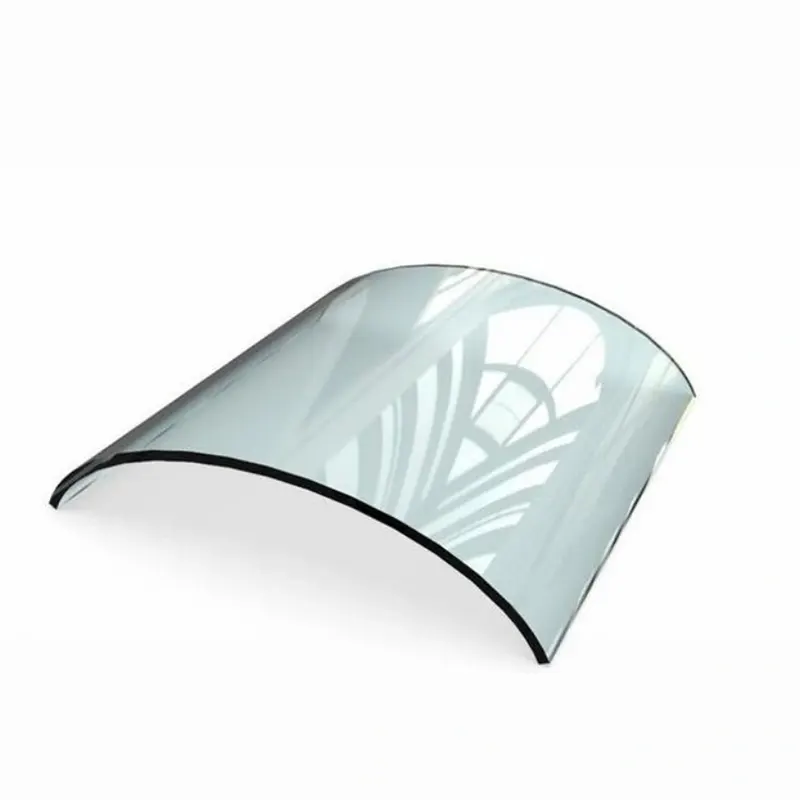
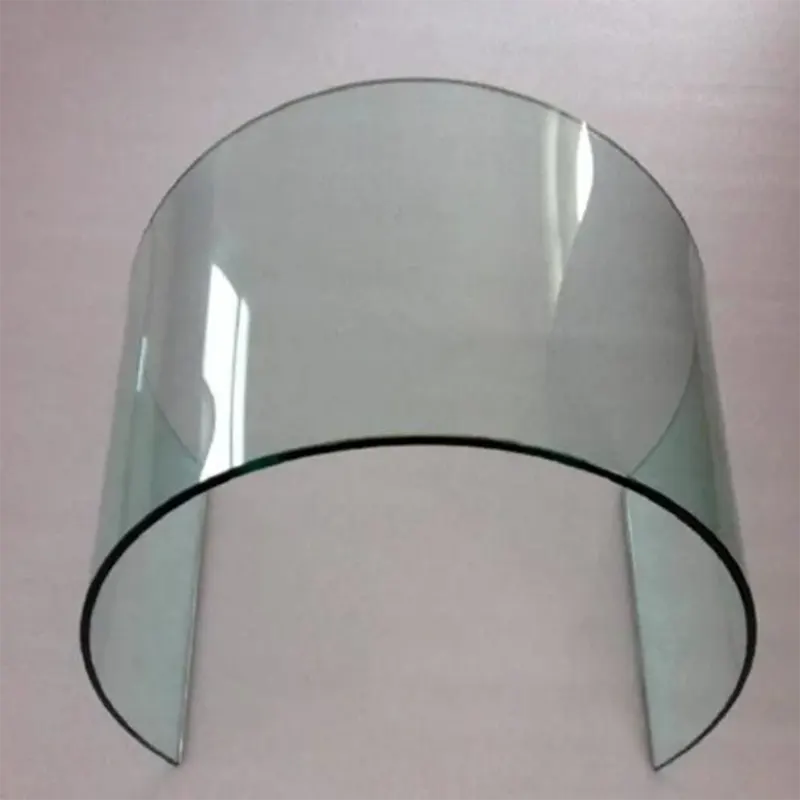
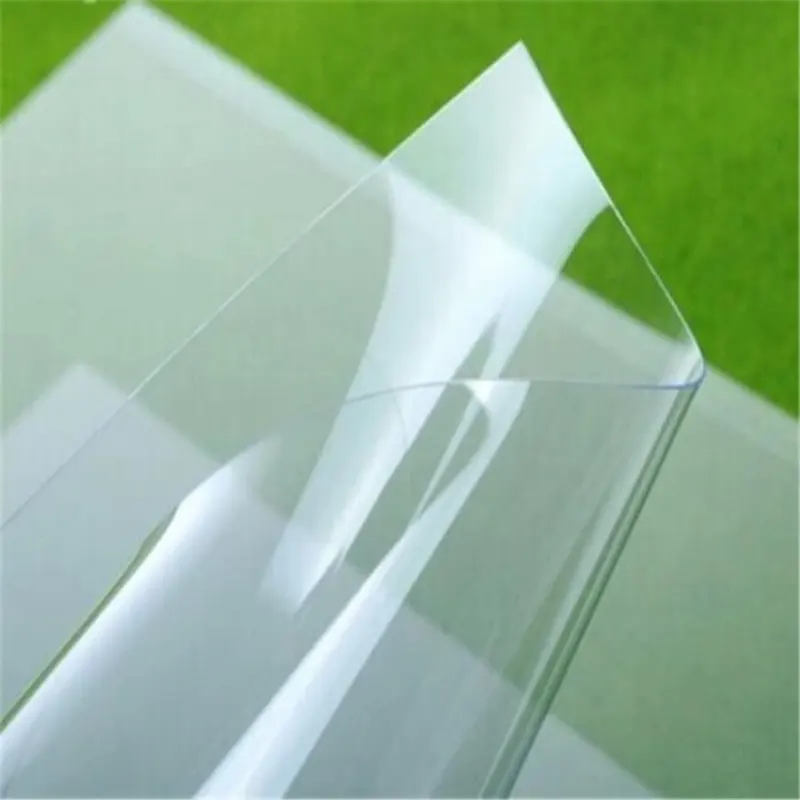
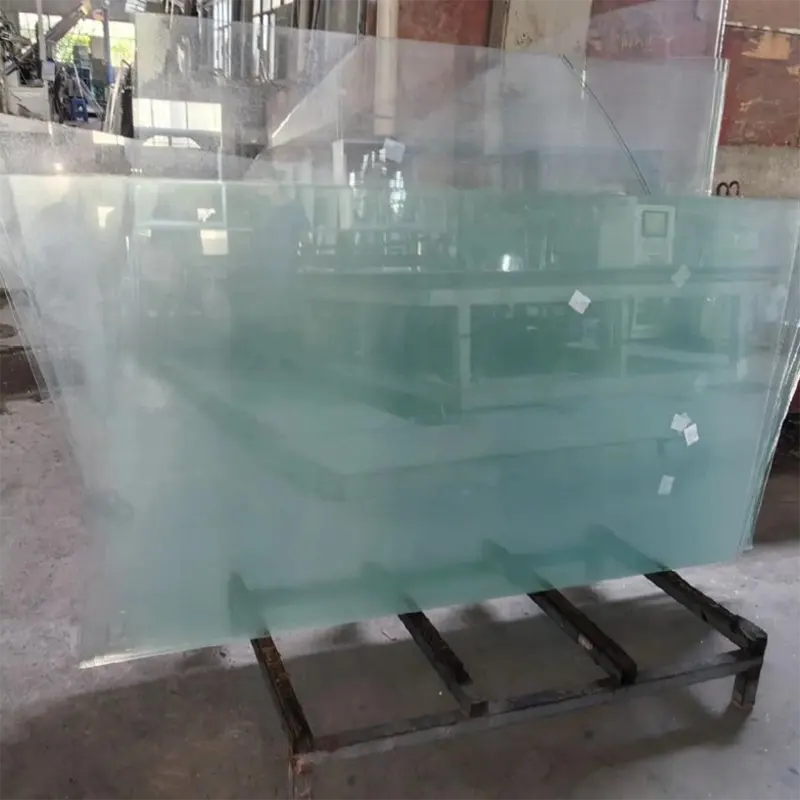
Tianjin Tianbo Glass manufactures and supplies Ultra-Clear Complex-Shaped Glass for Furniture as part of its architectural glass deep-processing solutions. Made with low-iron glass, it offers high light transmission and a clearer appearance with less green tint than ordinary clear glass. The panels can be processed into customized contours for tabletops, cabinet doors, shelving, display stands and decorative furniture components. Cutting, edging, polishing and drilling are available according to furniture drawings, with tempering options for applications requiring enhanced strength and safety. Custom thicknesses, edge profiles, hole positions and surface finishes can be discussed according to project requirements. Customized and wholesale orders are welcome for furniture manufacturers, designers and commercial projects.
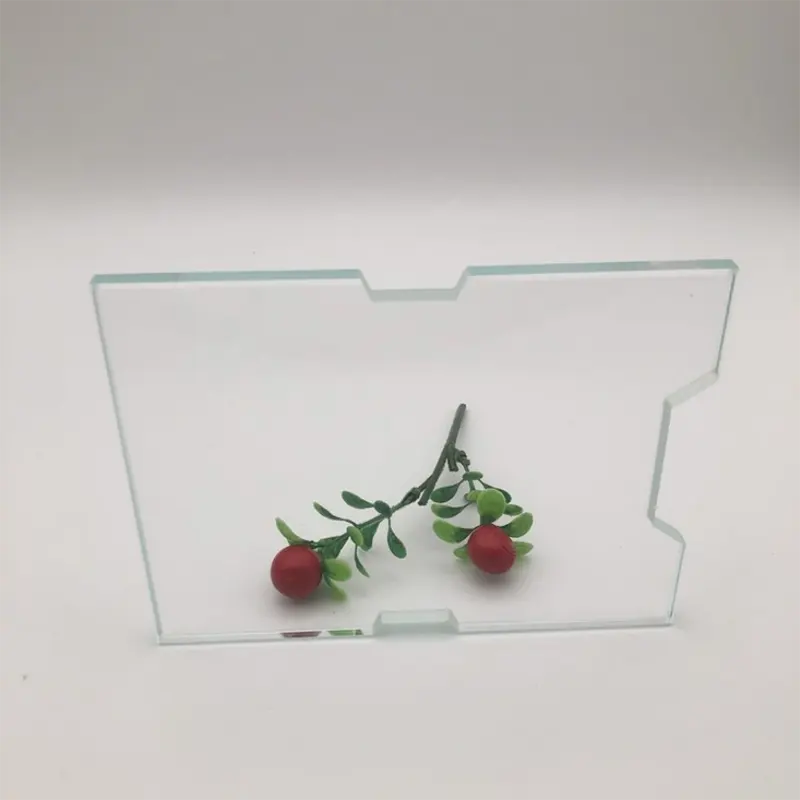
Ultra-Clear Complex-Shaped Glass for Furniture is made from low-iron glass and processed into customized contours through cutting, edging, drilling and polishing. The low iron content helps reduce the green tint commonly seen in ordinary clear glass, providing a cleaner appearance for furniture with high transparency requirements. During processing, attention is given to contour accuracy, edge quality, hole positions and surface condition. Depending on the intended application, the glass can also undergo tempering to improve its mechanical strength. The finished panels can be manufactured according to furniture drawings and installation requirements, combining customized shapes with a clear visual appearance.
High transparency for furniture design: Low-iron glass reduces the greenish appearance associated with ordinary clear glass. Its clearer visual effect helps show the color, texture and structure of furniture materials such as wood, metal and stone. It is suitable for tabletops, cabinet doors, shelves and decorative panels where transparency is important.
Flexible complex-shape processing: Cutting, grinding, drilling and polishing can be carried out according to furniture drawings. Irregular contours, rounded corners, curved edges and customized openings can be processed to match different furniture designs and installation structures.
Controlled edge and hole processing: Edge smoothness, hole dimensions and processing positions are important for furniture glass installation. Appropriate processing and inspection help reduce edge defects and fitting problems, while ensuring that the finished panels match the specified hardware and supporting structures.
Tempering options for different applications: The glass can be supplied in a tempered configuration when required by the application. Tempering can improve mechanical strength and changes the breakage behavior of the glass. The appropriate glass type and thickness should be selected according to furniture design, installation conditions and applicable safety requirements.
Customized specifications and bulk supply: Thickness, dimensions, contours, edge profiles and surface finishes can be coordinated according to project drawings. Tianjin Tianbo Glass supports customized processing and wholesale supply for furniture manufacturers, design studios and commercial furniture projects.
| Parameter | Specification |
| Glass Type | Ultra-Clear Low-Iron Glass |
| Appearance | Clear / Tempered, Subject to Configuration |
| Glass Processing | Cutting, Edging, Drilling, Polishing and Tempering |
| Technics | Physical Tempering, Where Required |
| Usage | Furniture, Cabinet Doors, Tabletops, Shelves and Display Stands |
| Production Process | Customized Cutting, Hole Processing and Edge Finishing |
| Specification | Customized According to Drawings and Dimensions |
| Shape | Regular / Irregular / Customized Contours |
| Color | Ultra-Clear, Clear and Other Available Options |
| Feature | High Transparency and Customized Shape Processing |
| Edge Treatment | Flat Polished / Beveled / Chamfered / Customized |
| Thickness | Customized According to Project Requirements |
| Surface Finish | Clear / Frosted / Other Available Finishes |
| Transport Package | Seaworthy Wooden Cases with Protective Foam |
| Origin | China |
The processing method for Ultra-Clear Complex-Shaped Glass for Furniture depends on the final furniture design, panel dimensions and installation requirements. Different processing steps can be combined to produce panels with customized outlines, openings and edge details.
Glass panels can be cut according to approved drawings to create rectangular, circular, oval, rounded-corner and other irregular shapes. For non-standard furniture components, the contour and dimensions should be confirmed before production to ensure compatibility with the furniture structure.
Glass edges can be processed with flat polishing, beveling or chamfering according to the required appearance and installation method. Proper edge finishing helps remove sharp edges and improves the finished appearance of tabletops, shelves and decorative panels.
Holes and cutouts can be positioned according to furniture hardware and assembly drawings. Their diameter, location and edge clearance should be confirmed before production. For glass that will undergo tempering, drilling and other necessary mechanical processing must be completed beforehand.
Tempering can be arranged where required by the application and glass specifications. Other surface options, such as frosting or printing, can be evaluated according to processing compatibility. The final combination of glass type, thickness and surface treatment should be confirmed before production.
For complex furniture designs, customers can provide CAD drawings, dimensions or physical samples for review. Confirming the shape, edge details, hole positions and surface appearance before batch production helps reduce processing errors and installation adjustments.
Dining tables, coffee tables and side tables: The glass can be used for furniture tabletops with rectangular, circular, oval or irregular outlines. Customized cutting and edge finishing help match different table designs, while the transparent surface allows the supporting materials, such as wood or metal, to remain visible.
Cabinet doors, shelves and storage furniture: Suitable for cabinet doors and shelves used in dining cabinets, display cabinets, bookshelves and TV units. Customized contours and drilled holes can be coordinated with hinges, handles, shelf supports and other hardware.
Commercial display cabinets and props: Can be used for display cabinets, shelving and decorative panels in retail stores, exhibition halls and hotel interiors. The clear glass appearance helps display products while customized shapes support different commercial display layouts.
Customized furniture and designer projects: Suitable for furniture manufacturers, design studios and interior projects requiring non-standard glass components. Irregular outlines, rounded corners and customized openings can be processed according to drawings for decorative screens, furniture panels and other personalized furniture elements.
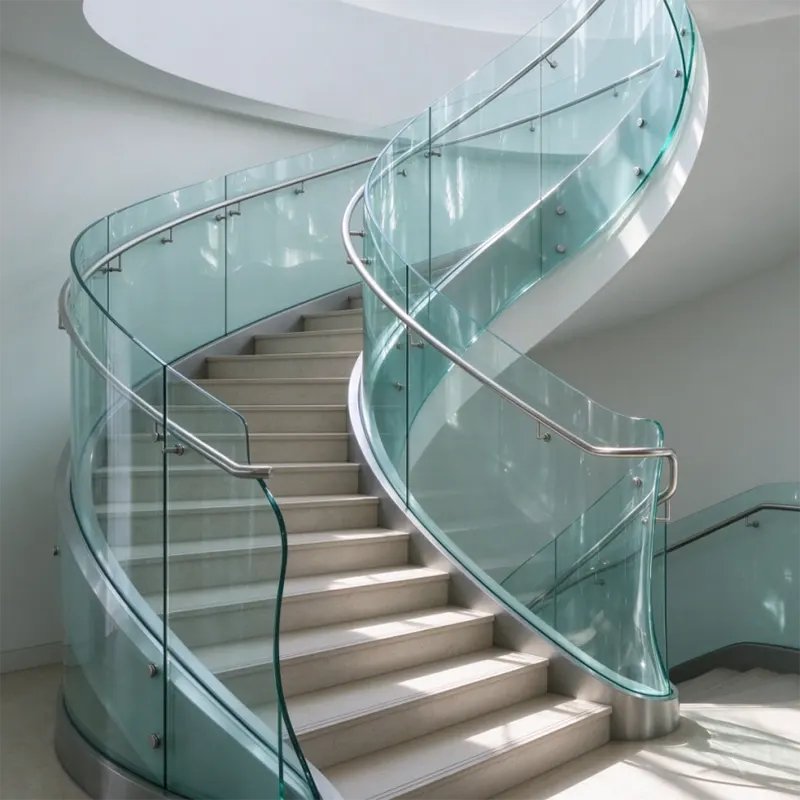
When selecting Ultra-Clear Complex-Shaped Glass for Furniture, the glass specifications should be considered together with the furniture structure, intended use and installation method. Confirming the following details before production helps improve dimensional accuracy and reduce fitting problems.
Identify whether the glass will be used for a tabletop, cabinet door, shelf, display panel or decorative component. Different applications have different requirements for thickness, support, impact resistance and edge finishing. The intended use should be confirmed before selecting the glass configuration.
Glass thickness should be evaluated according to panel dimensions, support spacing, expected loads and installation conditions. Large tabletops and unsupported sections may require different specifications from small cabinet panels. The final thickness should be confirmed with the furniture design and relevant safety requirements.
Provide the overall dimensions, contour details, corner radii and any curved sections. For irregular panels, CAD drawings or dimensioned templates help communicate the required shape more accurately. Confirm the measurement reference and allowable tolerances before production.
Specify the required edge treatment, such as flat polishing, beveling or chamfering. If the glass requires holes or cutouts for hinges, handles or supports, provide their exact positions and dimensions. These details should be finalized before tempering.
Confirm the frame, brackets, clips, hinges and other supporting hardware. The glass should fit the installation structure without forced pressure or uneven support. Appropriate clearances and contact protection should be considered to reduce the risk of edge damage.
| Selection Factor | Information to Confirm |
| Furniture Application | Tabletop, cabinet door, shelf or decorative panel |
| Glass Type | Ultra-clear low-iron glass and required configuration |
| Dimensions | Length, width, thickness and contour details |
| Shape | Regular, irregular, curved or customized outline |
| Edge Processing | Flat polished, beveled or chamfered |
| Hole Processing | Hole diameter, position and cutout dimensions |
| Surface Treatment | Clear, frosted, printed or other available finishes |
| Installation | Frame, hardware, support points and fitting method |
| Order Details | Quantity, packaging and delivery destination |
Use suitable cleaning products: When cleaning the glass, first remove surface dust with a soft cloth or sponge. Then use a neutral glass cleaner and clean water to wipe the surface. Avoid abrasive powders, steel wool, sharp tools and strongly corrosive cleaning agents that may scratch or damage the glass.
Protect irregular edges and hole positions: Complex contours and drilled openings require careful handling. Avoid impacts on corners, hole edges and processed sections. Do not place excessive concentrated loads on unsupported areas, as localized pressure may increase the risk of glass damage.
Avoid sudden temperature changes and unsuitable chemicals: Do not place high-temperature objects directly on the glass surface unless the product is specifically designed for that use. Avoid prolonged contact with strong solvents, corrosive agents and unsuitable cleaning chemicals.
Inspect installation components regularly: Check the glass surface for scratches, cracks and edge damage. Also inspect hardware, shelf supports, brackets and frame fixings to ensure that the glass remains securely installed. If damage or looseness is found, stop using the affected component and contact qualified personnel for inspection.
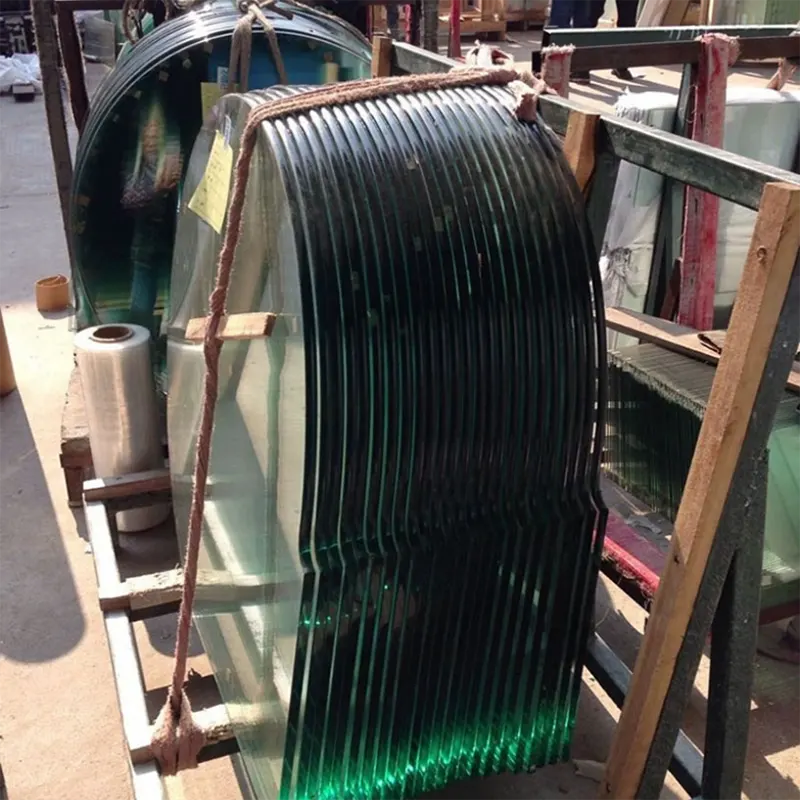
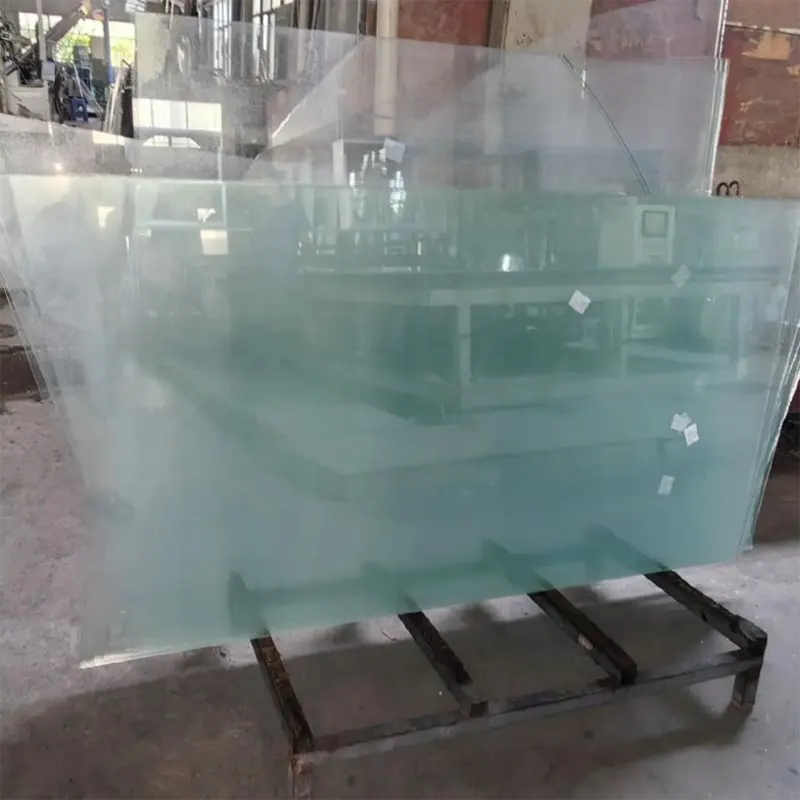
Yes. We can discuss mixed orders involving different glass types, dimensions and thicknesses. Packaging and loading arrangements depend on the product specifications, quantities and transportation requirements.
Yes. Customers with genuine project or purchasing requirements are welcome to visit our factory. Factory visits can be arranged to review production facilities, processing procedures and order requirements.
MOQ is evaluated according to glass dimensions, shape complexity, processing requirements and order quantity. Samples can be arranged according to the project. Whether a sample fee applies and whether it can be deducted from a subsequent batch order should be confirmed individually.
Protective film, foam, wooden frames and wooden cases can be used according to the glass dimensions and transportation conditions. Special attention is given to irregular edges, corners and drilled openings. If damage is found upon receipt, take photographs promptly and contact the sales team for assistance.
Yes, where the selected glass type and processing requirements are suitable for tempering. Cutting, drilling, notches and edge finishing should be completed before the tempering process. The final processing sequence should be confirmed according to the product specifications.
Please provide the glass dimensions, thickness, shape drawings, edge treatment, hole positions, surface finish, quantity and intended application. CAD drawings or reference samples can help us evaluate the processing requirements and prepare a more accurate quotation.
Address
50 meters south of the intersection of Road No. 7 and Yanfeng West Road, North Zone, High-tech Industrial Park, Ziya Economic and Technological Development Zone, Tianjin, China
Tel