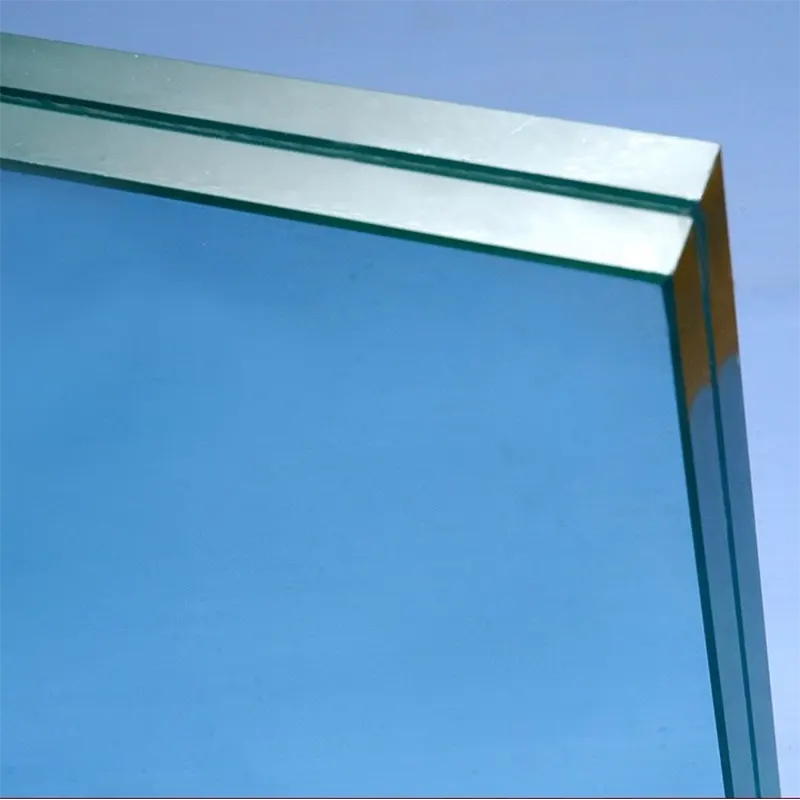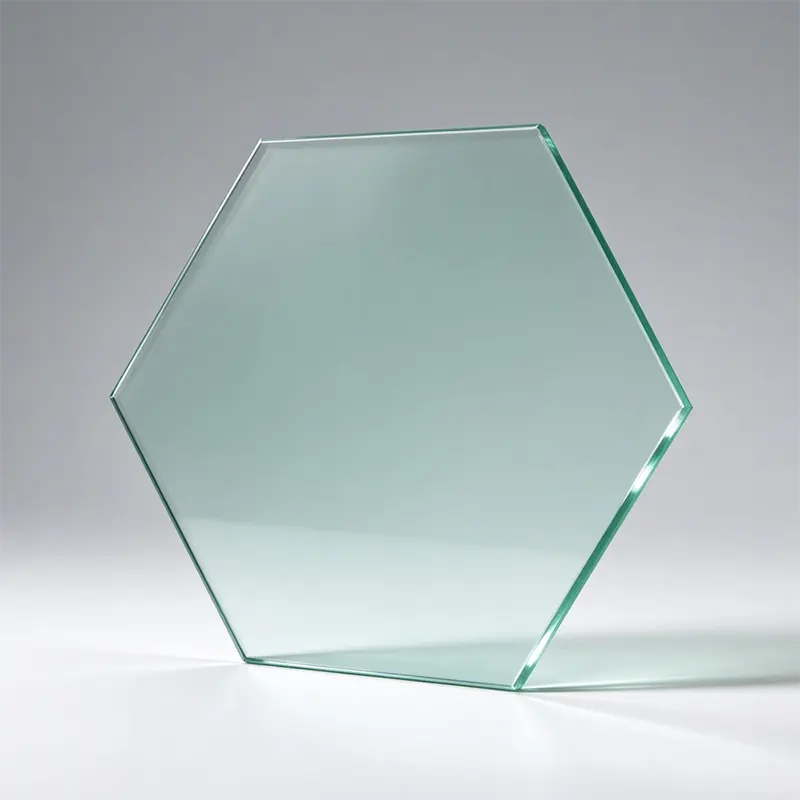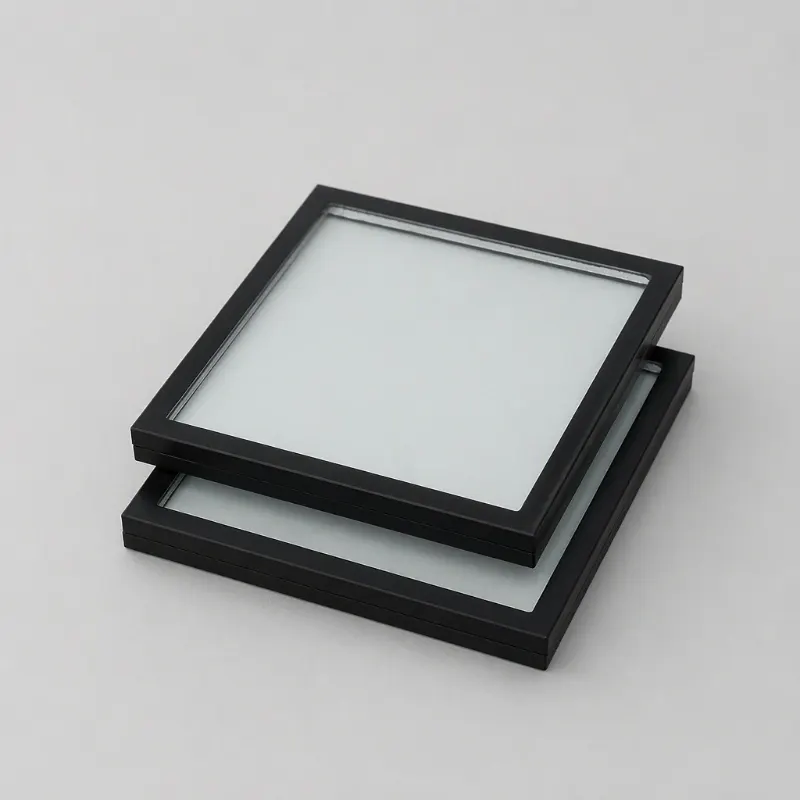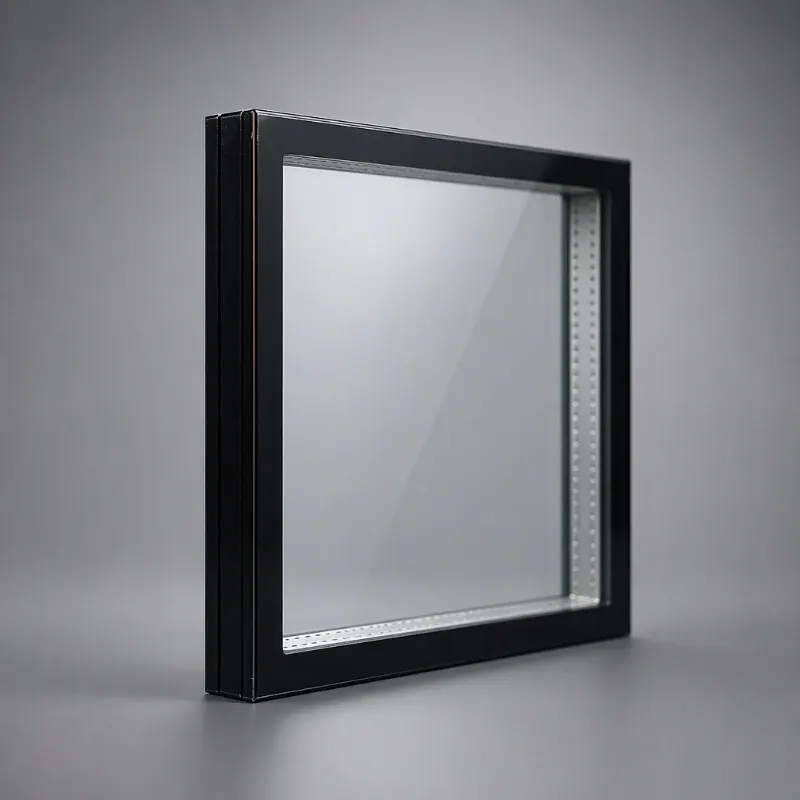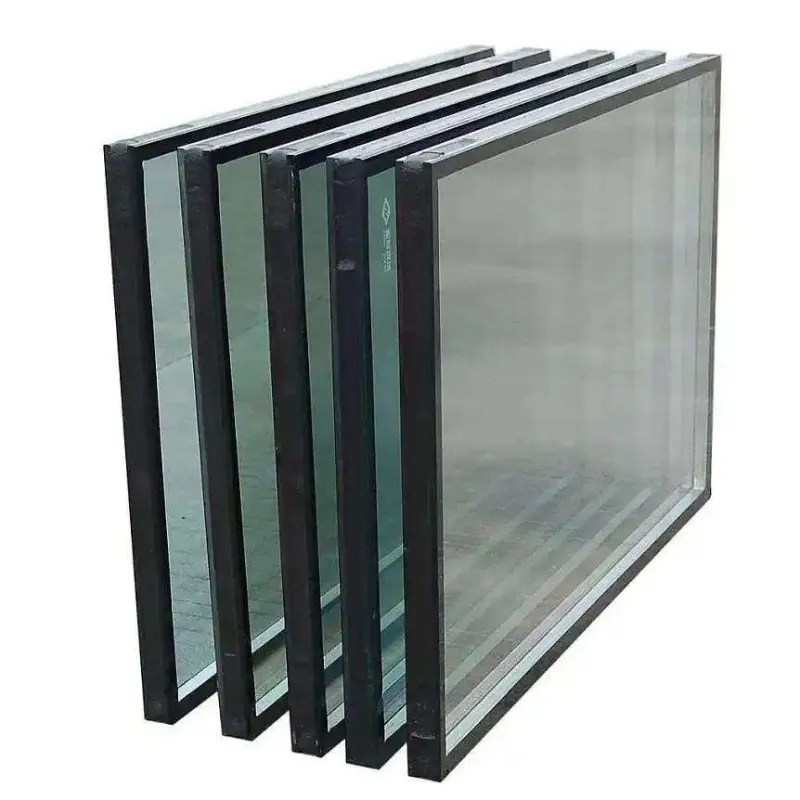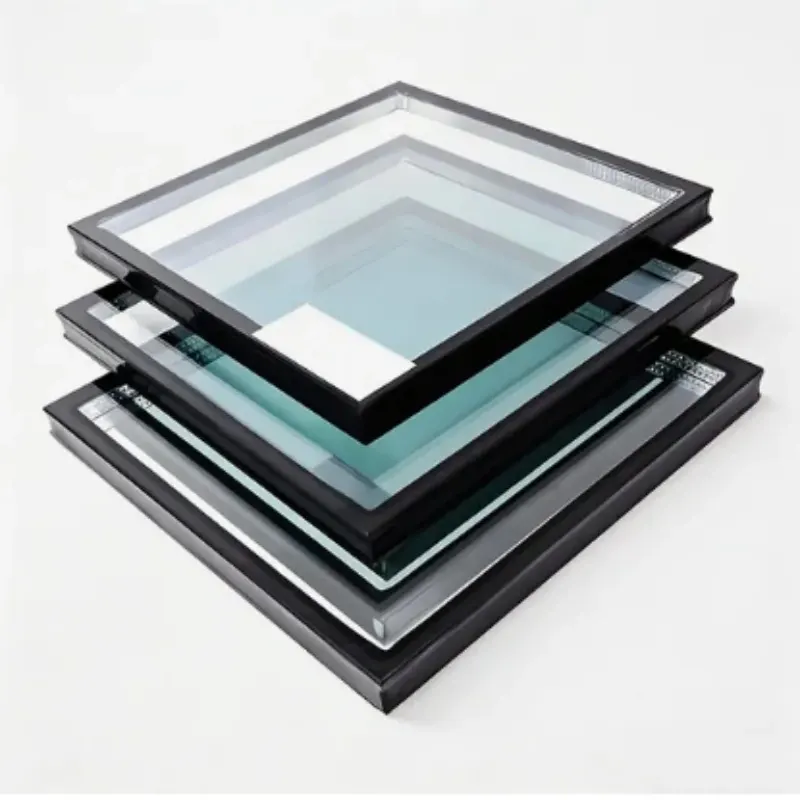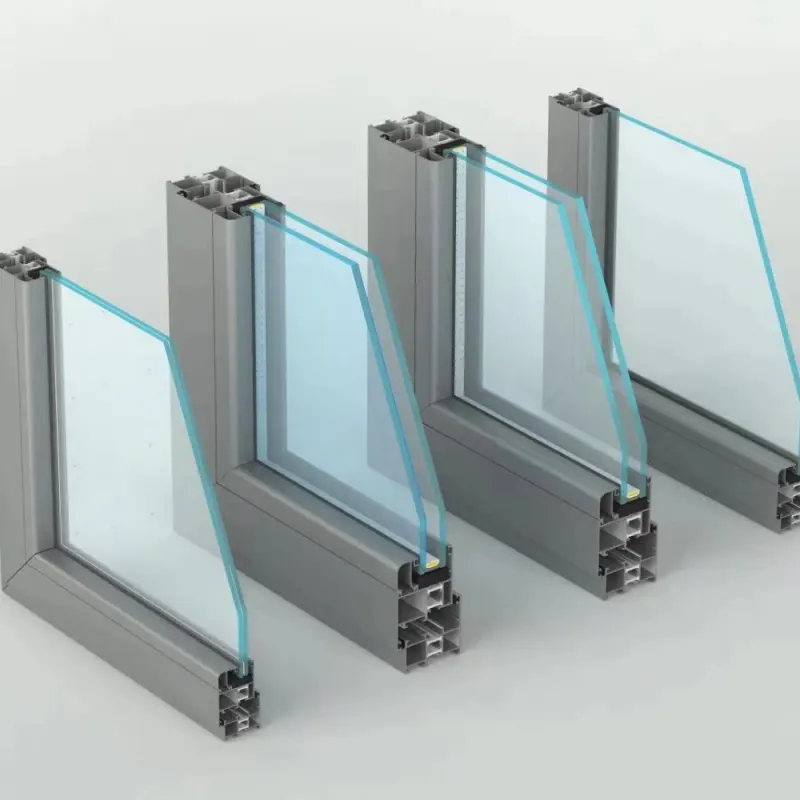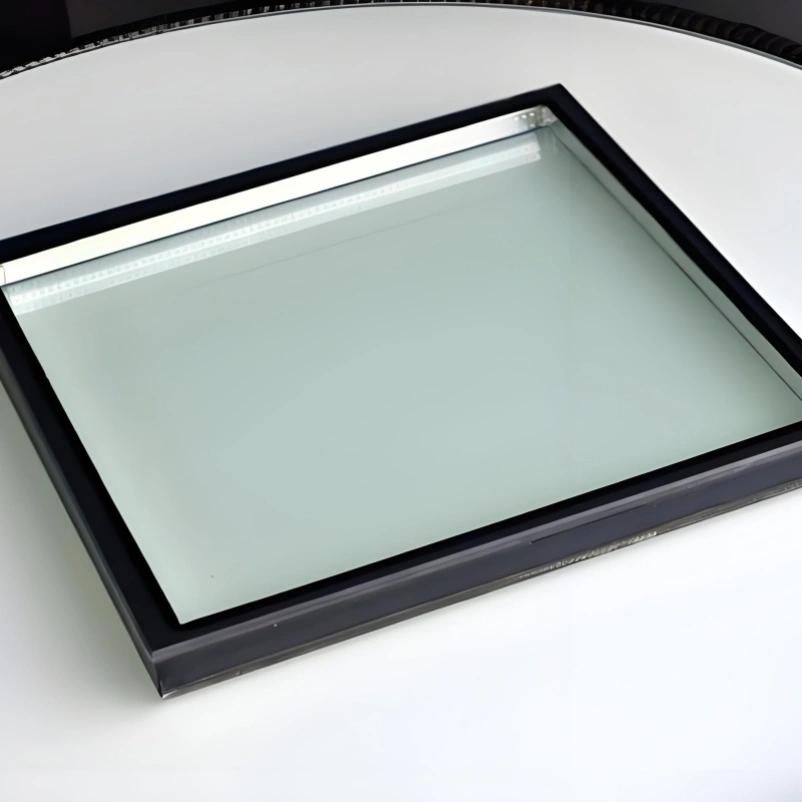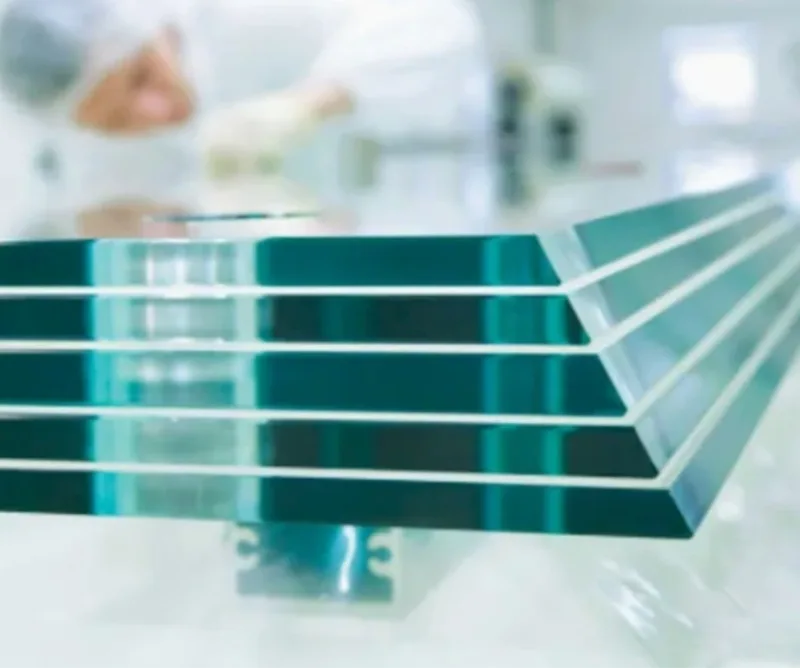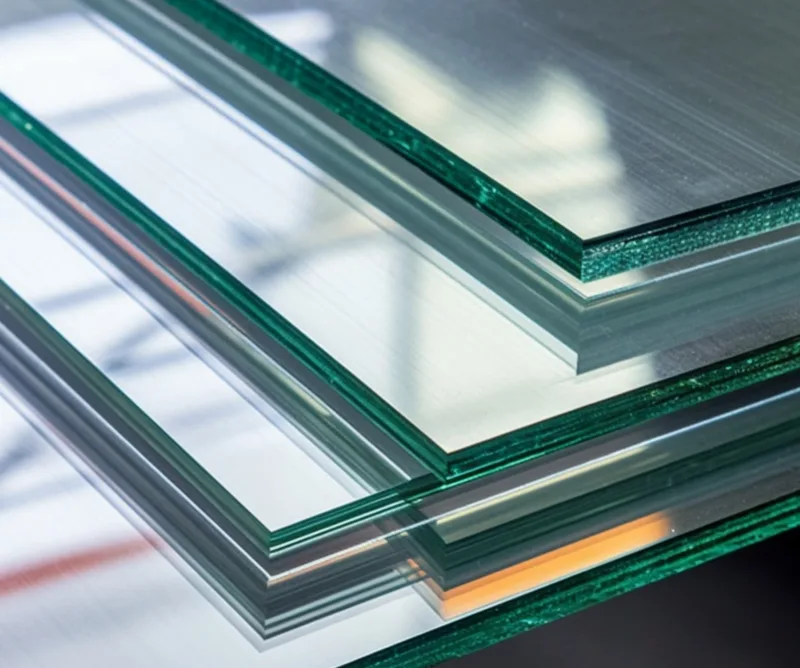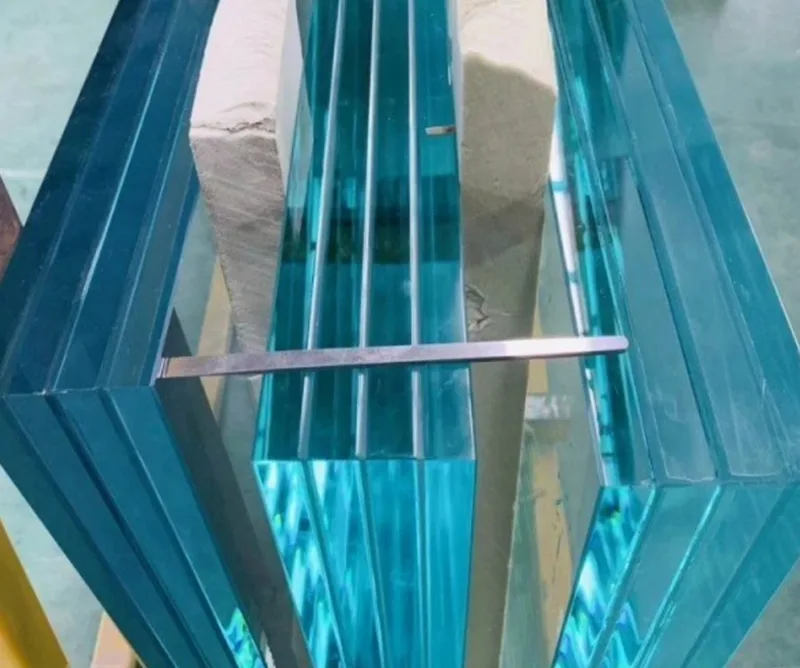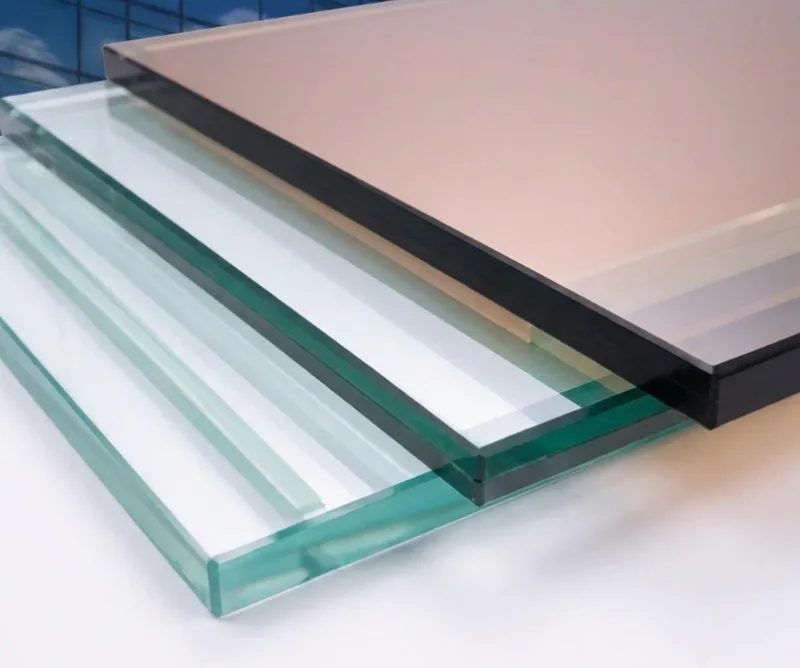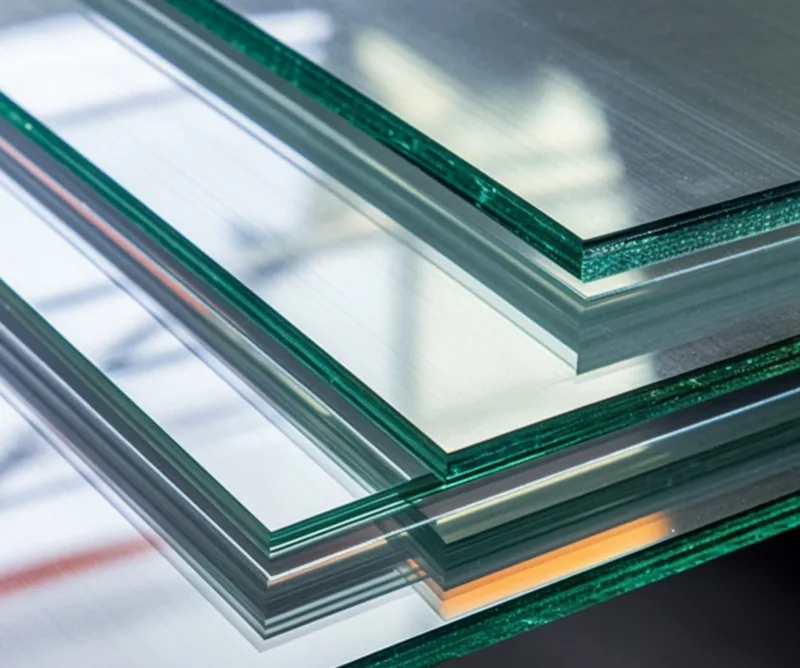
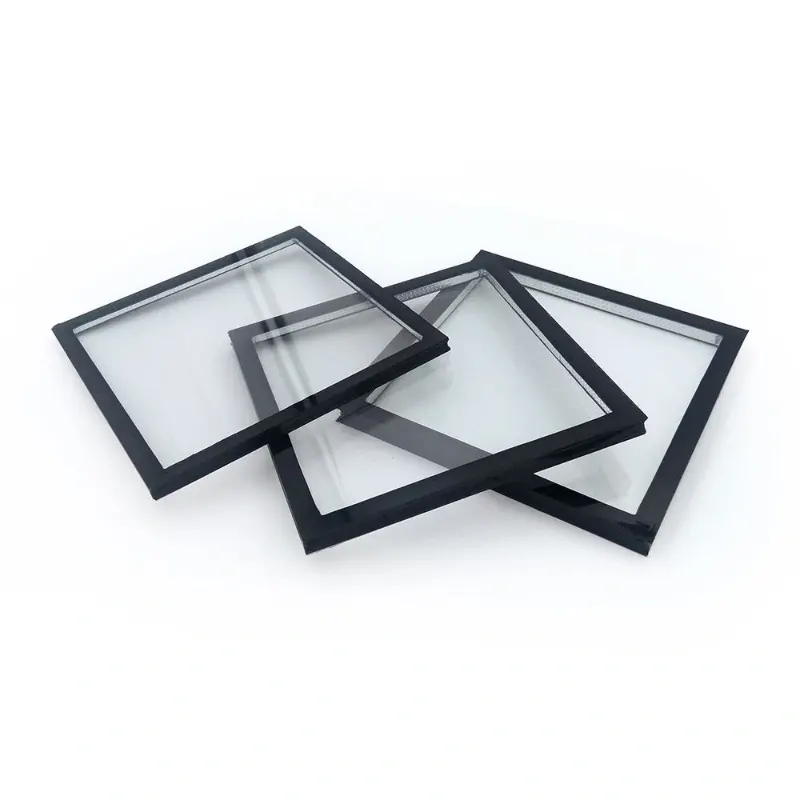
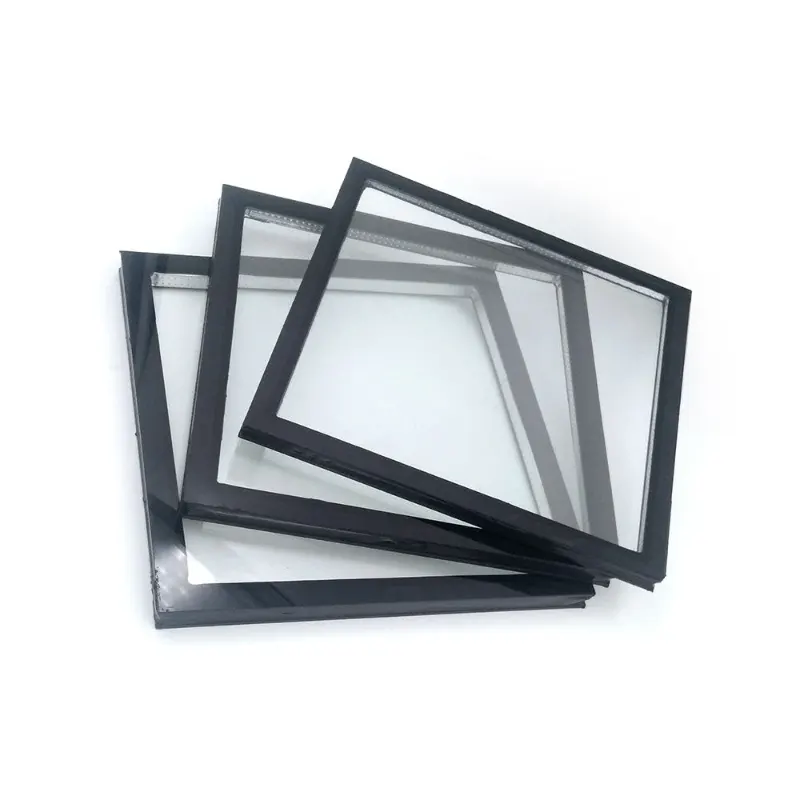
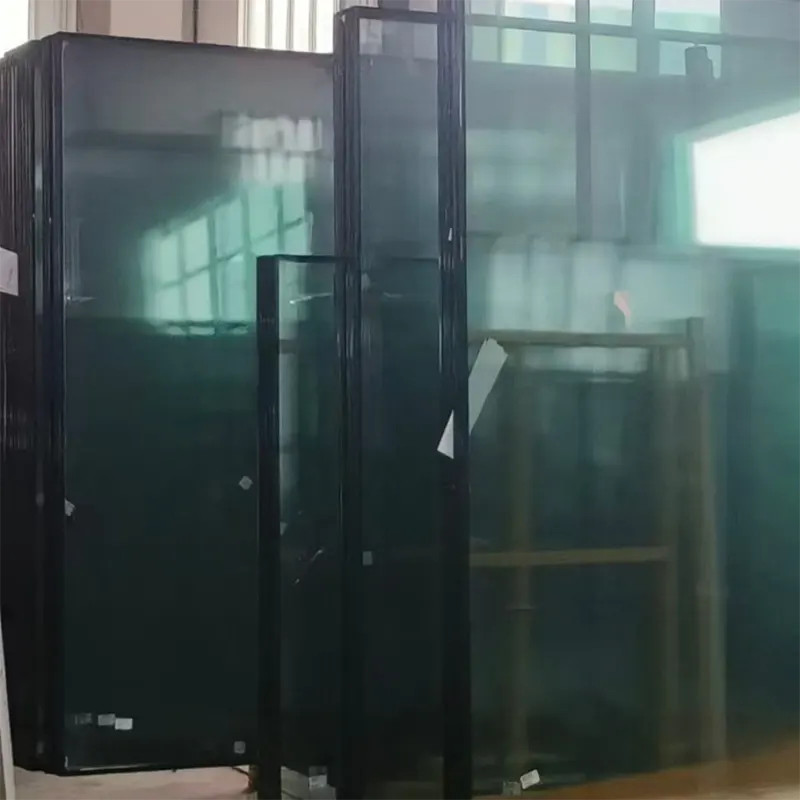
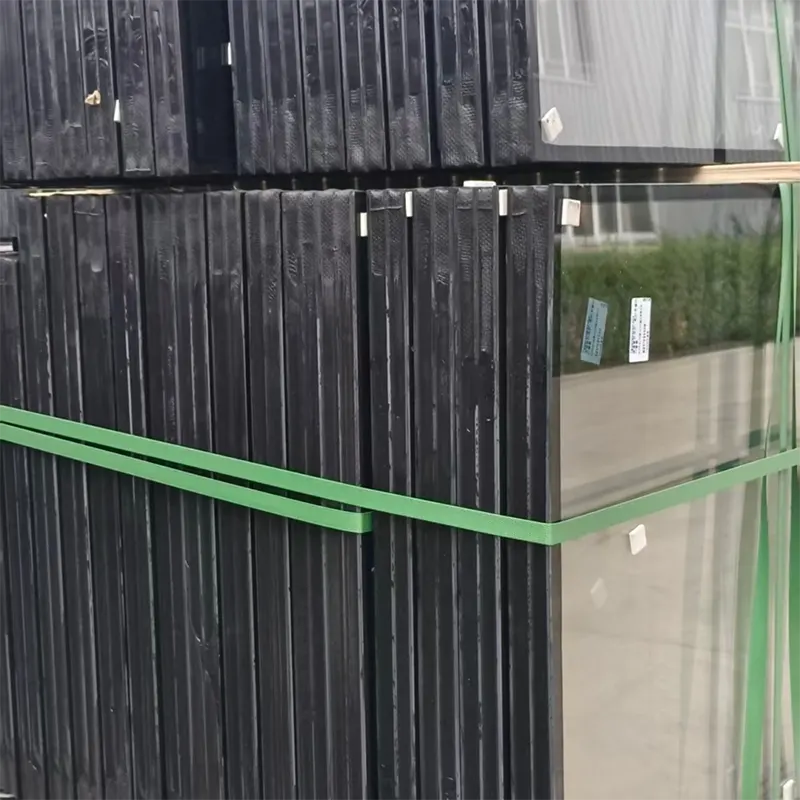
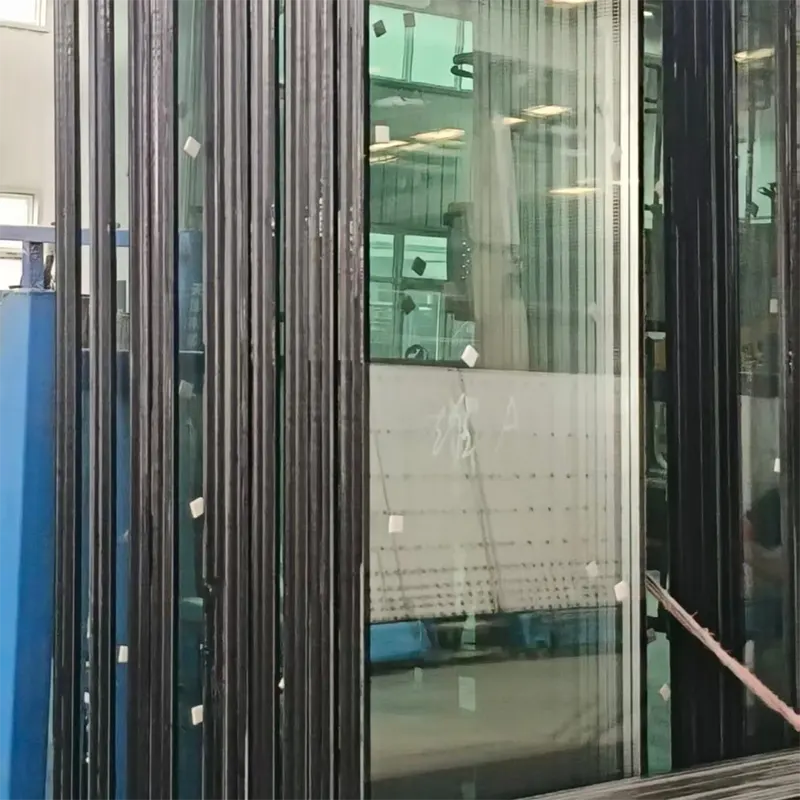
Basic composition: Low-E Double Glazed Insulated Glass for Curtain Wall consists of two pieces of glass, Low-E coating layer, spacer strip, desiccant, and sealant. Through the combination of materials and structure, it achieves insulation, lighting, and anti condensation.
The function and process of Low-E film layer: Low-E film layer is usually deposited on the surface of glass through vacuum magnetron sputtering and other processes. It can reflect far-infrared thermal radiation, reduce indoor and outdoor heat exchange, and maintain visible light transmission as much as possible.
Hollow cavity and gas filling: A sealed hollow cavity is separated between two pieces of glass by a spacer strip, and the cavity is filled with dry air or inert gas to reduce conduction and convective heat transfer; Desiccants help keep the chamber dry and reduce the risk of condensation.
Splicing and sealing process: During production, the original sheet is first cut, edged, cleaned, and necessary tempered. Then, the sheet is laminated according to the film surface position, and spacer strips and desiccants are placed. Butyl rubber and peripheral sealant are used to form a double seal. After curing, inflation, and inspection, it becomes a stable unit.
Balance of finished product performance: The sealed structure keeps the hollow cavity dry and stable, achieving a balance between lighting, insulation, and anti condensation for the curtain wall, suitable for building facades that require energy efficiency and indoor comfort.
|
Customization |
Available |
|
After-sales Service |
Yes |
|
Warranty |
Yes |
|
Type |
Insulated Glass/Double Glazing Glass |
|
Shape |
Flat |
|
Structure |
Solid |
|
Glass Thickness |
Customized |
|
Energy Transfer |
Heat Insulation |
|
Deep Processing Depth |
Hollow Glass |
|
Color |
Clear or Customized |
|
Usage |
Furniture, Door, Building, Window, Curtain Wall |
|
Color Optional |
Clear or Customized |
|
Delivery Time |
About 15-25 days |
|
Transport Package |
Seaworthy Plywood Crate |
|
Thickness |
Customized |
|
Specification |
Customized |
|
Origin |
China |
|
Production Capacity |
600000 square/Year |
First, determine the performance goals based on the curtain wall system and project climate: Before selecting, the climate, facade orientation, window to wall ratio, and energy-saving indicators of the project location should be clearly defined, and then the film system, shading, and lighting requirements of Low-E Double Glazed Insulated Glass for Curtain Wall should be determined. Different orientations have different requirements for insulation and permeability, avoiding the use of a single configuration throughout the entire building.
The position of the Low-E film surface should match the design of the hollow cavity: the position of the film surface will affect shading, heat transfer, and condensation performance, and the width of the hollow cavity and gas type need to be determined based on the insulation target and the thickness of the frame. When selecting, the manufacturer should evaluate the orientation of the membrane surface, cavity configuration, and edge sealing based on the curtain wall nodes, rather than just looking at the name "Low-E".
The glass substrate and safety configuration are determined according to the curtain wall location: the glass thickness and whether to use tempered or laminated configuration are evaluated based on the grid size, wind pressure, installation height, and personnel safety requirements. High rise curtain walls and exposed areas should pay attention to debris control and fall prevention. If necessary, a sandwich hollow composite solution should be used instead of selecting based solely on insulation requirements.
Synchronization confirmation of spacing strips, sealing, and anti condensation nodes: The curtain wall is subjected to temperature and humidity changes for a long time, and the type of spacing strip, double sealing, desiccant, and drainage design will affect the stability of the central cavity and edge condensation. When selecting, the frame nodes, adhesive joints, and drainage paths should be checked to ensure that the glass matches the curtain wall system.
Sample and verify certification and acceptance standards before batch production: It is recommended to confirm the sample or small batch first, check the color, transparency, film surface appearance, and edge sealing; Verify 3C and other relevant information, as well as project energy-saving and safety requirements. The contract specifies the configuration, film surface position, packaging protection, and patch method for batch supply and engineering acceptance.
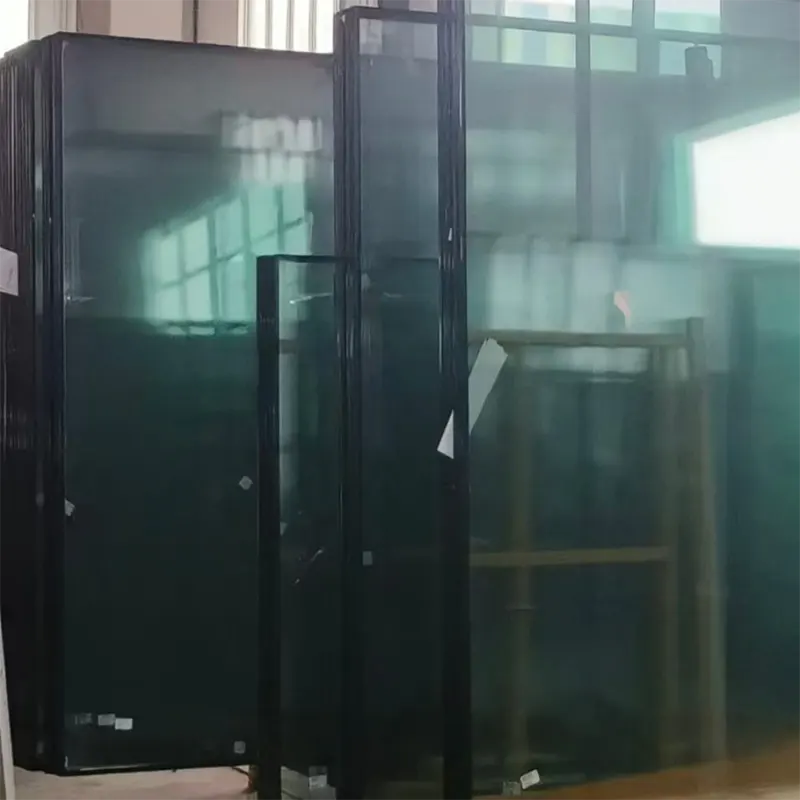
Low radiation glass is a high-performance low radiation glass produced by Tianbo, which has introduced the most advanced vacuum sputtering coating equipment and technology from the United States and Germany.
It is the core coating material for our Low-E Double-Glazed Insulated Glass for Curtain Wall. The glass surface is coated with multiple layers of different materials by vacuum sputtering. The silver plating layer has a high reflection function for infrared light, namely high thermal resistance. The bottom coating under the silver plating layer is tin dioxide (SnO2) anti reflection coating to increase light transmittance. The top coating on the silver plating layer is nickel chromium alloy (NiCr) metal isolation coating to protect the silver plating function. The topmost coating is tin dioxide (SnO2) anti reflection coating, which mainly protects the overall coating layer to achieve the high light transmittance, low radiation rate, high thermal resistance and other important properties of modern architectural glass.
It satisfies the requirements for environmental protection, energy conservation, and green building design of Low-E Double-Glazed Insulated Glass for Curtain Wall.
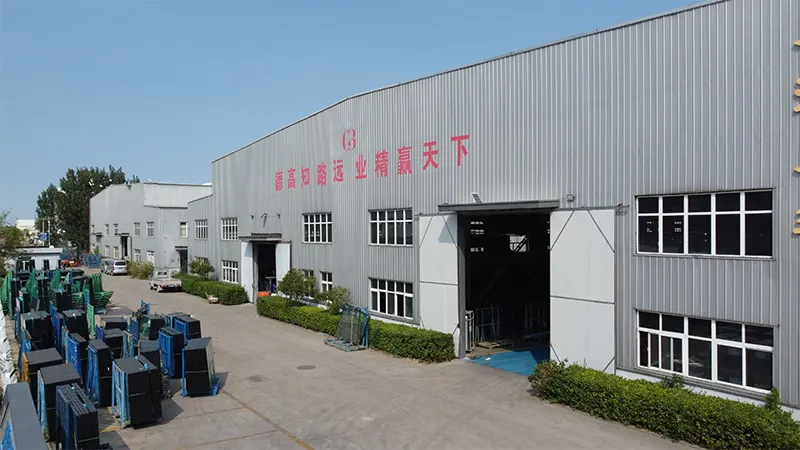
Over ten years of business continuity and accumulated experience in project cooperation: Tianbo has been deeply engaged in the deep processing of construction safety glass for more than ten years since its establishment in 2014. The factory is located in Jinghai Development Zone, Tianjin, covering an area of 30000 square meters. With long-term operation and accumulated experience in technology and order coordination, it is more suitable for construction projects that require continuous supply and batch delivery.
3C certification covers major categories, and fire prevention information can be verified accordingly: The company has fully passed the 3C safety system certification, and its main products such as tempered steel, hollow, and laminated materials have corresponding 3C certificates, and can provide fire prevention testing reports and other materials in conjunction with the project. For engineering inspection and data archiving, it is convenient for the purchaser to check in advance whether the certification scope is consistent with the order configuration.
Capacity data and equipment configuration support batch orders: tempered glass annual production capacity of 1 million square meters, insulated glass annual production capacity of 600000 square meters, laminated glass annual production capacity of 350000 square meters, with an annual output value of over 100 million yuan. The factory is equipped with horizontal tempering, bending tempering, hollow, sandwich and other equipment, and has introduced vacuum sputtering coating equipment and technology to produce LOW-E hollow glass, which can undertake multi category engineering matching.
A team of over a hundred people collaborates with multiple processes within the factory: The company currently has more than 140 employees and possesses teams for production, quality inspection, and project coordination. The cutting, edging, tempering, hollowing, and laminating processes are connected in the factory to facilitate coordinated production scheduling according to order specifications and delivery dates, reducing communication and quality fluctuations caused by outsourcing turnover.
A: Yes. It impacts shading, heat transfer and condensation resistance. Share your project requirements including orientation, climate and curtain wall details, and we will confirm the coating configuration for you.
A: Spacer bars, desiccant and double sealing structure keep the air cavity dry. Proper sealing process together with frame drainage design helps avoid fogging and condensation.
A: Customization per drawings is available. Finished insulated glass cannot be cut or drilled again. Confirm all processing requirements before production; sampling is recommended before mass order.
A: MOQ depends on glass size and configuration. Samples are available, while special samples may incur charges. Lead time is subject to production schedule after drawing confirmation.
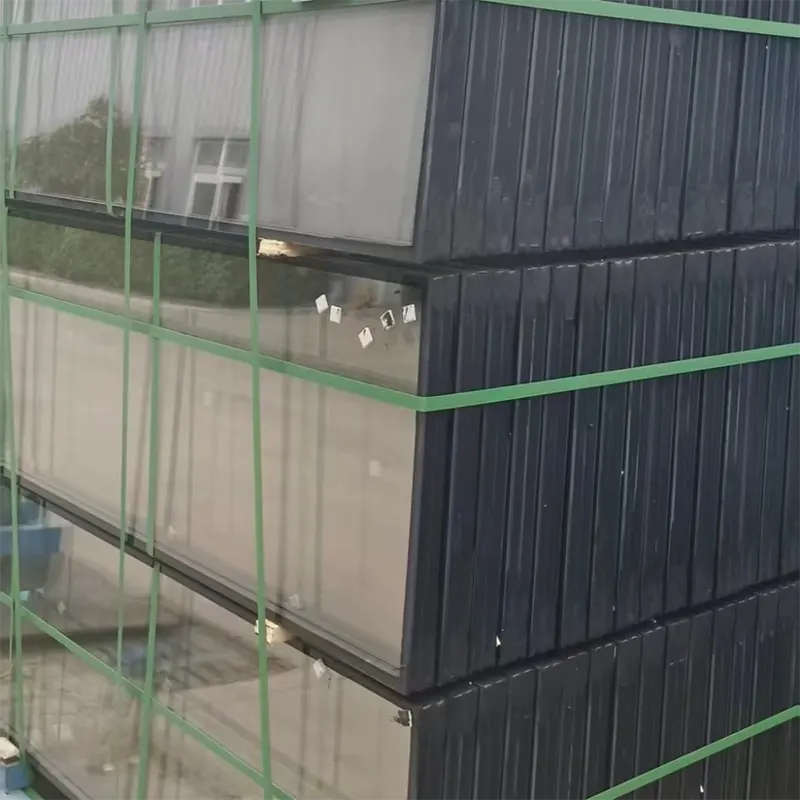
A: Protected by film, foam and wooden frames. Please inspect upon delivery. Take photos as evidence once breakage or sealing defects are found and contact us promptly.
Address
50 meters south of the intersection of Road No. 7 and Yanfeng West Road, North Zone, High-tech Industrial Park, Ziya Economic and Technological Development Zone, Tianjin, China
Tel